Neobio Review 2026: Is Neobio.ai a Legitimate AI Ecosystem or a High-Risk Investment?
In this detailed Neobio review for 2026, many people are asking: Is Neobio.ai legit? The platform presents itself as an AI-native ecosystem with tokenized rewards, tasks, and a participation economy. However, a close look reveals serious concerns about transparency, sustainability, and overall legitimacy. This review examines the ownership, compensation plan, and key risks to help you decide if it is worth your time or money.
As always, this analysis is published under Scams Radar, where we investigate emerging online earning platforms and highlight potential risks before users invest their time or funds.

Table of Contents
Part 1: What Is Neobio.ai and How Does It Claim to Work?
NeoBio positions itself as a Web3 AI ecosystem and DAO where users earn tokens through everyday activities. The core idea is simple: participation creates value. Users can post content, complete tasks, like or comment, refer friends, or stake tokens to receive rewards.
The platform uses a dual-token system:
- NBT: The main reward and circulation token.
- GDTC: Described as a value-reserve token.
Promoters claim revenue comes from advertising, AI tool marketplace fees, and transaction commissions. The official site (currently neobioai.com, not the parked neobio.ai domain) emphasizes a “closed-loop value circulation” model. In practice, rewards depend heavily on user growth and activity rather than proven external income.
1.1 Ownership and Team: Who Is Behind NeoBio?
One of the biggest concerns in this Neobio review is the complete lack of transparency about ownership and leadership.
- No named founders or executives.
- No LinkedIn profiles or verifiable team backgrounds.
- No registered company name, address, or jurisdiction.
- WHOIS data for related domains is hidden behind privacy services.
- No regulatory licenses or registrations with financial authorities.
Legitimate investment or crypto projects usually provide clear information about the people running them. The absence of any identifiable team is a major red flag and places NeoBio in the highest-risk category.
Part 2: The Compensation Plan: High Rewards, High Questions
NeoBio promotes attractive earning opportunities. Users can earn through:
- Task completion and social engagement (likes, posts, comments).
- Referral commissions.
- Staking NBT tokens with advertised yields as high as 93% APY (variable but heavily marketed).
- Holding tokens for additional rewards.
At first glance, the plan sounds appealing. However, the promised returns raise serious mathematical concerns.
2.1 Why 93% APY Is Not Sustainable
Here is a simple compounding example with a $1,000 stake at 93% annual yield:
Year | Balance |
1 | $1,930 |
2 | $3,725 |
3 | $7,189 |
5 | Approximately $26,300 |
To pay these returns without real external revenue, the platform needs constant new deposits growing at least 93% each year. This creates exponential demand that no project can maintain long-term.
2.2 Comparison of Realistic Annual Returns
Investment Type | Typical Annual Return | Risk Level | Notes |
Bank Savings/CD | 1–6% | Very Low | Government-backed |
Real Estate Rental Yield | 5–10% | Medium | Includes appreciation |
Stock Market (S&P 500) | 7–10% (long-term avg) | Medium-High | Volatile but regulated |
Legitimate Crypto Staking | 3–8% | High | Network-secured platforms |
High-Risk DeFi Lending | 10–30% | Very High | Impermanent loss possible |
NeoBio Advertised Yields | Up to 93% | Extreme | Depends on new user inflow |
Returns far above established markets almost always rely on new investor money rather than genuine profit.
Key Red Flags Identified in This Neobio Review
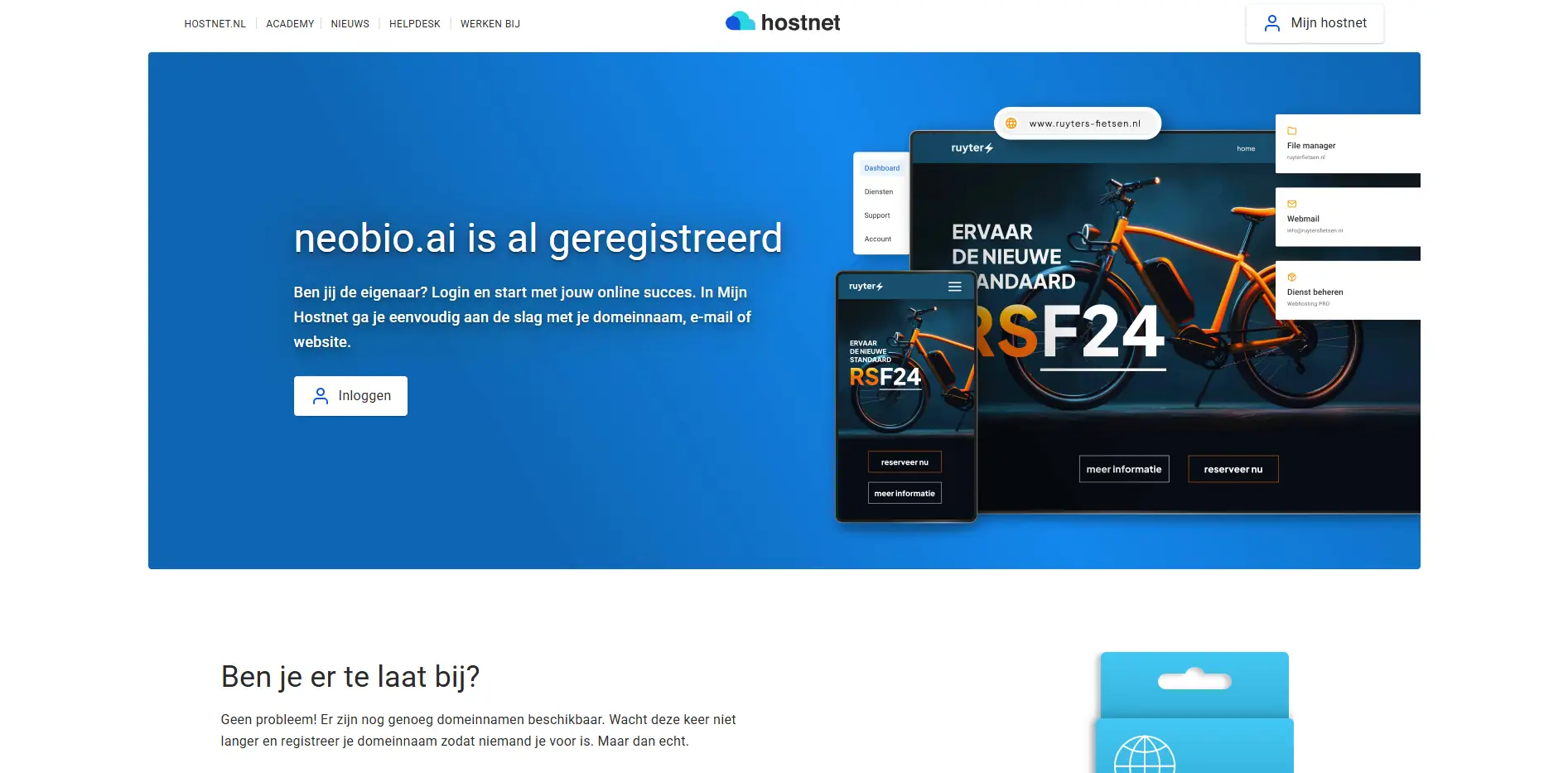
- Inactive main domain (neobio.ai shows only a parking page).
- Inconsistent branding and domain usage in promotions.
- An anonymous team with no verifiable background.
- No audits, partnerships, or independent revenue proof.
- Heavy reliance on referrals and engagement rewards.
- New project (launched around January 2026) with minimal organic traffic or reviews.
- No regulatory oversight or licensing.
These factors match patterns seen in many short-lived high-yield crypto projects.
Final Verdict: Proceed with Extreme Caution
NeoBio.ai offers an interesting concept, an AI-native ecosystem where participation earns tokens. However, the lack of transparency, anonymous ownership, and mathematically unsustainable reward structure make it a very high-risk opportunity.
For most people, the risks far outweigh any potential benefits. If you choose to explore it, only use funds you can afford to lose entirely and withdraw earnings frequently. Safer ways to gain exposure to AI and Web3 exist through regulated stocks, established crypto staking, or reputable ETFs.
Always verify claims independently and never invest based on hype alone.
Neobio Review Score
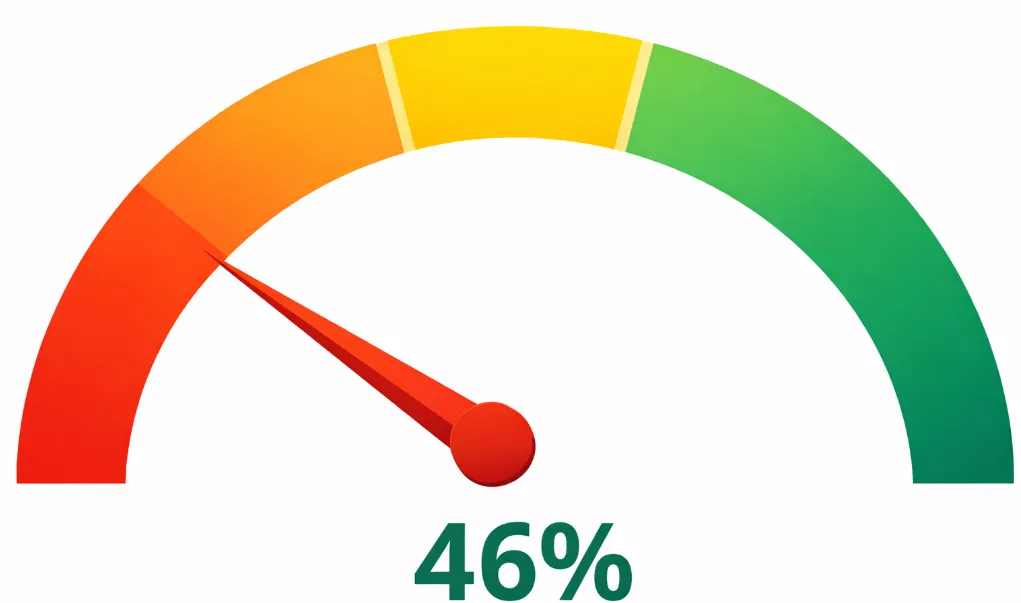
A website’s trust score is an important indicator of its reliability. Neobio currently reflects a worryingly low rating, raising serious concerns about its legitimacy. Users are strongly urged to exercise caution.
Key red flags include low web traffic, negative user feedback, potential phishing risks, undisclosed ownership, unclear hosting details, and weak SSL encryption.
With such a poor trust score, the likelihood of fraud, data breaches, or other security issues is much higher. It is crucial to carefully assess these warning signs before engaging with the Neobio or similar platforms.
Positive Highlights
- We found a valid SSL certificate
- DNSFilter labels this site as safe
Negative Highlights
- The Tranco rank (how much traffic) is rather low.
- The age of this site is (very) young.
Frequently Asked Questions Neobio Review
This section answers key questions about Neobio, providing clarity, addressing concerns, and highlighting issues related to the platform’s legitimacy.
Current evidence shows a high risk due to anonymity and unsustainable yields. No clear proof of legitimacy exists yet.
Users reportedly earn NBT tokens through social engagement and tasks, but payouts depend on platform growth.
As a new token, price information is limited and highly volatile.
The project appeared around January 2026.
Most investors should avoid it until full transparency, audits, and sustainable revenue are demonstrated.
Other Infromation:

Reviews:
There are no reviews yet. Be the first one to write one.