
Tether Defai Review 2026: A Close Look at This USDT Staking Platform
In today’s crypto world, platforms promising steady daily income from USDT staking catch a lot of attention. Tether Defai presents itself as a decentralized investment platform built on Binance Smart Chain. Users connect wallets like MetaMask, deposit USDT, and earn daily returns. This honest Tether Defai review examines how it works, its compensation plan, referral structure, ownership details, and overall risks. We break everything down clearly so you can decide if it fits your goals, following the same in-depth scam analysis standards used by Scams Radar when evaluating high-risk crypto investment platforms.
Table of Contents
Part 1: What Is Tether Defai and How Does It Work?
The platform allows anyone to stake USDT with a minimum deposit of just 1 USDT. It promises automated daily payouts over a 25-day cycle. Each day, users receive a portion labeled as “capital return” (usually 4%) plus actual profit (1% to 2%). You can withdraw daily or compound earnings to grow faster.
The site mentions smart contracts and audits, but real activity appears limited. Live feeds often show very small or repetitive deposits, and user counters stay low. Payments happen only in USDT on BSC – quick but irreversible.
1.1 Tether Defai Compensation Plan: Daily ROI Breakdown
The core appeal is the tiered daily ROI structure. Higher deposits unlock better rates. Here is the complete plan:
Min Deposit (USDT) | Daily Capital Return | Daily ROI | Total Daily Return |
1 – 499 | 4% | 1% | 5% |
500 – 999 | 4% | 1.25% | 5.25% |
1,000 – 2,499 | 4% | 1.5% | 5.5% (Popular) |
2,500 – 4,999 | 4% | 1.75% | 5.75% |
5,000+ | 4% | 2% | 6% |
After 25 days, the 4% daily capital portion adds up to return your full principal. The extra ROI becomes profit. Many users choose compounding for faster growth.
Part 2: Referral Program and Leadership Rewards Explained
A big part of the model is network building. It uses a 20-level unilevel structure. You earn commissions when people you refer (and their referrals) deposit or compound.
Referral commissions total up to 14.50%:
Level | Commission |
1 | 1.50% |
2 | 1.25% |
3-10 | 1.00% each |
11-15 | 0.50% each |
16-20 | 0.25% each |
Leadership ranks (7 levels) add override bonuses based on team size. To unlock deeper levels, you need a certain number of direct referrals. Registration requires a sponsor link – common in network-marketing setups.
2.1 Ownership and Team Transparency
No names, photos, or backgrounds of founders appear anywhere. The site mentions origins in Hong Kong and “proven leadership,” but nothing verifiable exists. The domain registered in November 2025 uses privacy protection. No company name, address, or legal entity is listed.
The smart contract address (visible on BSC explorers) has renounced ownership – marketed as safe, but it does not prove legitimacy. On-chain deployer wallet and admin fees go to anonymous addresses.
2.2 Smart Contract Audit and Security Check
The platform references audits from HazeCrypto and SolidityScan. These confirm basic code function, but note payouts depend entirely on contract balance. No external trading or yield generation happens inside the contract. BSCScan shows warnings from third-party tools about pyramid-like characteristics.
Part 3: Why Daily ROI Raises Questions: Simple Math
Daily rates of 5-6% sound attractive, but let’s look at the numbers.
Starting with $1,000 at 5.5% compounded daily:
- Day 10 → ~$1,708
- Day 20 → ~$2,917
- Day 30 → ~$4,983
At 6% daily, growth becomes even steeper. Annualized, this equals thousands of percent – far beyond any sustainable investment.
Investment Type | Typical Annual Return | Risk Level |
Tether Defai (claimed, compounded) | >7,000% | Extremely high, depends on new deposits |
Legitimate DeFi staking (Aave, Compound) | 2-15% | Market and contract risks |
High-yield savings accounts | 4-5% | Very low (often insured) |
Stock market average | 7-10% | Market volatility |
Sustainable yields come from real activity like lending or fees. Here, payouts rely on incoming funds.
Red Flags and Risk Analysis
Several points stand out:
- Anonymous operators and hidden domain ownership
- Guaranteed high daily returns with no clear profit source
- Heavy focus on recruitment and multi-level commissions
- Third-party trust scores very low (ScamAdviser, Gridinsoft, etc.)
- Limited support – mainly Telegram channels
- No principal withdrawal function in some contract readings
- Promotion mainly through affiliate networks targeting passive income seekers
Early payouts may happen to build trust, but history shows similar models eventually slow or stop withdrawals.
Final Thoughts: Is Tether Defai Legit or Not?
Tether Defai offers an attractive daily income plan with USDT compounding and referral earnings. However, the lack of transparency, unsustainable math, and multiple risk warnings make it high-risk. Most independent checks point to characteristics shared by short-lived programs.
If you consider any high-yield platform, start small, understand the mechanics, and never invest more than you can lose. Established DeFi protocols with clear audits and real yield sources remain safer choices for passive income.
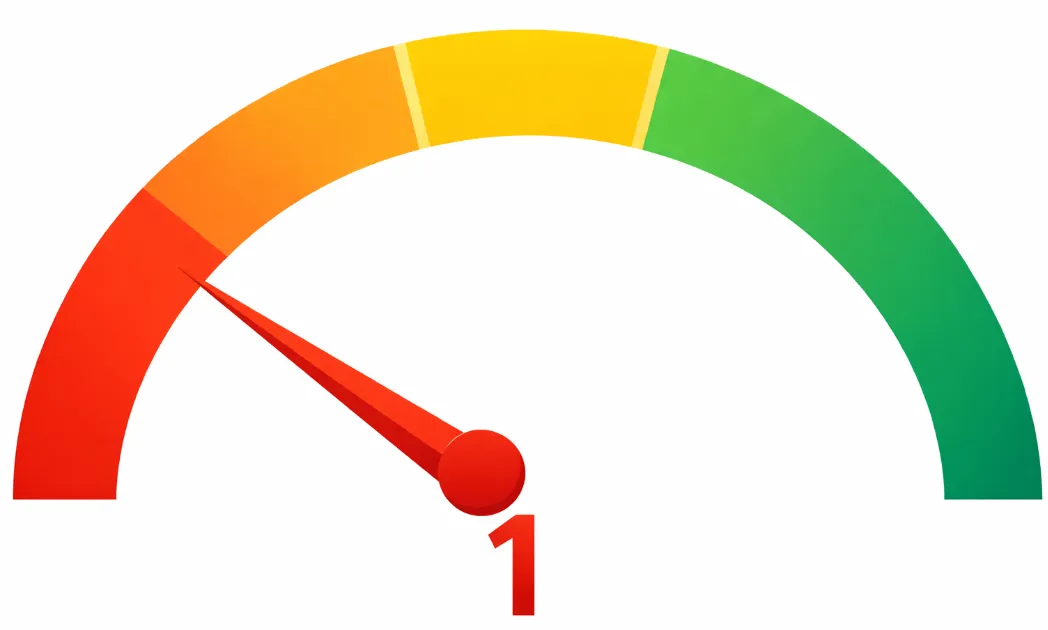
Tether Defai Review Score
A website’s trust score is an important indicator of its reliability. Tether Defai currently reflects a worryingly low rating, raising serious concerns about its legitimacy. Users are strongly urged to exercise caution.
Key red flags include low web traffic, negative user feedback, potential phishing risks, undisclosed ownership, unclear hosting details, and weak SSL encryption.
With such a poor trust score, the likelihood of fraud, data breaches, or other security issues is much higher. It is crucial to carefully assess these warning signs before engaging with the Tether Defai or similar platforms.
Positive Highlights
- We found a valid SSL certificate
- DNSFilter labels this site as safe
Negative Highlights
- The Tranco rank (how much traffic) is rather low.
- The age of this site is (very) young.
Frequently Asked Questions Tether Defai Review
This section answers key questions about the Tether Defai, providing clarity, addressing concerns, and highlighting issues related to the platform’s legitimacy.
Current evidence shows strong Ponzi-like traits, though some early users may receive payments.
Just 1 USDT to start.
Daily claims are advertised, but depend on contract balance.
Yes, but referral income forms a large part of the marketed potential.
Similar platforms typically run months, not years, once growth slows.
Other Infromation:

Reviews:
There are no reviews yet. Be the first one to write one.