
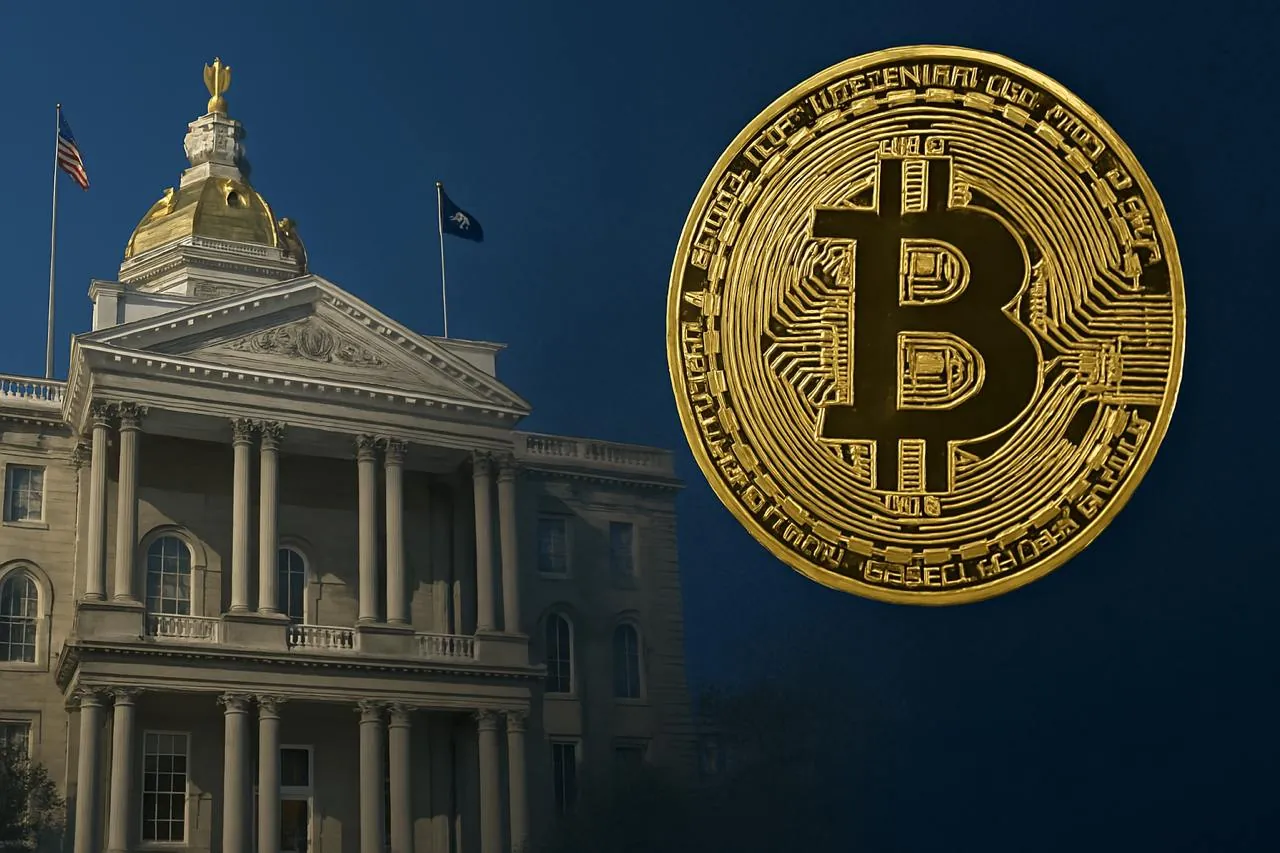
On October 14, 2025, the U.S. Department of Justice (DOJ) announced the seizure of 127,271 BTC, valued at approximately $15 billion, from Chen Zhi, the founder of Cambodia’s Prince Holding Group, marking the largest cryptocurrency forfeiture in U.S. history. This action brings the U.S. government’s total Bitcoin holdings to over 325,000 BTC, worth more than $37 billion at current prices, surpassing major corporate holders like MicroStrategy (which holds around 252,220 BTC as of Q3 2025). The seized assets stem from an alleged international “pig butchering” scam network operating forced-labor compounds in Cambodia, defrauding victims across 30+ countries through fake crypto investment schemes. Chen Zhi, a former Chinese national who renounced his citizenship, faces charges of wire fraud and money laundering conspiracy and remains at large in Cambodia.
The DOJ’s National Security Division and U.S. Attorney’s Office for the Eastern District of New York filed a civil forfeiture complaint, alleging Prince Group used over 100 shell companies to launder billions from scams, including real estate, banking, and Bitcoin mining ventures like Warp Data Technology Lao Sole Co. in Laos. The network, designated a transnational criminal organization by the Treasury Department, involved human trafficking, torture, and extortion, with bribes to officials shielding operations. Parallel sanctions targeted 146 entities, including Huione Group, severing them from the U.S. financial system. This seizure, the largest ever by the DOJ, highlights intensified U.S. efforts against crypto-enabled crime, with Elliptic analysis tracing the BTC to stolen funds from Chinese and Iranian mining operations.
President Donald Trump’s March 2025 Executive Order established a Strategic Bitcoin Reserve, suspending sales of seized BTC and reclassifying it as a long-term asset, a stark reversal from the U.S. Marshals Service’s routine auctions. Prior to this seizure, U.S. holdings stood at 197,354 BTC (~$22 billion), making the government the world’s largest non-corporate BTC holder. Treasury Secretary Scott Bessent has explored budget-neutral expansion methods, such as reallocating gold certificates or tariff revenues, positioning BTC as a hedge against inflation and dollar devaluation. X discussions, including from @tylerknooxxx and @drs_cott34, speculate this bolsters the reserve amid global tensions.
With U.S. holdings now ~0.15% of BTC’s 21M supply, monitor DOJ auctions (suspended) and Treasury reports on treasury.gov. BTC support at $112,000 and resistance at $120,000 are key; dollar-cost average with stop-losses below support, per TradingView. Diversify into ETH ($4,070) or USDC for stability. Follow @TheBlock__ on X for updates. This reserve could anchor BTC as a global hedge, but geopolitical risks loom, per Forbes analysis.