
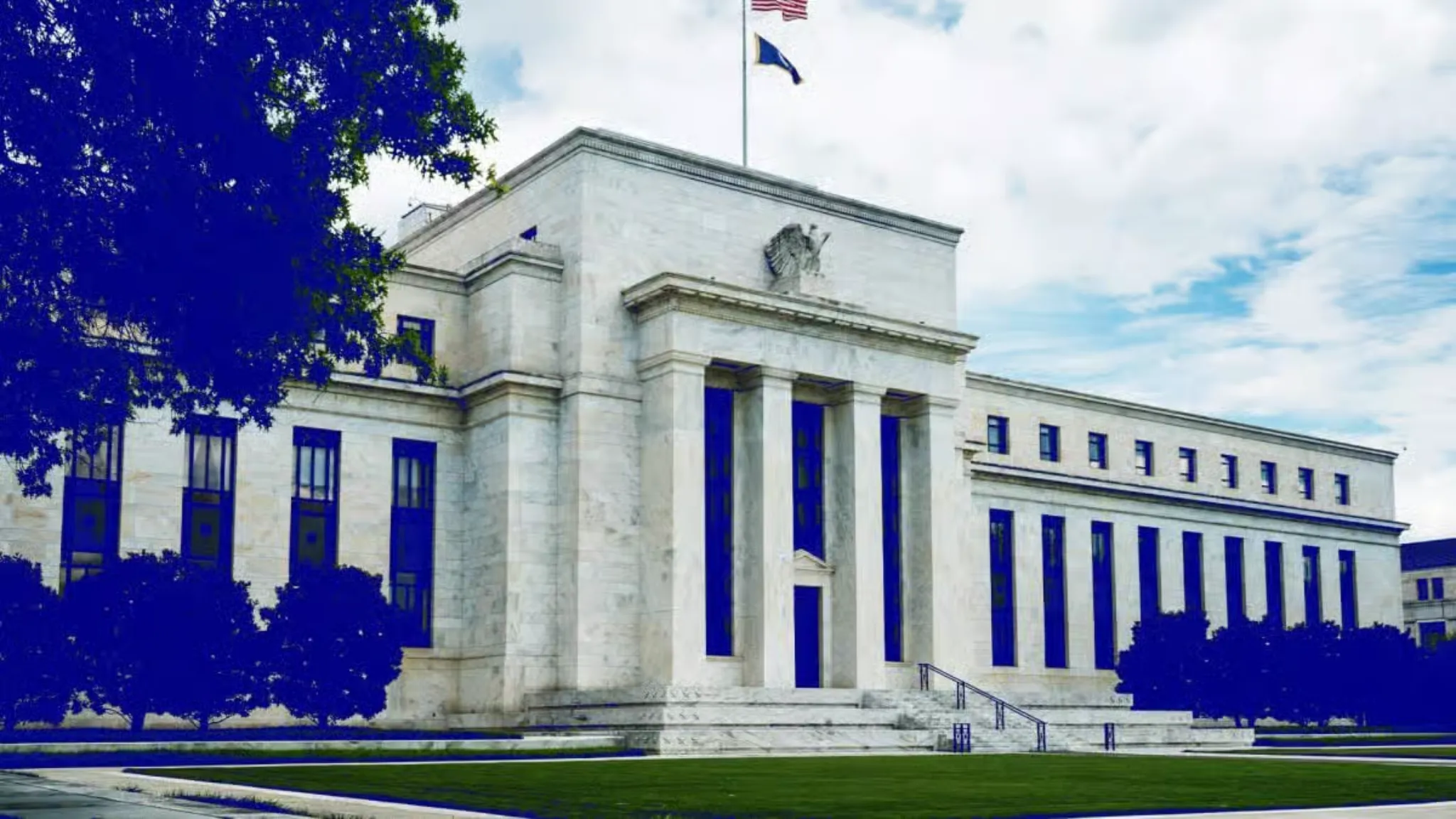
The Federal Reserve’s proposed “skinny master account,” introduced in late 2025, offers nontraditional institutions limited access to central bank payment services without interest on balances or discount window borrowing, The Block on February 6, 2026. Nearly 30 comment letters, due February 6, reflect divided opinions between crypto banks seeking inclusion and community banks fearing systemic risks. Fed Governor Christopher Waller’s October 2025 idea addresses evolving innovations while mitigating exposure. This tiered approach could reshape digital asset integration into the U.S. payment system.
Anchorage Digital Bank, the first federally chartered crypto bank, supported the proposal but urged the removal of the $500 million or 10% of assets overnight balance cap, arguing it reintroduces credit and operational risks the account aims to eliminate. The Blockchain Payment Consortium, backed by Solana Foundation and Sui Foundation, called the initiative “overdue,” linking it to the GENIUS Act’s stablecoin framework, emphasizing stablecoins and blockchains as welcomed innovations. X posts from @BlockchainAssoc praise the potential for institutional custody and the growth of prediction markets.
The Colorado Bankers Association and Community Bankers Association of Illinois expressed concerns, arguing that master accounts should remain limited to insured, low-risk institutions with decades of oversight. They warned that novel financial institutions lack robust compliance and could gain unfair advantages, risking consumers, the financial system, and taxpayers. This highlights tensions between traditional finance and crypto’s rapid evolution, with community banks fearing competitive erosion.
The skinny master account could accelerate institutional adoption of stablecoins and DeFi, aligning with the GENIUS Act’s federal stablecoin rules. Investors should monitor Fed updates on federalreserve.gov and SEC filings on sec.gov. Bitcoin (BTC) ($113,234) and Ethereum (ETH) ($4,070) remain stable, according to CoinMarketCap, but clarity could drive BTC to $150,000 by 2026, according to Techopedia. Follow @TheBlock__ on X for real-time insights. The proposal balances innovation with risk management, potentially setting a precedent for crypto integration by late 2026.