
Fed Proposes Permanent Removal of 'Reputation Risk' from Bank Supervision
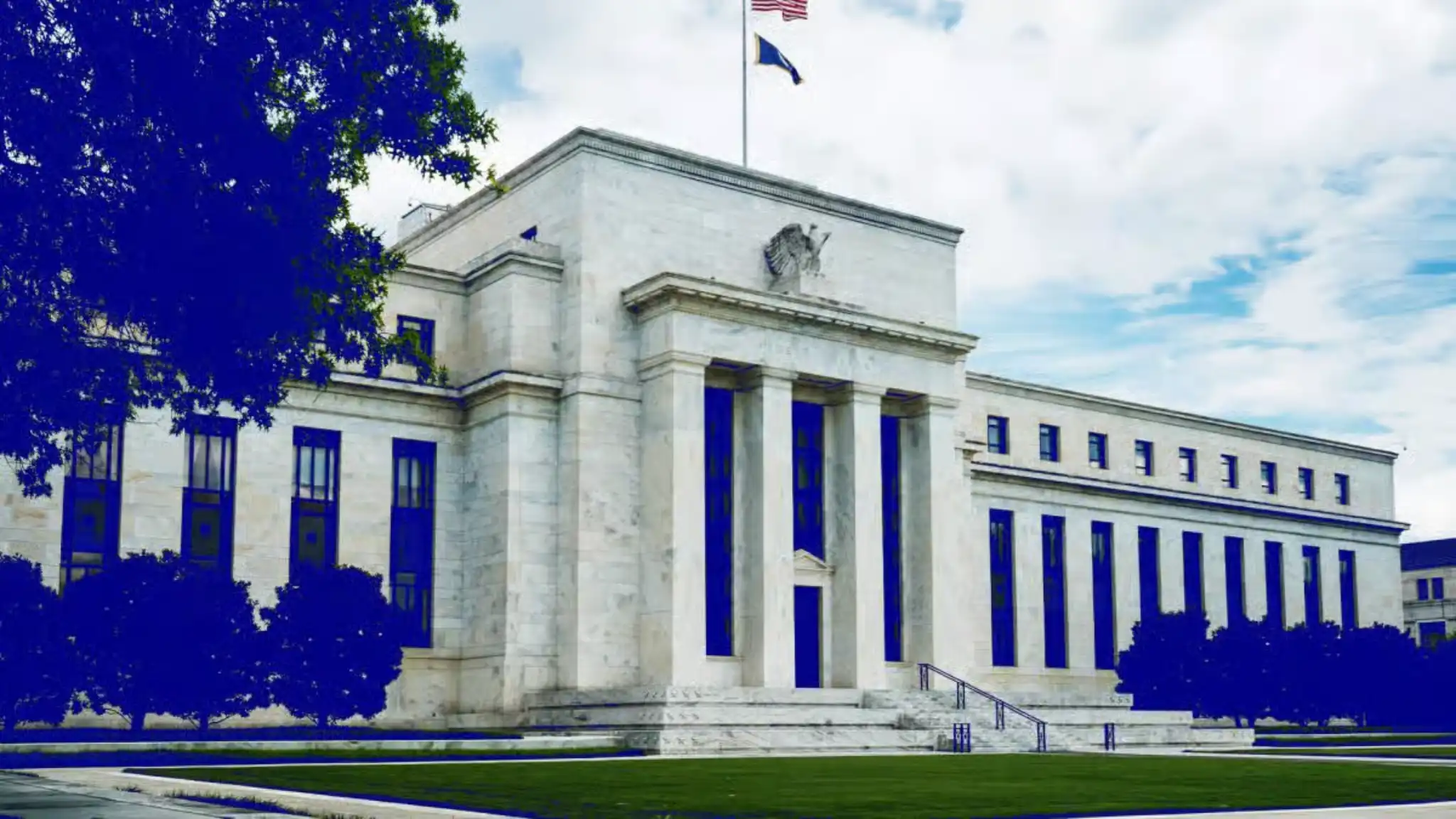
On February 24, 2026, the Federal Reserve opened a 60-day public comment period on a proposal to formally remove “reputation risk” from its bank supervisory framework, per The Block. The move codifies a June 2025 clarification that reputation risk would no longer influence examination programs, ensuring supervisory decisions focus solely on material financial risks rather than subjective concerns about a customer’s industry or political views.
Vice Chair for Supervision Michelle W. Bowman stated:
“We have heard troubling cases of debanking — where supervisors use concerns about reputation risk to pressure financial institutions to debank customers because of their political views, religious beliefs, or involvement in disfavored but lawful businesses. Such discrimination does not have a role in the Federal Reserve’s supervisory framework.”
Strong Support from Crypto Advocates
Senator Cynthia Lummis (R-WY) welcomed the proposal, posting on X:
“It’s not the Fed’s role to play both judge and jury for banking digital asset companies. Glad to see this important step to permanently remove ‘reputation risk’ from Fed policy and put Operation Chokepoint 2.0 to rest so America can become the digital asset capital of the world.”
The Senate Banking Committee GOP account echoed this sentiment:
“No American should lose access to banking services because of their political views, faith, or lawful business. This is a major step toward ending debanking.”
The term “Operation Chokepoint 2.0” — coined by crypto executives and some lawmakers — refers to perceived coordinated regulatory pressure discouraging banks from serving digital asset firms.
Political and Legal Backdrop
The proposal arrives amid heightened scrutiny of debanking practices:
- President Trump filed a $5 billion lawsuit against JPMorgan Chase in January 2026, alleging the bank closed his accounts for political reasons following the January 6, 2021, Capitol events.
- JPMorgan acknowledged in a recent court filing that it closed several Trump accounts in February 2021, though it maintains the lawsuit lacks merit, per CNBC.
The Fed’s action aligns with broader efforts to eliminate perceived political or ideological bias from banking supervision, particularly for lawful but controversial sectors like cryptocurrency.
Implications for Crypto and Banking
- Positive for crypto firms: Removal of reputation risk as a supervisory factor could reduce debanking pressure on digital asset companies, exchanges, and stablecoin issuers.
- Broader impact: The policy applies to all lawful businesses facing reputational scrutiny (e.g., firearms, adult entertainment, political organizations).
- No immediate market reaction: Bitcoin traded near $113,000 and Ethereum near $4,070 with minimal movement following the announcement, per CoinMarketCap.
What Happens Next?
- Public comment period: Ends ~60 days after publication in the Federal Register (likely mid-April 2026).
- Final rule: Expected later in 2026 if no major opposition emerges.
- Potential precedent: Could influence other federal regulators (OCC, FDIC) and state-level banking oversight.
Investors and crypto businesses should monitor the comment period and submit feedback via the Federal Register process. The proposal represents one of the most concrete federal steps yet toward reducing perceived regulatory bias against digital assets.