Ordinary People AI Review 2026: A Close Look at This Personal Growth Platform
In early 2026, many people searched for reliable ways to build skills in communication, leadership, and AI. Ordinary People AI positions itself as a helpful tool in this space. This Ordinary People AI review by Scams Radar pulls together current details to give a clear picture of what the platform offers and where questions remain.

Table of Contents
Part 1: What Ordinary People AI Claims to Offer
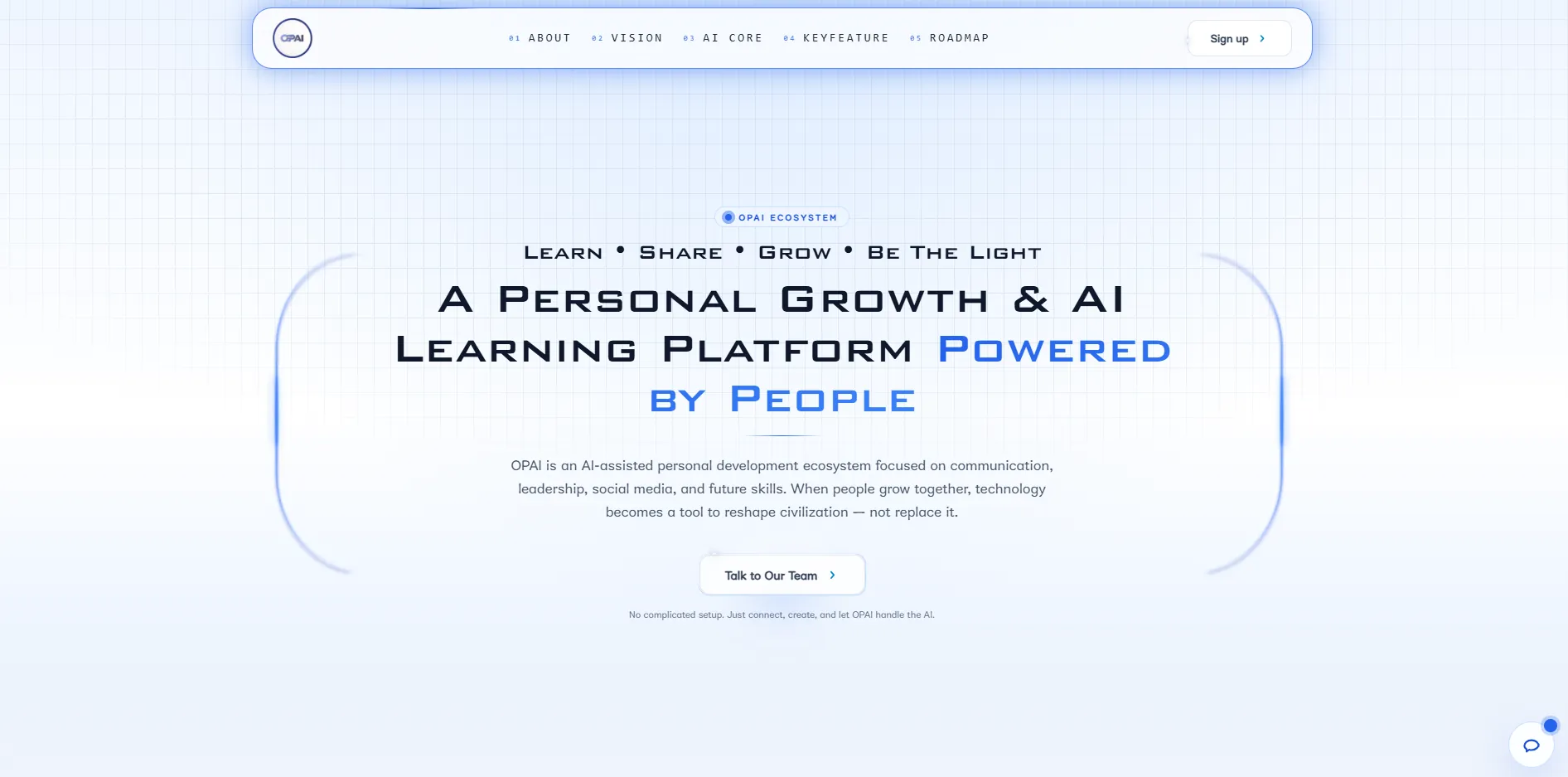
The platform describes itself as an AI-assisted ecosystem for personal development. It focuses on practical learning without overload. Core areas include communication, leadership, social media skills, and understanding AI.
Key features stand out:
- Human-first approach – Technology supports growth but does not replace people.
- Focused modules – Short, usable lessons on real-life skills.
- Ethical focus – Clear guidance on responsible AI use.
- Community support – Tools for collaboration and shared progress.
The site outlines eight connected modules:
Module Name | Main Focus | What It Covers |
Start – Educare | Foundational learning | Communication, leadership basics, AI literacy |
Build – OpNeur | Entrepreneurship | Idea structuring, project building |
Trust – OpTrust | Ethical decisions | Long-term trust and responsibility |
Engage – OpGame | Gamified paths | Consistency through purpose |
Future – OpChain | Blockchain basics | Digital ownership and transparency |
Optimize – OpSmart | Productivity tools | Automation of routine tasks |
Measure – OpQuant | Data feedback | Tracking what works |
Explore – OPX | Experiments | New ideas and prototypes |
A roadmap shows planned growth:
Year | Target Milestone | Description |
2026 | 1,000 voices | Early adopters trained in AI literacy |
2027 | 5,000 voices | Creators shaping healthier digital spaces |
2028 | 10,000 voices | Communities focused on growth |
2029 | 50,000 voices | Global network of empathetic AI users |
No pricing, subscription details, or payment options appear on the main page. Registration and login happen through a separate user portal.
1.1 Ownership and Team Background
Transparency matters when choosing any online platform. Here, details are limited.
- No names of founders, executives, or team members are listed.
- No company address, registration number, or jurisdiction is shown.
- A “Talk to Our Team” option exists, but no direct contacts appear.
The domain was registered in late 2025. Ownership records stay private. Legitimate education platforms often share leadership info to build trust. The absence here leaves questions unanswered.
Part 2: Compensation Plan and Business Model
Users often ask about earnings or affiliate programs. The main site shows none.
- No compensation plan, referral commissions, or business opportunity is mentioned.
- No NFT packages, token staking, or return promises appear.
- The user portal offers login, but no visible registration fields or sponsor codes in public view.
Some external videos and social posts talk about “business plans.” These seem to come from individual promoters, not the official site. The platform itself stays focused on learning, not income.
2.1 User Experience and Accessibility
The main site loads quickly and feels modern. Content reads clearly with a calm tone. No aggressive sales language shows up.
The separate user portal handles accounts. Public access works fine as of February 2026 – no errors reported recently.
Independent reviews remain scarce. No major discussions appear on common sites. Traffic seems low, typical for a newer platform.
2.2 Potential Concerns and Red Flags
Several points deserve attention:
- Lack of team or company details reduces accountability.
- Private domain ownership is common but limits verification.
- External promotions sometimes frame it as an income opportunity, creating confusion.
- No clear pricing or terms are visible upfront.
These do not prove issues, but they call for caution. Always check official sources.
Part 3: Comparison with Established Platforms
How does it stack up?
Platform | Focus | Details |
Coursera | Professional courses | High transparency, pricing visible, millions of users |
Udacity | Tech skills | High transparency, pricing visible, large community |
Khan Academy | Free education | Very high transparency, free, massive community |
Ordinary People AI | Personal growth + AI | Low transparency, pricing not shown, early stage |
Established options provide more open information from the start.
Who Might Benefit
This platform could suit beginners wanting gentle AI and skill-building content. The human-centered approach appeals to those wary of pure tech overload.
It may not fit users seeking structured certificates, large communities, or clear cost details yet.
Conclusion
Ordinary People AI presents a thoughtful approach to personal growth in the AI era. The modules and ethical focus show promise for practical learning. However, limited transparency on ownership and business details leaves room for questions.
No evidence of investment schemes or compensation plans appears on the official site. External claims should be verified carefully. For skill-building, explore the free areas first. Compare with proven platforms before committing time or money.
Always research independently and choose tools that match your goals.
Ordinary People AI Review Score
A website’s trust score is an important indicator of its reliability. Ordinary People AI currently reflects a worryingly low rating, raising serious concerns about its legitimacy. Users are strongly urged to exercise caution.
Key red flags include low web traffic, negative user feedback, potential phishing risks, undisclosed ownership, unclear hosting details, and weak SSL encryption.
With such a poor trust score, the likelihood of fraud, data breaches, or other security issues is much higher. It is crucial to carefully assess these warning signs before engaging with the Ordinary People AI or similar platforms.

Positive Highlights
- We found a valid SSL certificate
- DNSFilter labels this site as safe
Negative Highlights
- The Tranco rank (how much traffic) is rather low.
- The age of this site is (very) young.
Frequently Asked Questions Ordinary People AI Review
This section answers key questions about Ordinary People AI, providing clarity, addressing concerns, and highlighting issues related to the platform’s legitimacy.
The official site focuses on education with no financial promises. Legitimacy seems tied to learning value, but low transparency warrants caution.
Public areas offer overviews. Full modules likely require registration.
Start with the Educare module for basics in communication and AI literacy.
Yes – Coursera, LinkedIn Learning, or free resources like Khan Academy.
Pricing is not public yet, so evaluate visible content first.
Other Infromation:
Reviews:
There are no reviews yet. Be the first one to write one.