MymarketplaceReview: Ownership Background, Two-Tier Compensation Plan and Ecosystem Analysis
This mymarketplaceReview examines the platform’s ownership links, compensation structure, product categories and historical connections. The goal is to give readers clear facts on how the system works, who stands behind it and whether the numbers support long-term participation.
MyMarketPlace presents itself as a shop-and-earn marketplace that combines product sales with a two-tier affiliate program. Users can browse wellness items, merchant tools and planned services such as dating, travel and health. Independent reporting has repeatedly noted limited public disclosure of ownership and executive details. Domains linked to the project were registered privately in 2025.Scamsradar

Part : 1 Ownership and Background Profiles
Table of Contents
Public pages do not list a founder, CEO or beneficial owner in clear terms. Legal wording on the site refers to an LLC structure, while corporate records in one Canadian province show a related incorporation filed in late 2025.
Independent MLM research connects the wider Connect ecosystem—dating, health, edge merchant tools and earlier projects—to Jeff Dyck, also known as Jeff Jeffries. Dyck is a Canadian who pleaded guilty in a tax-fraud case involving One World United. Court reporting describes false invoices and improper loss claims that affected hundreds of people and millions in unpaid taxes. He received a multi-year prison sentence and later faced an increased fine on appeal.
Earlier business activity included a Las Vegas loyalty app and the Treasure Island project. Treasure Island promoted investment units tied to a planned reality-TV show and returns that some materials described as 150 percent within twelve months. Reporting at the time characterized the structure as an unregistered securities offering that raised more than two hundred thousand dollars from several hundred participants. The show itself never aired.
Brett Nicholson appears in public records as COO of Connect Social LLC, a Nevada entity that filed an SEC Form C. His background includes real-estate and building-supply work before the Treasure Island and Connect projects. Alan Holmes, Paul Bilek and Otto Knotzer surface as visible promoters of MyMarketPlace and related Connect properties. No comparable criminal convictions were located for these individuals in the reviewed material.
The pattern that emerges is a sequence of related brands rather than a single, transparent corporate entity with audited financials or clear regulatory licenses matching the scale of the claims.
1.1 MyMarketPlace.TV Compensation Plan Explained

The program operates as a two-tier unilevel affiliate system. Registration is described as free, yet product purchases are required to qualify for commissions. Reported rates are 3 percent on Level 1 (direct referrals) and 5 percent on Level 2 (indirect referrals). Some earlier promotional material referenced average figures closer to 10 percent and 5 percent; the more consistent independent reports settle on the lower pair.
Royalty pools are mentioned but lack a publicly detailed formula. Lifetime residual income is promoted on every qualifying purchase made by people in the two-level network.
1.2 Simple commission illustration
Purchase amount | Level 1 (3 %) | Level 2 (5 %) | Combined |
$199 | $5.97 | $9.95 | $15.92 |
$1,000 | $30 | $50 | $80 |
$11,635 package | $349 | $582 | $931 |
To earn one thousand dollars from Level 1 alone requires roughly thirty-three thousand dollars of qualifying direct-network volume. Level 2 needs about twenty thousand dollars of volume for the same gross commission.
Merchant packages form the higher-ticket side of the offer. Single packages start near two hundred dollars; bulk packages have been listed up to eleven thousand six hundred dollars for one hundred merchants. The company states it will assign merchants and offers a performance guarantee that explicitly excludes guaranteed commissions or end-consumer purchases.
1.3 Recruitment-growth illustration (theoretical)
Depth | New recruits if each brings 2 | Cumulative |
1 | 2 | 2 |
5 | 32 | 62 |
10 | 1,024 | 2,046 |
20 | 1,048,576 | ~2 million |
Real markets saturate long before these numbers. When growth slows, the majority of participants historically recover little or none of their outlay after product costs.
Part : 2Products, Services and Revenue Sources
The shop side features “Good Health” supplements—energy powders, cognitive and sleep strips, keto capsules, ashwagandha and similar items—priced between roughly twenty and twenty-five dollars. Manufacturer details are not clearly disclosed beyond general claims of U.S. and India origins.
Connect Edge supplies merchant-acquisition tools. Connect Dating operates as a membership dating service. Connect Health white-labels wellness products. Connect Vacations and several television projects have been listed as “coming soon.” Digital tokens and an exchange have also been referenced as future components.
Revenue can theoretically come from external retail sales, merchant fees, dating memberships and wellness purchases. The critical question is the proportion that arrives from independent customers versus affiliates buying mainly to stay qualified. No audited statements separating these sources were located.
2.1 Traffic, Perception and Technical Notes
Public traffic indexes show limited independent data for a site of this age. Promotional video views remain in the low hundreds to low thousands. Social posts are largely repetitive referral messages. Independent commentary is dominated by critical analysis; positive material comes almost exclusively from affiliates.
Technical setup uses standard Cloudflare infrastructure and HTTPS. These features are common and do not by themselves confirm or refute business legitimacy.
2.2 Key Risk Factors in Plain Terms
- Ownership remains opaque on public pages.
- The central figure linked by independent research has a documented tax-fraud conviction and earlier projects that did not deliver promised media or investment outcomes.
- Commission qualification requires product purchases.
- High-ticket merchant packages rely on the company’s ability to source and retain real merchants at scale.
- Promotional income illustrations depend on continuous network expansion that faces natural limits.
- Audited financials, clear beneficial-owner disclosures and independent retail-volume data are absent from public sources.
2.3 Comparison With Conventional Benchmarks
Bank high-yield savings and short-term Treasuries have recently offered low-to-mid single-digit annual yields with far lower operational risk. Diversified real-estate vehicles historically deliver mid-single to low-double-digit returns after costs, with liquidity and market risk. Regulated crypto staking yields vary but carry principal volatility. Network-marketing models that lean heavily on participant purchases routinely show the majority of participants earning little after expenses once recruitment plateaus.
Practical Recommendations
Treat promotional residual-income examples as marketing illustrations, not forecasts. Verify corporate records, payment-entity names and refund terms before any purchase. If already involved, document all transactions and pause further outlays until independent confirmation of external retail volume is available. Prefer platforms that publish audited sales figures, clear ownership and regulatory registrations matching their claims.
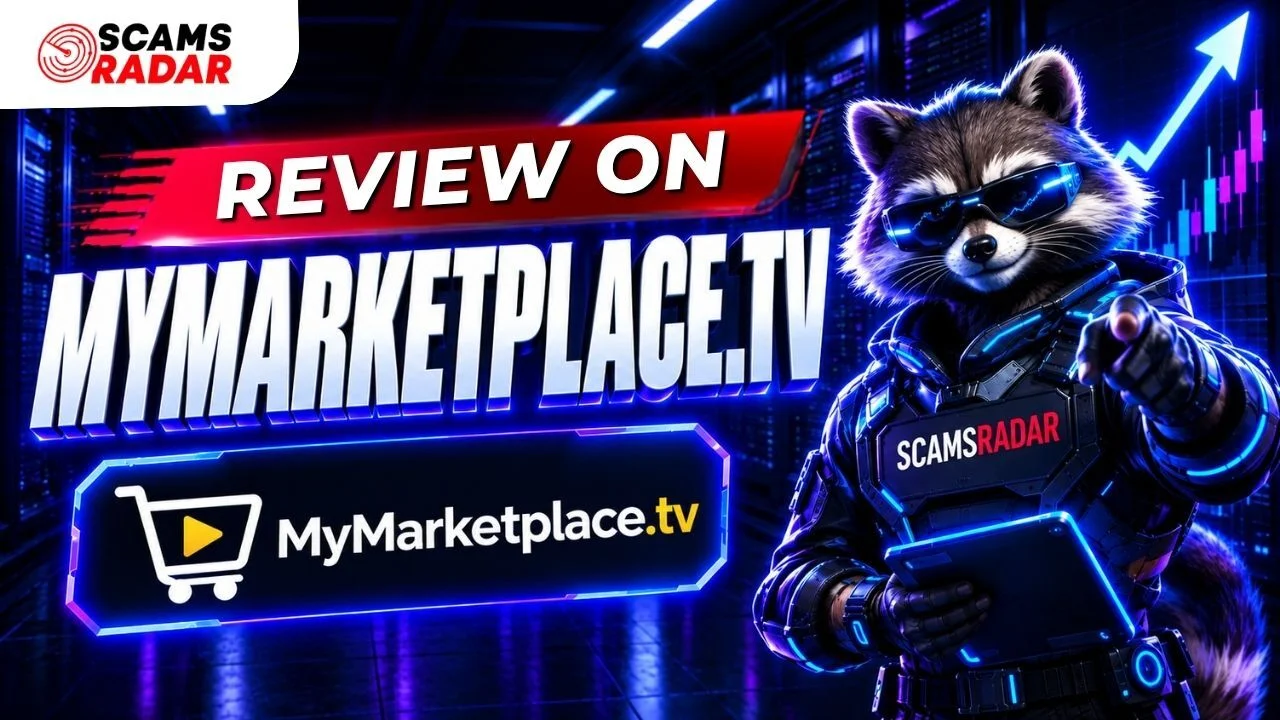
Mymarketplace Review
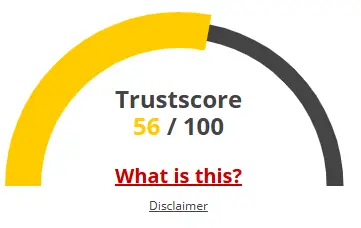
A website’s trust score is an important indicator of its Mymarketplace icludes low web traffic, negative user feedback, potential phishing risks, undisclosed ownership, unclear hosting details, and weak SSL encryption.
With such a poor trust score, the likelihood of fraud, data breaches, or other security issues is much higher. It is crucial to carefully assess these warning signs before engaging with Mymarketplace Similar platform.
Positive Highlights
- We found a valid SSL certificate
- DNSFilter labels this site as safe
Negative Highlights
- The Tranco rank (how much traffic) is rather low.
- The age of this site is (very) young.
Frequently Asked Questions About Mymarketplace
This section answers key questions about Mymarketplaceconcerns, and highlights issues related to the platform’s legitimacy.
MyMarketPlace is an online marketplace and affiliate platform offering various products and services.
Its legitimacy should be assessed by reviewing its ownership, business model, and compensation structure.
The platform uses affiliate and network-marketing strategies where commissions may depend on referrals and sales.
Earnings may be possible, but income is not guaranteed and depends on sales and commissions.
No. MyMarketPlace Review and Everstead Review concern different platforms.
Other Infromation:
WHOIS data : Hidden
Owner : REDACTED FOR PRIVACY
Country: US
WHOIS Registration Date :2025-04-09
WHOIS Last Update:2026-04-15
WHOIS Renew Date:2027-04-09
Website: Mymarketplace
Title :Mymarketplace
Reviews:
There are no reviews yet. Be the first one to write one.