
My-CBP.site Review: Ownership Details, Compensation Structure, and Risk Factors
This My-CBP.site Review examines the platform linked to ClickBaitPays. The site operates as a paid-to-click advertising system using cryptocurrency. It is not connected to the official U.S. Customs and Border Protection or any government Trusted Traveler Programs. Official services appear only on .gov domains. Users searching for CBP login portal, Global Entry application, or DHS Trusted Traveler information should avoid third-party pages that mimic those names.
The platform asks users to deposit crypto, buy ad campaign packages, view short ads daily, and collect rewards. This My-CBP.site Review gathers ownership background, the full compensation plan, mathematical checks, and public signals so readers can judge the setup for themselves. scamradar

Table of Contents
Part : 1 Ownership and Background of the Operators
Dennis Gerron is named as the founder in promotional material. His background includes social work, rehabilitation, and human services. He is also linked to the International Coalition for Economic Development. Public pages list a Panama address on Avenida La Rotonda in Costa del Este. Family members appear in some admin videos.
The main domains are young. One registered in late February 2026 and another in early April 2026. WHOIS records are privacy-protected. Hosting uses Cloudflare. No public records show securities licensing or investment-firm registration. Payments run only through crypto processors. The Panama base sits in a jurisdiction with lighter crypto oversight.
Independent checks find no clear corporate registration number, verified directors list, or audited ownership structure tied to the domains. A founder name is public, yet full beneficial ownership remains hard to confirm from open sources. That gap matters when people send crypto.
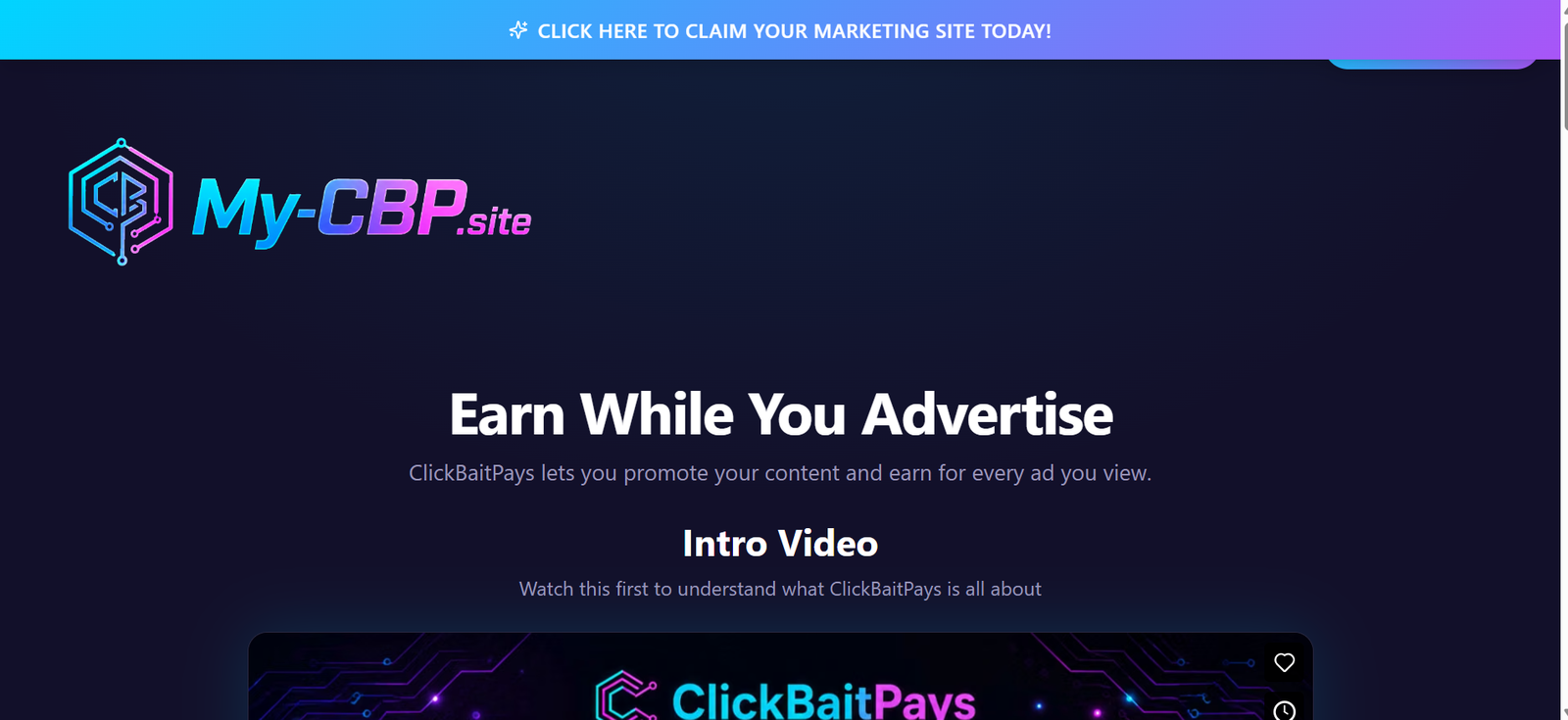
1.1 Complete Compensation Plan Explained Simply
Users create an account, deposit crypto, and buy a campaign level plus a one-time activation fee for the first purchase at that level. They then click a set number of short ads each day for 12 active days. A hold period follows, often about seven days, for a full cycle near 19 days.
Earnings equal 90 percent of the stated cost-per-click times the required clicks. A 10 percent referral commission goes to the direct sponsor on the referral’s click earnings and lands in the available balance right away. External withdrawals carry a 10 percent fee. Accounts face a limit of about three active campaigns and restrictions on household accounts.
Approximate Level 1 figures from official-style examples:
- Outlay near 14 USDT (13 for the campaign plus 1 activation).
- Three ads per day at 0.48 USDT each.
- Rough earnings of 17 USDT over the cycle.
- Net gain framed around 3 USDT before the withdrawal fee.
Higher levels scale the same pattern. Level 7 examples list a campaign near 2,400 USDT plus a 240 USDT first-time activation. Users click 20 ads daily for 12 days (240 clicks total). Advertised earnings reach about 3,240 USDT.
Here is a clear table of the published levels:
Level | Campaign + Activation | Daily Clicks | Advertised Earnings |
1 | ~14 USDT | 3 | ~17 USDT |
2 | ~84 USDT | 3 | ~102 USDT |
3 | ~165 USDT | 3 | ~194 USDT |
4 | ~330 USDT | 5 | ~389 USDT |
5 | ~660 USDT | 6 | ~778 USDT |
6 | ~1,320 USDT | 10 | ~1,555 USDT |
7 | ~2,640 USDT | 20 | ~3,240 USDT |
After the first activation, a recurring Level 7 campaign costs about 2,400 USDT and is said to return 3,240 USDT. That creates an 840 USDT difference, or 35 percent, before referral commissions and costs. A 10 percent referral on 3,240 USDT adds another 324 USDT liability. Even after a 10 percent withdrawal fee the gap remains.
Promoters often show repeated cycles and monthly projections that assume continuous repurchase. Referral income amplifies the numbers for those who recruit.
1.2 Why the Numbers Raise Questions
Ordinary advertising networks pay fractions of a cent to a few cents per view or click for most traffic. The published Level 7 reward equals roughly 13.50 USDT per click. That figure sits far above typical rates. The campaign buyer effectively pays about 10 USDT per click while the viewer is credited higher.
If many participants buy packages mainly to earn the rewards rather than to buy real advertising, the money moves in a circle. New deposits and reinvestments then become the main source of payouts. Classic paid-to-click and high-yield programs have followed the same pattern. Early users may receive funds while growth continues. When new money slows, pressure appears.
Simple annualized math shows the scale. A 20-plus percent return every 19 days compounds to several hundred percent or more per year if repeated without break. Real-world bank savings, certificates of deposit, long-term real estate, and lower-risk crypto yields sit in the low single digits to low double digits annually. The gap is large.
No audited statements, independent advertiser volume reports, or third-party revenue verification appear in public sources. The platform points to advertising fees, activation fees, withdrawal fees, other products, and money velocity. Velocity moves existing balances; it does not create new external value.
Part : 2 Traffic, Public Signals, and Security Snapshot
Independent traffic tools show limited measurable visits. Promotion relies on YouTube videos, Telegram groups, affiliate landing pages, and social posts. Some user reviews report received payouts and responsive support. Others mention account issues or community friction. Automated scanners often give low-to-medium trust scores. Common flags include young domain age, privacy-protected WHOIS, and elevated risk labels. SSL certificates are present, which is standard even for high-risk sites. Crypto transfers are irreversible.
2.1 Red Flags in Plain Terms
- Extremely young domains combined with fast promotional push.
- High effective returns tied to member activity and referrals.
- Offshore address, privacy-protected ownership, and crypto-only payments.
- Hold periods, withdrawal fees, and account limits common in similar programs.
- Heavy focus on recruitment for larger earnings.
- Historical founder material that references an earlier paid-to-click framework later examined by regulators.
- Lack of independently verified external advertising revenue sufficient to cover the published rewards at scale.
These points do not equal a legal finding of fraud. They do create high due-diligence risk.
2.2 Comparison With Everyday Benchmarks
Bank and savings products usually offer low single-digit annual percentages. Long-term real estate averages often fall in the 8–12 percent range including rent and appreciation, with high variation by market. Legitimate crypto yields in lower-risk products stay in single digits to low double digits and still carry risk. None of those vehicles promise fixed cycle returns of the size shown in the campaign tables while relying mainly on participant purchases.
Final Assessment and Practical Advice
This My-CBP.site Review finds a functioning website with published rules, a named founder, and reports of some completed withdrawals. At the same time the ownership transparency is limited, the domains are new, the published campaign math creates a clear funding gap that external revenue must fill, and independent proof of that revenue at the required scale is missing. The combination places the program in the high-risk speculative category rather than a conventional savings, investment, or passive-income product.
People who still choose to test it should use only money they can lose completely, start small, withdraw rather than reinvest balances, keep records, and verify every step themselves. Prefer regulated platforms, diversified index funds, or verified advertising networks if the goal is steady income.
My-cbp. Review
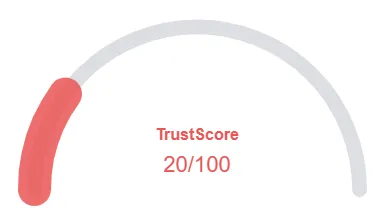
A website’s trust score is an important indicator of its reliability My-cbp. includes low web traffic, negative user feedback, potential phishing risks, undisclosed ownership, unclear hosting details, and weak SSL encryption.
With such a poor trust score, the likelihood of fraud, data breaches, or other security issues is much higher. It is crucial to carefully assess these warning signs before engaging with a My-cbp.Similar platform.
Positive Highlights
- We found a valid SSL certificate
- DNSFilter labels this site as safe
Negative Highlights
- The Tranco rank (how much traffic) is rather low.
- The age of this site is (very) young.
Frequently Asked Questions About My-cbp
This section answers key questions about My-cbp clarifies points, addresses concerns, and highlights issues related to the platform’s legitimacy.
Its transparency raises several concerns.
It appears to use an investment-based model.
Potential losses and withdrawal risks exist.
Unusually high returns should be treated cautiously.
An Everstead Review can help compare their risks.
Other Infromation:
WHOIS Registration Date:2026-07-17
WHOIS Last Update:2026-07-22
WHOIS Renew Date: 2027-07-17
Website:My-cbp
Reviews:
There are no reviews yet. Be the first one to write one.