msseonReview: Full Look at Ownership, Compensation Plan and Risks in 2026
This msseonReview examines the platform linked to Million Securities, its ownership records, compensation structure and regulatory status. Readers seeking clear facts on whether the operation is safe will find the key details below. The review draws only from public filings, regulator alerts and independent investigations available as of September 2026.
The domain was registered on 28 November 2025. Ownership details remain hidden behind privacy protection. Hosting points to infrastructure often used by short-lived sites. These facts alone raise basic due-diligence questions for any investment claim. Scams radar
Part 1: Ownership and Background Details
Table of Contents
Public records connect the name Million Securities Ltd to one individual. An SEC Form D filed on 3 August 2026 lists Anthony Philip Martinez as Director and Executive Officer. The filing gives a Denver, Colorado address and describes a proposed offering of up to 100 million dollars in equity and pooled investment-fund interests. At the time of filing the amount sold was recorded as zero.
A later Form ADV also carries Martinez’s signature as director. Separate corporate records link a person of the same name to a California entity formed in 2025. No verified chain of ultimate beneficial ownership has been published. Therefore the safest statement is that Martinez appears as the named director and executive officer on the filings, not that he has been proven the sole owner.
No reliable public record reviewed for this msseonReview shows that the same individual previously ran a convicted Ponzi or MLM scheme. Claims of earlier criminal history lack matching identity evidence and are not repeated here.
Matthew Harris appears in promotional training material as a “Senior Regional Mentor.” No SEC or corporate filing establishes him as a director, shareholder or officer. He is therefore described only as a promoter named in third-party material.
1.1 Regulatory Status and Licence Position
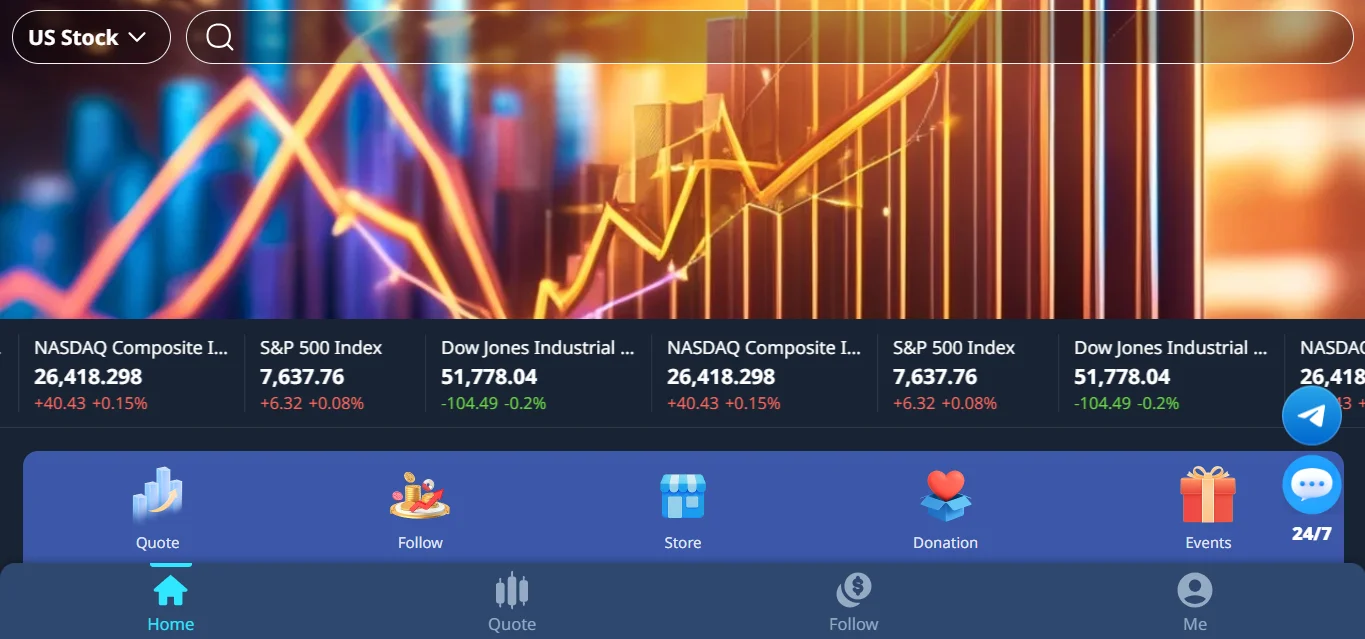
Australia’s official investor-alert list, maintained through ASIC and MoneySmart, names MSS and the related domain as unlicensed. The entry is dated 20 July 2026. The warning states the entity is not authorised to offer financial products or services to retail investors in Australia.
An SEC Exempt Reporting Adviser (ERA) record also exists. The SEC itself states that an ERA is not a registered investment adviser. On 27 August 2026 the SEC issued a specific investor alert warning that scammers sometimes misuse ERA filings to create a false appearance of legitimacy. Form D is a notice filing only; the SEC does not review it for accuracy or completeness and does not approve the offering.
No evidence of an Australian Financial Services licence, BaFin authorisation or equivalent retail licence appears in the public record.
1.2 Compensation Plan Explained in Simple Terms
Independent MLM research documents the following investment and commission structure. Packages are reported in USDT and range from 500 to 50 000 USDT. There is no conventional retail product sold to outside customers. Earnings are tied to new investor deposits and downline investment.
Direct referral commissions
New deposit (USDT) | Commission paid (USDT) | Approximate rate |
500 | 30 | 6 % |
1 000 | 80 | 8 % |
5 000 | 500 | 10 % |
10 000 | 1 200 | 12 % |
30 000 | 3 600 | 12 % |
50 000 | 6 000 | 12 % |
A single 50 000 USDT recruitment therefore generates a 6 000 USDT direct commission.
Residual commissions
0.5 % is paid on downline promoters holding less than 5 000 USDT.
1 % is paid on downline promoters holding more than 5 000 USDT.
Payments are calculated monthly on active investment amounts.
Manager ranks and one-time bonuses
Rank | Approximate requirement | Reported bonus (USDT) |
Manager Trainee | 3 promoter investors | 100 |
Manager Level 1 | 5–25 | 200 |
Manager Level 2 | 26–75 | 500 |
Manager Level 3 | 76–200 | 1 000 |
Manager Level 4 | 201–350 | 1 500 |
Manager Level 5 | 351–750 | 3 000 |
Manager Level 6 | 751–1 500 | 5 000 |
Manager Level 7 | 1 501–3 000 | 10 000 |
Manager Level 8 | 3 001–6 000 | 30 000 |
Higher levels | 6 000+ plus lower managers | up to 50 000 |
Manager Level 2 and above are also reported to receive a 500 USDT monthly “health benefit,” described by investigators as a cash payment rather than insurance.
The structure is recruitment-and-downline based. It does not match a classic binary left/right leg plan or a fixed matrix. Higher ranks require more promoters and more invested capital under the recruiter.
Part 2: Why the Numbers Matter
Suppose 100 people each deposit 50 000 USDT. Total capital equals 5 million USDT. At the 12 % referral rate the system would already pay 600 000 USDT in direct commissions. Residual payments, rank bonuses and any promised investor returns sit on top of that figure. Operating costs, payment fees and possible trading losses add further pressure.
Promotional material circulating in the wider network has mentioned daily percentage returns. Even a modest 1 % compounded daily multiplies capital by roughly 37 times in a year. No regulated asset class—bank deposits, stock indices or property—delivers that result consistently and without risk. Legitimate long-term averages sit in the low-to-mid single digits or low double digits at best.
The economic question therefore remains simple: where does the money come from that must cover commissions, bonuses and investor returns? Independently audited trading records, custodial statements and verified profit-and-loss figures would answer that question. Those records have not been published.
2.1 Security, Traffic and Public Signals
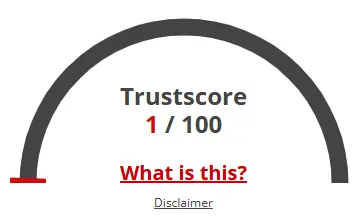
Automated reputation tools give the domain very low scores. One widely used scanner lists a trust score of 0 and notes the young age, hidden ownership and neighbouring suspicious sites. Another records a 3/100 score and external warnings from two security providers. Traffic rankings are extremely low, consistent with limited organic visibility.
Multiple related domains registered around the same period have been identified by independent researchers. The pattern of short-lived, privacy-protected sites is common among high-risk investment operations.
Customer-support channels rely mainly on internal chat or messaging apps. No independently verified physical address or transparent principal contact appears on the public site.
Practical Recommendations
Anyone who has not yet deposited money should treat the opportunity as high-risk and unverified. Anyone who has already transferred funds should stop further payments at once, keep complete records of every transaction and message, and contact their bank or exchange promptly. Report the matter to the local financial regulator and, where relevant, to ASIC’s investor-alert channels.
MSSEON Review
A website’s trust score is an important indicator of its MSSEON icludes low web traffic, negative user feedback, potential phishing risks, undisclosed ownership, unclear hosting details, and weak SSL encryption.
With such a poor trust score, the likelihood of fraud, data breaches, or other security issues is much higher. It is crucial to carefully assess these warning signs before engaging with MSSEON Similar platform.
Positive Highlights
- We found a valid SSL certificate
- DNSFilter labels this site as safe
Negative Highlights
- The Tranco rank (how much traffic) is rather low.
- The age of this site is (very) young.
Frequently Asked Questions About MSSEON
This section answers key questions about MSSEON concerns, and highlights issues related to the platform’s legitimacy.
MSSEON’s legitimacy should be carefully verified before investing.
Review its investment, referral, and withdrawal structure carefully.
Risks may include unclear ownership, high-return claims, and withdrawal issues.
An Everstead Review examines MSSEON’s claims, risks, and business model.
Check its registration, ownership, regulations, reviews, and withdrawal history.
Other Infromation:
WHOIS data : Hidden
Owner : REDACTED FOR PRIVACY
Country: HK
WHOIS Registration Date :2025-11-28
WHOIS Last Update:2025-11-28
WHOIS Renew Date: 2026-11-28
Website: MSSEON
Title :MSSEON
Reviews:
There are no reviews yet. Be the first one to write one.