
Scams Radar

The Ultimate 7-Point DeFi Security Checklist for 2025

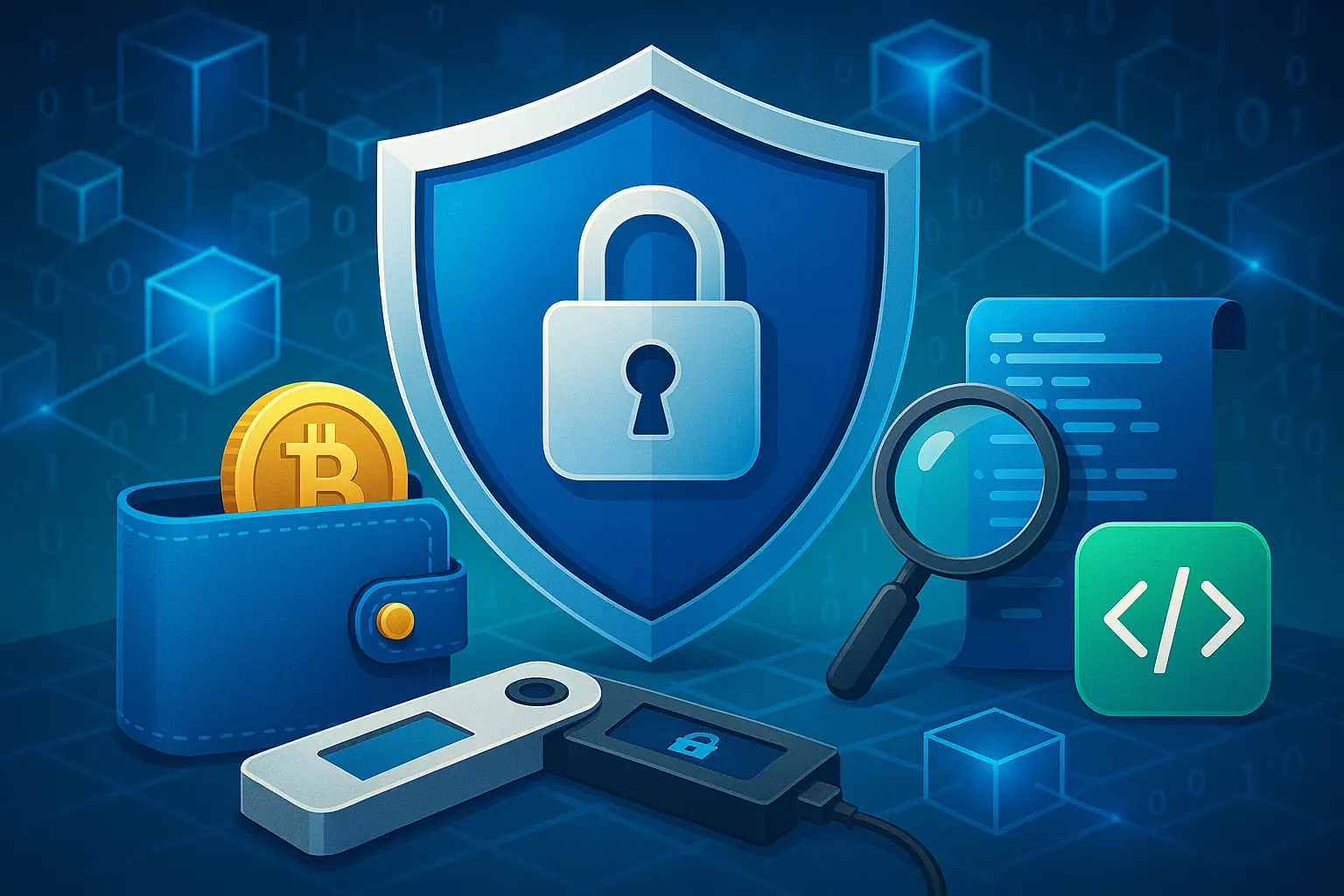
DeFi Security Checklist 2025 showing wallet safety, smart contract audits, and blockchain security tools

In 2025, DeFi has matured with $167B in TVL and institutional inflows, but exploits caused $449M in private key losses alone last year, per. High-net-worth investors must treat their wallets like a bank vault. This 7-point checklist combines self-custody, protocol vetting, and operational security to protect your assets.

Tier 1: Self-Custody Foundations

Cold Storage with Hardware Wallets

  1. Use Ledger or Trezor for offline key storage. Never expose private keys to the internet. Reserve hot wallets for small amounts only. Back up seed phrases on metal plates for fire/water resistance.

Multi-Signature Wallets for Large Holdings

  1. Adopt 2-of-3 or 3-of-5 setups via Gnosis Safe or Fireblocks. Distribute keys geographically to eliminate single points of failure.

Tier 2: Protocol and Smart Contract Due Diligence

Demand Top-Tier Audits

  1. Only engage protocols audited by ConsenSys Diligence, Quantstamp, PeckShield, or Certik. Verify full resolution of critical findings and 90%+ code coverage.

Understand Key Attack Vectors

  1. Watch for reentrancy (use CEI pattern), oracle manipulation (prefer Chainlink), and access control flaws. Avoid projects with centralized admins.

Tier 3: Operational Security and Fraud Prevention

Eliminate Permission Creep

  1. Regularly revoke unused approvals via revoke.cash or Etherscan Token Approvals. Forgotten allowances are silent backdoors.

Enterprise-Grade OpSec Practices

  1. Use dedicated devices for crypto, hardware 2FA (YubiKey), VPNs on public networks, and unique passwords via managers. Never mix crypto with daily browsing.

Spot Scams Early

  1. Red flags: anonymous teams, unrealistic APYs, unlocked liquidity, aggressive FOMO marketing. Cross-check on RugDoc or TokenSniffer.

Quick FAQ for DeFi Security

  • Hot vs. Cold Wallet: Cold keeps keys offline; hot exposes them online.
  • Multi-Sig Superiority: Removes single failure points; requires multiple approvals.
  • Audit Verification: Check auditor reputation and resolution of high-severity issues.
  • Permission Creep: Accumulated dApp approvals; revoke unused ones routinely.
  • Top Attack Vector: Private key theft ($449M losses in 2024).
  • Seed in Password Manager: No—keep it offline only.
  • Oracles’ Role: Decentralized oracles (e.g., Chainlink) prevent price manipulation.

Final Thoughts

DeFi offers freedom, but you are your own bank. Follow this checklist to minimize risks. With $167B locked and growing institutional interest, secure practices are non-negotiable.
Reviews:

Leave Your Review Here:

Scams Radar disclaimer highlighting educational purpose, no financial guarantees, risk warnings, and independent opinions.