Brand Savage Review: Ownership Background and Full Compensation Plan Details
This brandsavageReview examines Brand Savage as a branding services company with a network marketing side. The focus stays on owners Bob and Kristie Reina, their backgrounds, and the complete compensation plan. Readers get clear facts on packages, binary pay, and risk points in plain language.
Brand Savage sells branding credits for logos, full identities, social graphics, merch, signage, and more. One credit equals one dollar. Packages range from $99 to $5,000. The company also runs a promoter plan with commissions tied to sales volume. It is not a fixed-return investment. Income depends on package sales and team activity.Scamsradar
Part : 1 Owners and Background
Table of Contents
Bob and Kristie Reina own Brand Savage. Bob has long experience in network marketing. Earlier ventures include Travel Reaction around 2001 and Cash Card Worldwide around 2005. Both are no longer active.
His best-known prior company is Talk Fusion, started in 2007. It sold video communication packages through an MLM structure. Talk Fusion faced civil lawsuits. One 2015 case by Dennis Gray alleged pyramid-style operations and weak retail demand. Other suits involved former top affiliates. Cases were dismissed or settled without criminal convictions against Bob Reina. Later, Truth in Advertising noted atypical income claims at Talk Fusion. Bob also founded QuiAri, a wellness MLM that drew compliance review over earnings statements.
Kristie Reina co-owns Brand Savage and appears with Bob in earlier Talk Fusion materials. No criminal convictions appear in available records for either founder. Brand Savage publicly frames them as industry veterans offering design services. Domain brandsavage.com registered March 26, 2023, privately. The LLC and global launch came later, with the official opportunity launch on September 16, 2026.
Several early promoters have prior links to Talk Fusion or related companies. Names reported in launch coverage include Minh Ho, Julie Campagna, Jimmy Ezzell, Gregory Hayden, and Leanne Hollinshead. Some previously faced or settled disputes with Talk Fusion and later returned to promotion. Jimmy Ezzell also led earlier projects that reported losses or collapsed. These histories form part of the public record around the new company.
1.1 Brand Savage Pricing and Credit Packages
Customers buy credits in set packages. Higher packages add bonus credits and open higher commission rates for promoters.
Package | Price | Credits (approx.) |
Basic | $99 | 99 |
Starter | $249 | 259 |
Executive | $499 | 524 |
Elite | $749 | 799 |
Pro | $1,299 | 1,324–1,424 |
Premium | $2,500 | 2,800 |
Supreme | $5,000 | 5,750 |
Credits cover logos, brand kits, social assets, packaging, apparel, signage, and related work. The company claims about 72-hour delivery, unlimited revisions, and full copyright. A $29 promoter enrollment fee exists separately. Promoters gain access to commissions. Higher package levels unlock higher residual rates and weekly caps.
1.2 Complete Brand Savage Compensation Plan
The plan mixes direct commissions, binary residuals, matching bonuses, rank awards, lifestyle payments, and two pools. Total commissions and bonuses are capped at 50 percent of company sales volume. If calculated payouts exceed the cap, amounts adjust proportionally.
Direct commissions sit near 20 percent of package price:
Package Sale | Direct Commission |
$99 | $20 |
$249 | $50 |
$499 | $100 |
$749 | $150 |
$1,299 | $250 |
$2,500 | $500 |
$5,000 | $1,000 |
Binary residuals form the core. Each promoter builds a left leg and right leg. Matching 100 sales volume on both sides creates one cycle. Payout per cycle and weekly caps rise with package level:
Package | Pay per 100/100 Cycle | Weekly Cap |
Basic | $5 | $100 |
Starter | $10 | $250 |
Executive | $15 | $1,000 |
Elite | $15 | $2,500 |
Pro | $20 | $10,000 |
Premium | $25 | $25,000 |
Supreme | $25 | $50,000 |
A $50,000 weekly maximum requires 2,000 cycles at the top rate. That equals 200,000 sales volume matched on each side. Volume comes mainly from package purchases by the promoter or downline.
Matching bonuses pay 10–25 percent on residual earnings of the first two levels, depending on rank or package. Rank achievement bonuses range from $250 to $8,000 at higher titles. Lifestyle bonuses run $500–$2,500 monthly for qualified ranks. A Global Bonus Pool and a Founder’s Pool each take 2 percent of relevant volume and share among qualified higher ranks. Incentive trips and recognition rings complete the structure. The company promotes 1-second pay via e-wallet, Visa debit, or crypto once a $20 threshold is met.
No monthly subscription is required after the $29 enrollment. Volume does not flush according to company statements. Earnings still scale with personal package size and team sales volume. Higher potential links directly to larger personal outlay.
Part : 2 Key Numbers and Sustainability Notes
Binary systems grow exponentially in theory. Level 10 holds over 1,000 positions if filled perfectly. Real markets limit growth by demand, retention, and competition. Independent analyses note that most participants in binary MLMs do not recover their costs. The 50 percent commission ceiling leaves the other half for design work, technology, support, processing fees, taxes, and operations. Exact retail-versus-promoter volume share is not published. That split decides whether the model rests on external customers needing design work or on internal package purchases for qualification.
2.1 Pros and Cons in Plain Terms
Pros include an active Florida LLC, named owners, listed phone and email support, published terms, and actual design services rather than pure deposit-and-wait claims. Security scans show valid SSL and Cloudflare hosting with no major malware flags. Low traffic is expected for a September 2026 launch.
Cons center on short history, package-linked earning power, large volume needed for high ranks, non-refundable credits, and founder/promoter records in prior MLMs. Income claims of up to $50,000 per week are plan maximums, not typical results. Design authenticity claims of 100 percent human work face independent challenge; the dispute remains open without a formal audit. Public reviews are mostly promotional so far.
Brandsavage Review
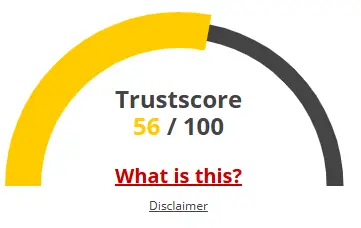
A website’s trust score is an important indicator of its Brandsavage icludes low web traffic, negative user feedback, potential phishing risks, undisclosed ownership, unclear hosting details, and weak SSL encryption.
With such a poor trust score, the likelihood of fraud, data breaches, or other security issues is much higher. It is crucial to carefully assess these warning signs before engaging with Brandsavage Similar platform.
Positive Highlights
- We found a valid SSL certificate
- DNSFilter labels this site as safe
Negative Highlights
- The Tranco rank (how much traffic) is rather low.
- The age of this site is (very) young.
Frequently Asked Questions About Brandsavage
This section answers key questions about Brandsavage concerns, and highlights issues related to the platform’s legitimacy.
Brand Savage appears to operate as a branding services and network-marketing business, but investors should independently verify its claims.
Its network-marketing model uses commissions and incentives tied to product sales and team activity.
Brand Savage offers branding and design services, including logos, brand identities, marketing materials, packaging, and related creative services.
Potential earnings depend on actual product sales and recruitment; income claims should be checked against verifiable sales and expenses.
No clear connection should be assumed between Everstead and Brand Savage without independent evidence confirming a relationship.
Other Infromation:
WHOIS data : Hidden
Owner : REDACTED FOR PRIVACY
Country: US
WHOIS Registration Date :2023-03-26
WHOIS Last Update:2026-04-28
WHOIS Renew Date:2028-03-26
Website: Brandsavage
Title : Brandsavage
Reviews:
There are no reviews yet. Be the first one to write one.