BloomxchainReview: A Clear Look at BloomXChain Risks, Owners, and Compensation
This bloomxchainReview examines BloomXChain (BMXC), a project presented as an AI-native Layer-1 blockchain. The review draws together public details on its claims, associated people, referral activity, token data, and regulatory signals. Readers seeking straightforward facts will find the key points below. The project remains high-risk due to limited transparency and thin market evidence. Scams radar
Part: 1 What BloomXChain Claims to Be
Table of Contents
BloomXChain describes itself as a next-generation Layer-1 network. It combines Proof of Work, Delegated Proof of Stake, and a proprietary Proof of Economy (PoE) system. AI scores validators. Real-world economic activity supposedly drives block production. The site lists quantum-safe cryptography, ISO 20022 readiness, real-world asset support, and high performance figures.
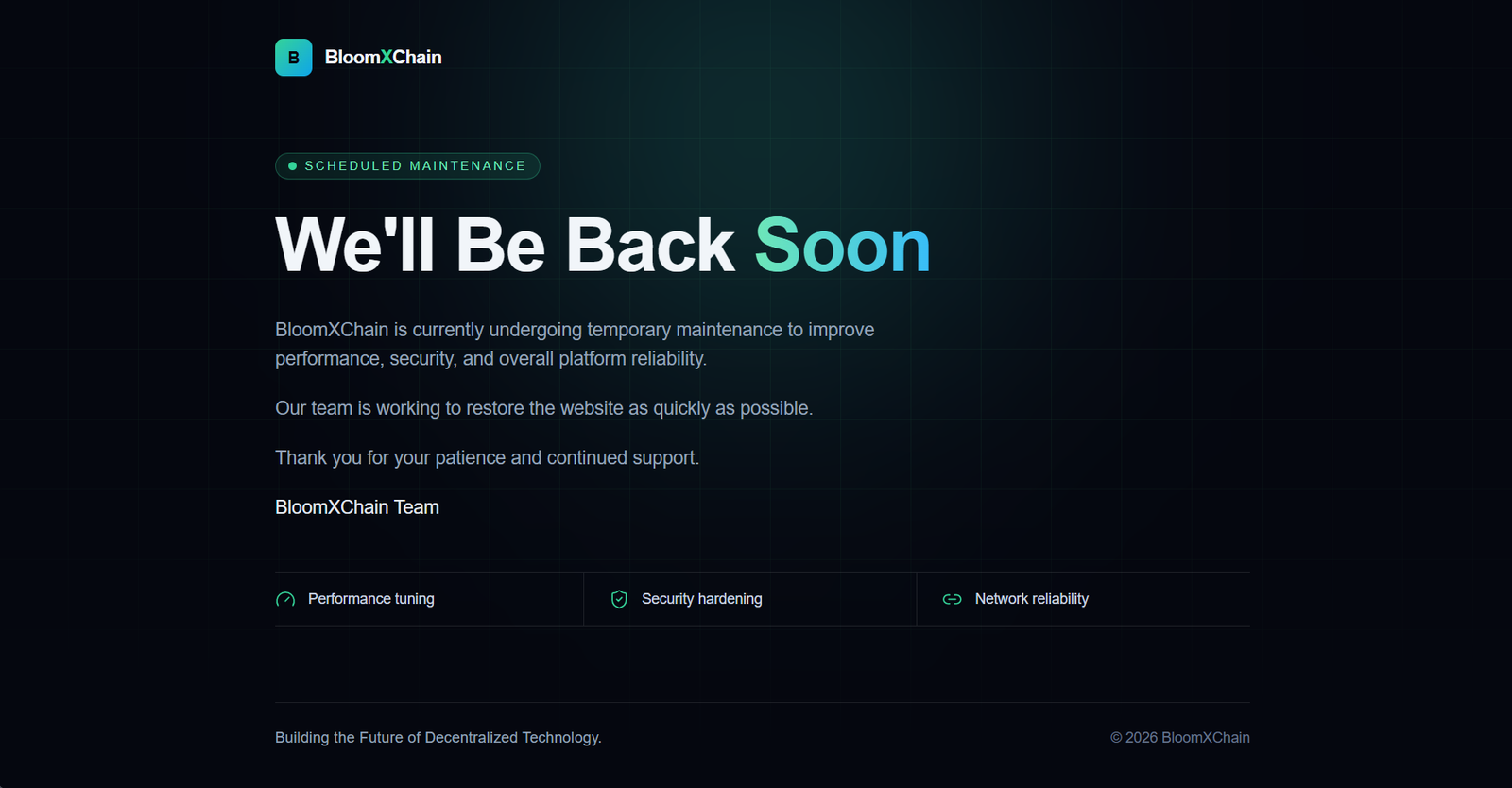
Those performance numbers appear as illustrative testnet data only. The site itself notes there is no live mainnet. Fixed token supply sits near 995 million BMXC. Promotional material has mentioned early pricing near $0.25 and future Tier-1 exchange listings. Self-reported pilots in supply chain and energy efficiency lack independent confirmation.
A Solana token matching the name and approximate supply exists. It shows roughly 231 holders and very low activity. This footprint does not match the scale of an institutional-grade Layer-1.
1.1 Associated People and Ownership Transparency
Public profiles link a few individuals to the project. Zeeshan Ashrafi Naqshbandi appears in LinkedIn-style listings tied to BloomXChain experience, with India location and blockchain or AI interests. Some references describe him as chairman or CEO. Independent confirmation of legal ownership, founder status, or controlling shareholding remains limited. Education claims such as Harvard appear on profiles but lack independent verification of specific programs.
Somesh Chauhann is listed in some business profiles as founder, focused on blockchain, Proof of Economy, and fintech. Again, clear corporate registration, beneficial ownership documents, or regulatory filings that firmly establish control are not readily available in public records reviewed.
Shahzad Hassan, based in Islamabad, has publicly stated that his team handled website development, referral-system implementation, presale smart-contract work, Solana contract work, and integration around May–June 2025. This supports the existence of technical and referral infrastructure. It does not establish him as owner or principal decision-maker. His broader profile centers on marketing, lead generation, and development services.
WHOIS data for the project domain is privacy-protected. No clearly verified company registration, audited financials, or full leadership bios with strong third-party corroboration stand out. Ownership transparency is therefore weak. Investors cannot easily confirm who ultimately controls the project or its tokens.
1.2 Compensation Plan and Referral Mechanics
BloomXChain has used referral infrastructure. A developer who worked on the site confirms implementation of a referral system alongside the presale contract. Older promotional language referenced referral programs, rewards, giftbacks, and offers such as a “Fortune Club.”
Exact structure details remain unclear. Public evidence does not confirm a full binary, unilevel, or matrix plan with specific percentages, paid levels, rank requirements, weaker-leg rules, matching bonuses, or spillover. The safest statement is that referral-based acquisition and rewards exist, yet the complete compensation document is not independently verified in detail.
Related branding under “BloomX” names has appeared with high daily ROI claims elsewhere (for example, 0.5 percent daily with dynamic caps and multi-stream payouts). Those structures raise classic sustainability questions. Compound returns of even 0.5 percent daily annualize to several hundred percent before fees. Sustaining such figures requires continuous new capital or exceptional real revenue that rarely materializes at scale.
Any referral rewards ultimately need a clear funding source. Legitimate affiliate programs pay from product or service revenue. Models that lean heavily on new participant purchases risk becoming dependent on continuous inflows. The project has not published independently audited figures showing external revenue versus participant payouts and commissions.
Part: 2 Token Data, Liquidity, and Valuation Reality
Multiple BMXC token footprints appear across networks. An Ethereum ERC-20 version and a Solana version exist. Supplies are large (near 1 billion in some cases). Holder counts are low. One Solana snapshot showed roughly 231 holders.
Liquidity is the sharpest practical concern. Public market data has shown theoretical fully diluted valuations in the $150 million range while actual pooled liquidity sat below one dollar on tracked pairs. Market capitalization equals token price times supply. It does not equal cash available for withdrawals.
A simple illustration:
Metric | Reported Snapshot | Implication |
Displayed FDV | ~$150–153 million | Theoretical calculation only |
Tracked liquidity | Under $1 | Almost no real trading depth |
Holders (Solana example) | ~231 | Concentrated ownership risk |
Transaction volume | Near zero in periods | Limited organic demand |
Large sell orders would crash the quoted price. High holder concentration (top wallets controlling large shares in some reports) adds further risk of sudden dumps. Solflare and similar tools have flagged certain BMXC tokens with danger ratings for unverified status, concentration, low liquidity, and mutable metadata.
Token existence does not create revenue. Smart-contract transfers prove movement of tokens, not economic profit. Investors should treat displayed balances and market-cap numbers with extreme caution.
2.1 Risk Comparison with Conventional Investments
High or fixed returns promoted in related materials far exceed normal productive yields.
Investment Type | Typical Annual Return | Risk Level | Notes |
Bank savings / deposits | 4–10% | Low | Regulated, insured in many places |
Developed-market real estate | 4–12% total | Medium | Rental income + appreciation, liquidity risk |
Established crypto staking | 3–15% APY | High | Variable, protocol risk |
Aggressive daily/seasonal claims | Hundreds of percent | Extreme | Mathematically hard to sustain without new capital |
A 1 percent daily compounded return reaches roughly 3,678 percent annually. No ordinary business activity generates that reliably. Promises of 100x from early entry require enormous valuation growth that is statistically rare for new tokens without matching usage, revenue, and liquidity.
2.2 Additional Red Flags and Public Signals
- Privacy-protected ownership and limited independent team verification.
- Testnet-only status with illustrative metrics labeled as such.
- Low organic social proof (official X account historically under 100 followers, modest Telegram activity).
- Minimal independent coverage or community discussion on major forums.
- Basic domain-validated SSL only; no widely published security audits or bug-bounty programs at the time of review.
- Related “BloomX” domains (including mybloomx.de) received a BaFin warning in July 2026 for unauthorized financial and crypto-asset services plus identity fraud. While the exact network domain differs, shared branding raises caution.
- Traffic and adoption signals remain low relative to the ambitious claims.
Scamadviser-style checkers have noted valid SSL but low visitors and crypto-sector risk. No strong positive listings offset these points.
Practical Recommendations
Treat BloomXChain as high-risk and speculative. Do not invest funds you cannot afford to lose entirely. Displayed token prices and theoretical valuations do not equal withdrawable capital. Referral rewards require transparent funding sources that are not yet clearly demonstrated.
If funds have already been committed, stop further payments labeled as taxes, fees, or unlock costs. Report concerns to local law enforcement and relevant financial regulators. Prefer established, audited protocols with transparent teams, real usage metrics, and realistic yields.
Before any crypto exposure, verify exact contract addresses on official explorers, check real liquidity and volume, examine holder distribution, and demand independently audited revenue and ownership documents. Ask what happens to rewards if new participant inflows stop for several months.
Aevos Review
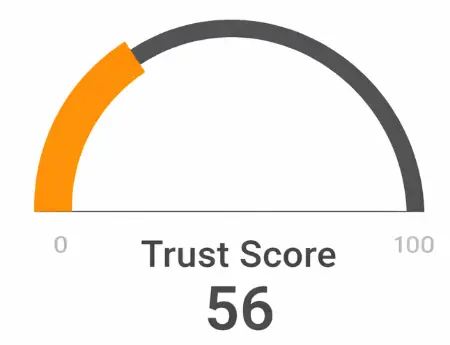
A website’s trust score is an important indicator of its Bloomxchainincludes low web traffic, negative user feedback, potential phishing risks, undisclosed ownership, unclear hosting details, and weak SSL encryption.
With such a poor trust score, the likelihood of fraud, data breaches, or other security issues is much higher. It is crucial to carefully assess these warning signs before engaging with aBloomxchainSimilar platform.
Positive Highlights
- We found a valid SSL certificate
- DNSFilter labels this site as safe
Negative Highlights
- The Tranco rank (how much traffic) is rather low.
- The age of this site is (very) young.
Frequently Asked Questions About Bloomxchain
This section answers key questions about Bloomxchainconcerns, and highlights issues related to the platform’s legitimacy.
It has several red flags, so research carefully before investing.
It uses a network-based investment model with referral incentives.
There are significant risks, including potential withdrawal and sustainability issues.
Promised returns should be independently verified before investing.
No, they are separate topics.
Other Infromation:
WHOIS data : Hidden
Owner : REDACTED FOR PRIVACY
Country: US
WHOIS Registration Date :2026-01-15
WHOIS Last Update:2026-03-27
WHOIS Renew Date: 2028-01-15
Website: Bloomxchain
Title :Bloomxchain

Reviews:
There are no reviews yet. Be the first one to write one.