
Aurum Foundation was a multi-level marketing crypto Ponzi scheme. Russian operators with Dubai connections ran it. The scheme collapsed in late July 2026. After the collapse, the Russians disappeared. This left frontmen Bryan Benson, Andrew Isaacs, and Shane Morand to deal with angry investors.
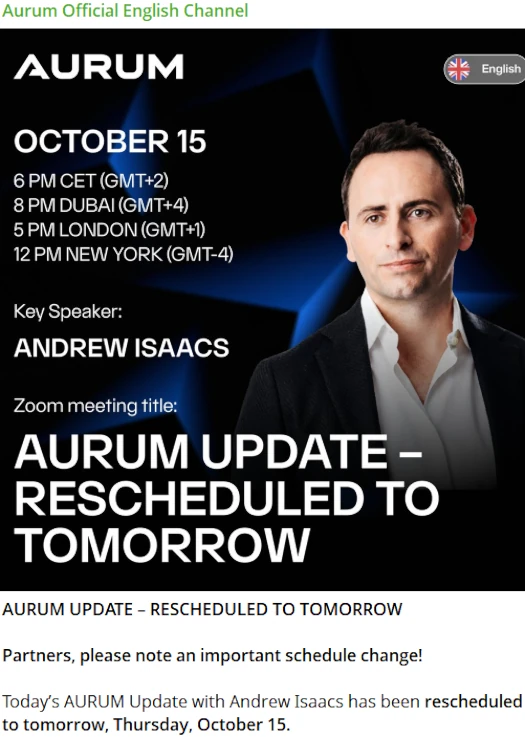
The three men held a few upbeat webinars. They promised recovery was coming. Then most of them also went silent. Only Andrew Isaacs remains visible. His scheduled updates keep getting delayed. The latest one was pushed back another 24 hours on October 16, 2026.
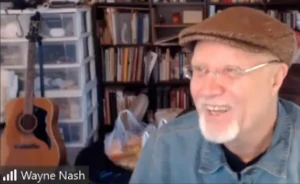
Aurum promoters are now directing victims to a new platform called Digital Asset Recovery Alliance, or DARA. One of the key promoters is Wayne Nash. He is a Canadian national previously linked to Japan. Nash has a long history in the industry. He appeared in earlier schemes such as Paraiba in 2022 and My Advertising Pays in 2015. On his Crypto Tech Investor YouTube channel, he has promoted projects including Cryptex, Bytnex, BitHarvest, SuperOne, Sosana, and TexitCoin.
Nash recently emailed former Aurum members. He told them corporate communication had stopped. He then introduced DARA as a community-funded recovery effort. According to Nash, he confirmed details with Shane Morand. He urged people to register quickly.
The DARA website sits on the domain digitalassetrecoveryalliance.info. The domain was privately registered on October 9, 2026. The site asks users to create accounts and verify their old Aurum balances. It collects account details from the collapsed scheme.
Nash described the recovery model this way. An “angel investor” would provide starting capital based on total registered claims. The money would then be traded. Profits would supposedly repay members according to their recorded balances. He stressed that this is not a guaranteed refund. Results would depend on trading performance.
This is the same trading story used by Aurum and many other crypto MLM schemes. Victims are asked to believe a new trader and outside funding will solve everything.
Aurum account information was controlled by the Russian operators. The frontmen did not have direct access to full investor databases. Yet DARA requires users to sync their old Aurum balances. This raises two possibilities. Either the original Russian team is involved, or they sold the investor database after the collapse. Shortly after Aurum failed, the Russians reportedly tried to sell the database to other platforms.
Nash claims he already synced his own accounts without trouble. He encourages team leaders to do the same so they can bring their downlines on board. The strong urgency in his message suggests promoters may receive private incentives for each person who registers.
DARA’s public messaging focuses on recovery. In reality, the platform appears designed to collect personal and financial details from people who already lost money. Once those details are gathered, the next step is usually a new investment pitch. That pitch is likely another Ponzi-style reboot.
Andrew Isaacs continues to delay public appearances. Each postponement adds to the lack of transparency. No clear evidence has emerged that any real recovery process is underway.
Victims of Aurum should treat any new recovery offer with extreme caution. Platforms that demand old account data and promise trading profits often turn into the next layer of the same scam. Independent verification and professional advice remain the safest approach while the situation develops.
There are no reviews yet. Be the first one to write one.