
Neo-bReview: Full Ownership, Compensation Plan and Risk Breakdown of NeoBank
This neo-bReview examines the platform known as NeoBank. The review draws together public domain records, ownership claims, compensation details and mathematical checks. Readers get a clear picture of the structure, the people linked to it and the numbers behind the offers. The focus stays on facts that anyone can check.
NeoBank presents itself as a digital banking and investment platform. It promotes crypto deposits, daily returns and a partner program. The domain appeared in August 2026. Independent checks show limited history and several warning signals from reputation tools.Scamsradar
Part : 1 Ownership and Background Details
Table of Contents
Public records list Neobank Ltd. as the operating entity. The company claims incorporation in the Union of Comoros on 9 August 2026 under registration number 16381. It also claims an international banking licence numbered L16381/NB. The listed director is Aleksandr Asaciov. An address in Vilnius, Lithuania appears in the user agreement.
Independent reports connect the project to earlier platforms. The sequence runs Arbcore to One Trade to NeoBank. Evgeny Levin appears repeatedly as a central figure in promotional material for all three. Reports describe him as founder or CEO in earlier projects. Asaciov previously appeared in One Trade webinars as a translator linked to Levin. This raises a basic transparency question about ultimate beneficial ownership.
Earlier projects faced reported withdrawal problems. Arbcore registered its domain in January 2026 and encountered issues by April 2026. One Trade followed in May 2026. Its domain registration came shortly after. Community groups previously tied to Arbcore were renamed. One Trade then reported reinvestment pressure and withdrawal friction in July 2026. NeoBank’s domain registered on 11 August 2026. Migration messages for prior participants appeared around the same time.
Promoters from the earlier networks also surface again. Names such as Vladislav Stefanov appear as global ambassadors or community leaders across the sequence. Other associated figures include people previously linked to high-yield crypto and matrix projects. No independent court judgment confirming criminal convictions for the central figures was located in the reviewed material. The operational continuity remains the key point for due diligence.
Domain data shows registration through Namecheap on 11 August 2026. Ownership details stay private. Hosting points to Belize. Name servers link to a Russian-associated provider. Trust scores from multiple checkers sit near zero or in the “caution” and “danger” ranges. Traffic ranks remain very low.
No transparent physical office, audited financial statements or verified banking licence matching the claims appears in public registries checked during research. Related UK company names with similar branding turn out dissolved or unrelated. The real Neo Corporate Public Company Limited listed in Thailand operates in consumer products and has no connection to this platform.
1.1 Complete Compensation Plan Explained
The offer centres on cryptocurrency deposits, mainly USDT and BTC. Promotional material lists daily return ranges of 1.3 percent to 1.7 percent for USDT and 3 percent to 3.8 percent for BTC. Contracts carry a reported 300 percent maximum return. An extra small daily bonus appears in some promoter posts.
A 5 percent direct referral commission applies on deposits made by personally recruited participants. The plan also includes a matrix or binary-style residual structure. Depth expands with rank:
Grade | Matrix Depth |
1 | 2 levels |
2 | 4 levels |
3 | 8 levels |
4 | 12 levels |
5 | 18 levels |
6 | 24 levels |
7 | 30 levels |
Exact percentages paid at each matrix level are not fully disclosed in the public materials reviewed. Rank qualification requires both personal investment and recruitment volume:
Grade | Personal Investment | Recruits Needed | Downline Volume |
1 | $500 | 2 | $1,000 |
2 | $5,000 | 4 | $2,000 |
3 | $10,000 | 8 | $4,000 |
4 | $50,000 | 16 | $40,000 |
5 | $100,000 | 32 | $80,000 |
6 | $200,000 | 64 | $250,000 |
7 | $500,000 | 128 | $600,000 |
Daily withdrawal limits also rise by grade, from $500 at Grade 1 to $50,000 at Grade 7. Higher ranks therefore combine larger personal deposits, more recruits and higher possible daily cash-out ceilings.
These elements create a system where income depends on personal capital plus team volume. The structure is typical of multi-level marketing layered on top of an investment product.
1.2 Why the Numbers Raise Sustainability Questions
Simple mathematics shows the scale of the claims. At 1.3 percent daily, a $1,000 deposit produces $13 per day on a non-compounded basis. At 3.8 percent the same deposit produces $38 per day. Over 30 days the simple totals reach $390 to $1,140 before any fees or commissions.
Compounded figures grow faster. A 1.3 percent daily rate multiplies capital by roughly 1.47 in 30 days. A 3.8 percent rate multiplies it by more than three. Even with the 300 percent contract cap, the platform must generate large external revenue to cover investor returns plus the 5 percent referral commissions and matrix payouts.
Legitimate benchmarks sit far lower. High-yield savings accounts offer single-digit annual rates. Diversified stock indexes historically deliver 7–10 percent annualised. Real-estate averages fall in a similar range after costs. Crypto lending yields that stay regulated or transparent rarely sustain double-digit monthly figures without matching risk.
A system that promises fixed high daily rates while paying network commissions needs continuous proof that trading or other activity generates the cash. Without audited trading records, exchange statements and balance-sheet figures, the source of funds stays opaque.
Part : 2 Technical and Reputation Profile
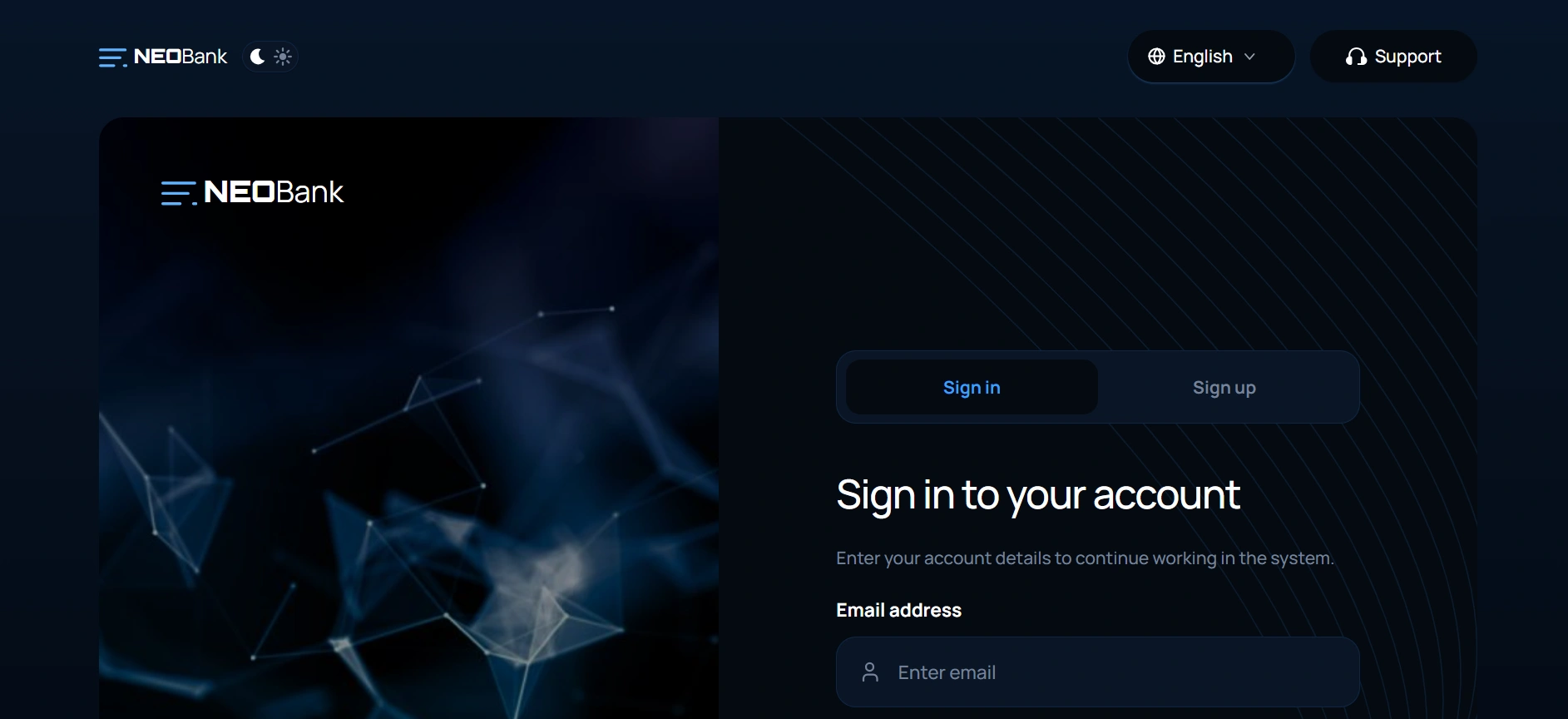
The live site functions mainly as a login and signup portal for the described ecosystem. SSL exists but uses a short-validity certificate common on newer domains. Reputation scanners flag hidden WHOIS, low traffic and phishing-related signals. Customer support channels centre on Telegram and promoter groups rather than independently verified corporate help desks.
Payment methods stay crypto-only. Once funds leave a wallet, reversal is difficult. Rank-based withdrawal caps mean displayed balances do not automatically equal available cash.
2.1 Key Risk Indicators in Summary
- Extremely recent domain and company registration
- Private ownership details and offshore structure
- Continuity of names, promoters and narratives from two prior projects that reported payout friction
- Daily return rates that produce extreme annualised figures even before compounding
- Compensation that rewards both deposits and recruitment
- Limited independent verification of trading profits or asset custody
- Multiple external trust scores in the caution or danger range
Practical Recommendations
Treat any decision to deposit as extremely high risk. Demand independently audited financial statements, verified trading records, regulator database confirmation of the claimed licence and clear beneficial-ownership documents before considering funds. Existing participants should document every transaction, test actual withdrawals and avoid further deposits that claim to unlock balances.
Safer alternatives for capital include regulated savings products, diversified index funds and licensed brokers. Those options publish transparent performance data and operate under known consumer-protection rules.
Neo-B Review
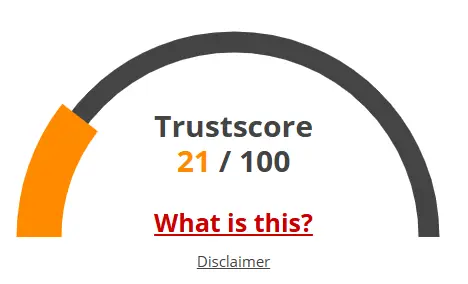
A website’s trust score is an important indicator of its Neo-B includes low web traffic, negative user feedback, potential phishing risks, undisclosed ownership, unclear hosting details, and weak SSL encryption.
With such a poor trust score, the likelihood of fraud, data breaches, or other security issues is much higher. It is crucial to carefully assess these warning signs before engaging with Neo-B similar platform.
Positive Highlights
- We found a valid SSL certificate
- DNSFilter labels this site as safe
Negative Highlights
- The Tranco rank (how much traffic) is rather low.
- The age of this site is (very) young.
Frequently Asked Questions About Neo-B
This section answers key questions about Neo-B concerns, and highlights issues related to the platform’s legitimacy.
Neo-b Review examines its business model, investment claims, and potential risks.
This review analyzes Neo-b’s ownership, transparency, security, and legitimacy.
Neo-b claims attractive returns, but investors should verify whether they are sustainable.
Everstead Review appears to be a separate term and should not be assumed to be connected to Neo-b.
Research its ownership, compensation plan, withdrawals, and regulatory status before investing.
Other Infromation:
WHOIS data : Hidden
Owner : REDACTED FOR PRIVACY
Country: BZ
WHOIS Registration Date :11 August 2026
WHOIS Last Update:18 August 2026
WHOIS Renew Date: 11 August 2027
Website:Neo-B
Title:Neo-B
Reviews:
There are no reviews yet. Be the first one to write one.