
ZenQuantAI Review: Is This AI Trading Platform Worth Your Time in 2026?
Looking for a clear ZenQuantAI Review that cuts through the hype? This ZenQuantAI Review examines the platform’s claims, structure, and risks so readers can decide for themselves. ZenQuant AI positions itself as an AI-driven quantitative trading service focused on crypto and tokenized assets. Users often search for details on ZenQuant AI deposit options, ZenQuant AI withdrawal processes, and whether ZenQuant AI is legit or carries the marks of a high-risk setup. This review covers the key points without fluff.Scams Radar
Part:1 ZenQuantAI Review of Ownership and Background
Table of Contents
The company behind the brand is listed as ZenQuant Technologies Inc., a Colorado entity with a 2025 formation date. Public records show an SEC Form D filing under CIK 0002101775 for a $575,000 exempt equity offering. A FinCEN MSB number is also referenced. These filings confirm a legal entity exists, yet they do not equal SEC approval of the retail trading product or any government guarantee of returns. The domain is relatively new, registered in late 2025, and ownership details remain privacy-protected. Independent security scanners have assigned low-to-moderate trust scores and noted blacklist hits from certain providers.
Promotional activity appears heavily driven by Telegram channels and referral links rather than traditional institutional channels. Names linked in public discussions to similar prior brands surface in user reports, though direct criminal history for the named director is not established in available records.
1.1 Returns, Compensation, and the Math Behind ZenQuant AI Claims
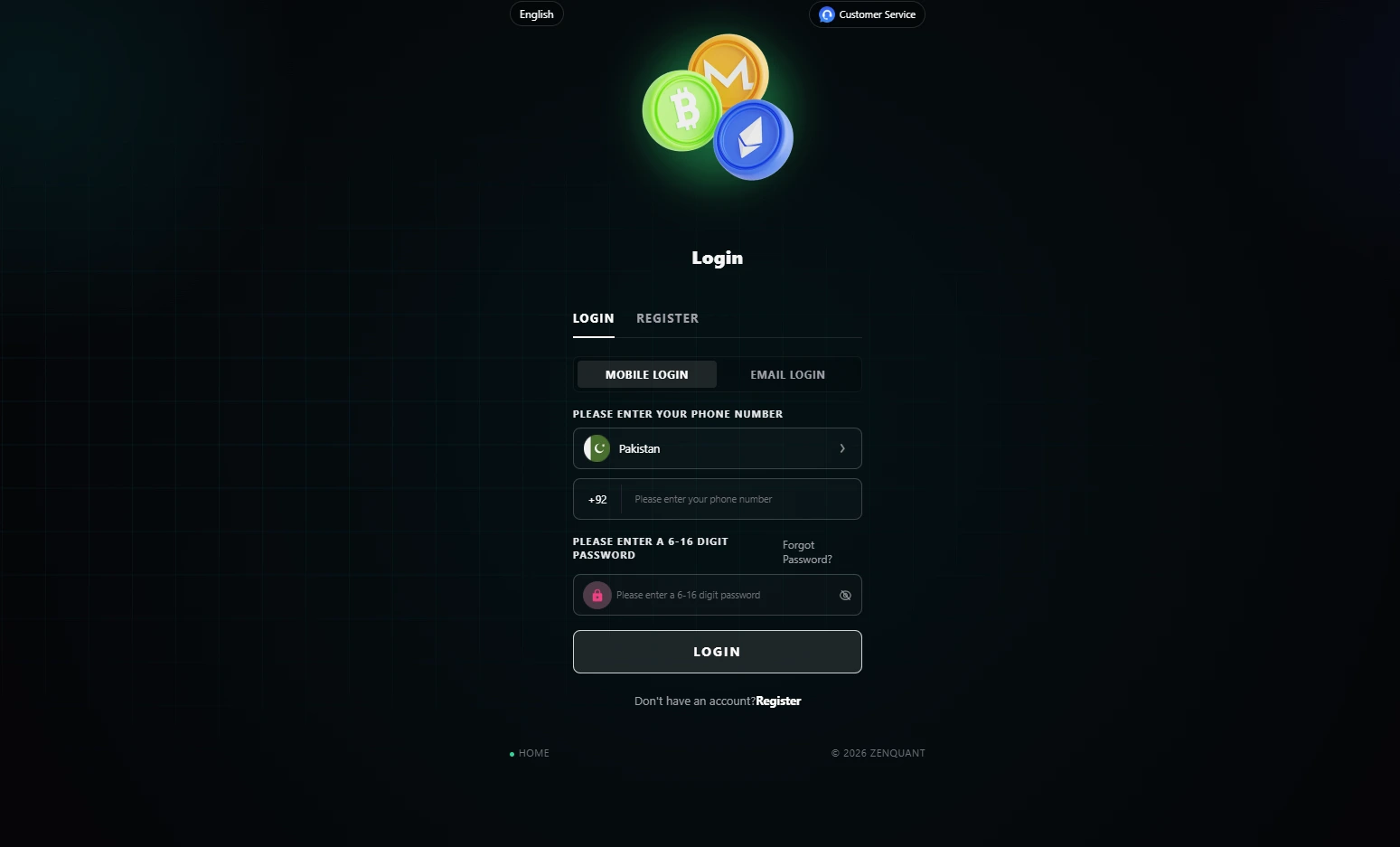
ZenQuant AI marketing and promoter materials highlight average daily alpha figures around 2–3 percent, signal accuracy near 94 percent, and examples such as ZenQuant AI 0.5% every 3 hours or earnings over ZenQuant AI 15 days trading periods. Some promotions advertise ZenQuant AI passive income potential from small ZenQuant AI deposit amounts (as low as $4–$10), trial bonuses, and multi-level ZenQuant AI referral commissions stretching across several generations.
Compounding math quickly shows why these figures stand out. A consistent 3 percent daily return compounded turns modest capital into extreme multiples within a year—far beyond historical equity, real-estate, or mainstream crypto staking yields. Even top institutional quant strategies rarely sustain double-digit annualized returns without significant volatility and capacity limits. No independent audited track record or proof-of-reserves has been located to support the scale of claimed assets under management or the advertised daily performance.
The referral structure resembles a multi-level arrangement rather than a classic binary or fixed matrix. Promoters emphasize ZenQuant AI invite code use, team building, and commission tiers. This model creates economic pressure: returns, bonuses, and commissions must ultimately be funded by real trading profits or new inflows.
Part: 2 ZenQuant AI Deposit, Withdrawal, and Practical Details
ZenQuant AI deposit and withdrawal methods center on crypto, particularly ZenQuant AI USDT. Minimum deposits are low, and some promotions list ZenQuant AI minimum withdrawal thresholds around $11. Users report a ZenQuant AI KYC verification process is required. Customer support is described as chat- and Telegram-based.
Public feedback on ZenQuant AI withdrawal experiences is mixed and often anecdotal. Some users share screenshots of small successful withdrawals; others report friction, additional fees, or delays. How to withdraw from ZenQuant AI or resolve ZenQuant AI withdrawal not working situations typically involves platform support channels. No broad, independently verified withdrawal proof dataset exists in public sources. ZenQuant AI minimum deposit amount remains accessible for testing, yet larger movements appear less transparent.
Security claims include standard encryption, cold storage, and compliance certifications. These remain self-reported. The mobile apps are available, though review volume is limited.
2.1 Public Perception and Risk Factors in This ZenQuantAI Review
Trustpilot and Reddit threads contain limited reviews, including skepticism and scam concerns. Traffic patterns show high direct visits relative to organic search, consistent with referral-driven growth. Comparisons with legitimate alternatives—Treasury yields, institutional real estate, or exchange staking APYs—highlight the gap between advertised ZenQuant AI earnings and real-world benchmarks.
Key red flags include the young domain, aggressive return promises, multi-level promotions, reliance on crypto transfers (generally irreversible), and absence of independently audited performance data. Positive notes include the existence of a Form D filing and functional apps. Overall, the combination points to elevated risk.
Practical Guidance and Alternatives
Anyone considering ZenQuant AI sign up should treat it as speculative. Verify regulatory status directly with official sources, request proof of trading activity and fund segregation, and never send funds solely on the basis of screenshots or Telegram claims. ZenQuant AI tutorial videos and earning strategy posts circulate widely, yet they do not replace independent verification.
Safer paths for passive income or AI-assisted trading include regulated brokers, established exchange products with transparent APYs, or traditional diversified portfolios. ZenQuant AI vs other AI trading platforms comparisons usually favor those with longer track records, audited statements, and clearer custody arrangements.
ZenQuantAI Review
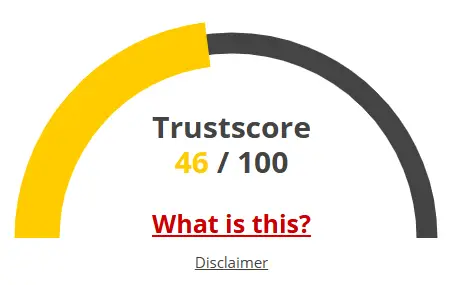
A website’s trust score is an important indicator of its ZenQuantAI includes low web traffic, negative user feedback, potential phishing risks, undisclosed ownership, unclear hosting details, and weak SSL encryption.
With such a poor trust score, the likelihood of fraud, data breaches, or other security issues is much higher. It is crucial to carefully assess these warning signs before engaging with a ZenQuantAI Similar platform.
Positive Highlights
- We found a valid SSL certificate
- DNSFilter labels this site as safe
Negative Highlights
- The Tranco rank (how much traffic) is rather low.
- The age of this site is (very) young.
Frequently Asked Questions About ZenQuantAI
This section answers key questions about ZenQuantAI concerns, and highlights issues related to the platform’s legitimacy.
ZenQuantAI has several red flags, so research carefully before investing.
It claims to use AI-based trading and investment strategies.
Unusually high returns may be difficult to sustain and carry significant risk.
Risks may include unclear ownership, withdrawal problems, and unrealistic ROI claims.
There is no verified evidence of a direct connection.
Other Infromation:
WHOIS data : Hidden
Owner : REDACTED FOR PRIVACY
Country: US
WHOIS Registration Date : 2025-11-11
WHOIS Last Update: 2026-08-06
WHOIS Renew Date: 2028-11-11
Website: ZenQuantAI
Title : ZenQuantAI
Reviews:
There are no reviews yet. Be the first one to write one.