Putin Signs Landmark Crypto Law Allowing Regulated Retail Trading in Russia
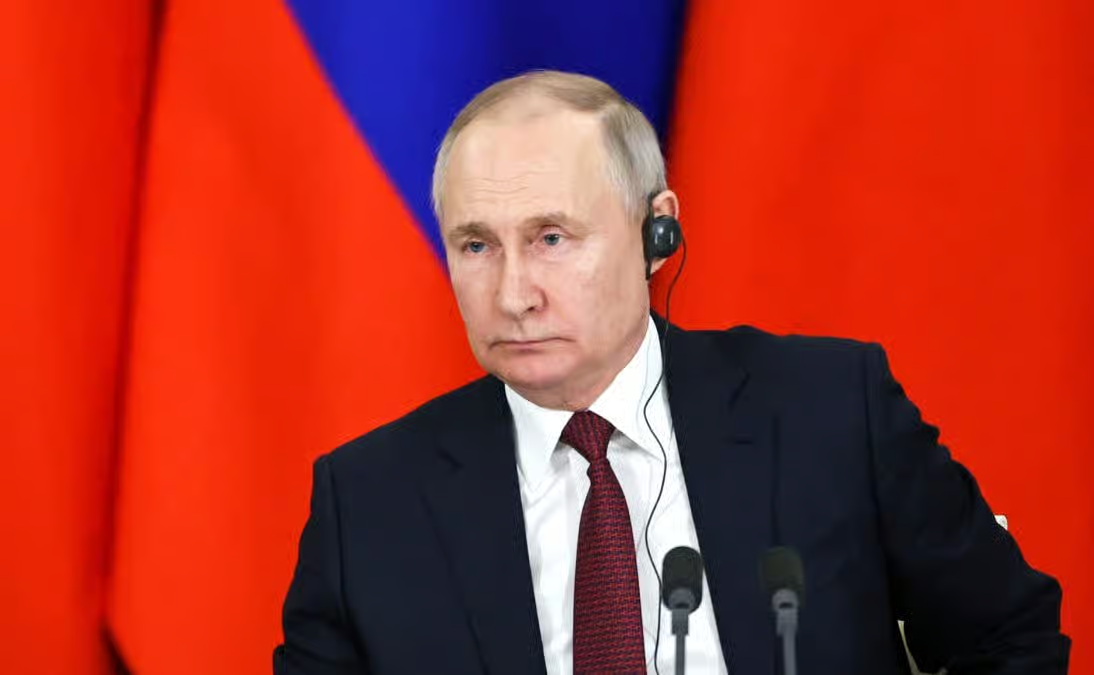
Russian President Vladimir Putin has signed a major law that creates a clear regulatory framework for the cryptocurrency market. The legislation sets rules for exchanges, custodians, brokers, investors, and other participants. It still bans the use of crypto to pay for goods and services inside Russia.
Key Rules for Investors
Retail investors can buy the most liquid cryptocurrencies. Their purchases are limited to 300,000 rubles (about $3,700) per year through each intermediary. The law does not list which specific assets qualify.
Qualified investors face no purchase limits. They can buy any crypto assets. Both retail and qualified investors must pass special suitability tests. Retail investors can earn qualified status based on their past crypto transaction history.
Requirements for Crypto Exchanges
Crypto exchanges must register in a special registry to operate. They need a minimum equity of 15 million rubles (about $185,200). Exchanges must also join a financial market self-regulatory organization.
Payment Ban and Cross-Border Exceptions
The law keeps the domestic ban on using cryptocurrencies as payment or legal tender. However, it allows cross-border settlements for foreign trade contracts between Russian residents and non-residents. Russia began permitting crypto in international trade in 2024 to help counter Western sanctions.
Timeline for Implementation
The main law takes effect on September 1, 2026. Some rules on the issuance and circulation of crypto assets start on September 1, 2027. Existing crypto exchanges receive a grace period until March 1, 2027.
Broader Regulatory Context
This law marks a major change in Russia’s approach to digital assets. The State Duma passed the bill last month after its first reading in April. The move brings crypto trading under clearer government oversight.
It builds on recent work by the Bank of Russia. Last week, the central bank released draft rules for organized trading of digital assets and digital rights. Those drafts include requirements for crypto exchanges and digital depositories.
At the same time, authorities continue to tighten control over crypto mining. Last month, the government banned crypto mining and participation in mining pools in Moscow, the Moscow region, and parts of the Kursk region. The ban runs from August 15, 2026, until the end of 2032.