
IRS Warns Crypto Holders About Fake Letters and Scams
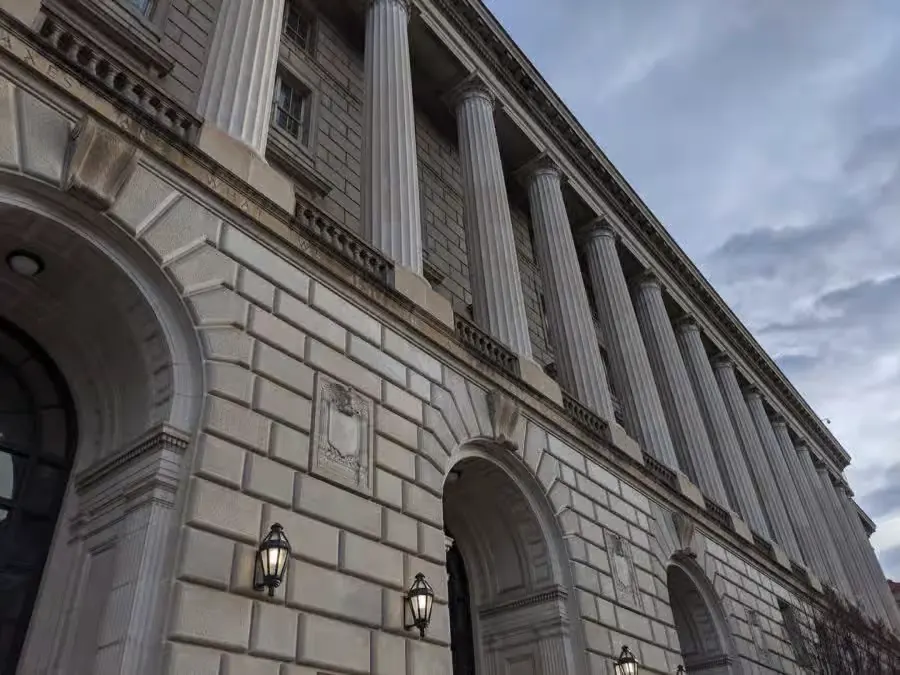
The U.S. Internal Revenue Service (IRS) has warned crypto holders about a new scam involving fake letters. According to Bloomberg, fraudsters are mailing counterfeit IRS notices to taxpayers. The letters are designed to steal cryptocurrency or sensitive personal information.
Fake Digital Asset Portal Used in Scam
The IRS said some letters instruct recipients to register with a fake “Digital Asset Compliance Portal.” The agency confirmed that no such portal exists. Scammers may use the fake website to collect personal information or gain access to digital assets.
The IRS has also urged taxpayers to avoid scanning QR codes included in suspicious letters. People should also be cautious about calls from individuals demanding cryptocurrency or other payments.
Physical Mail Becomes a New Crypto Scam Method
Crypto scams often rely on emails, fake websites, and social media messages. However, scammers now appear to be using physical mail to target digital asset holders.
The tactic could be effective because IRS letters about cryptocurrency have become more common. The agency requires taxpayers to report certain digital asset activity on their tax returns. This has made official-looking crypto tax notices more familiar to taxpayers.
IRS Crypto Notices Have Caused Confusion
The IRS has previously sent letters to taxpayers regarding digital asset reporting. A large increase in crypto-related notices last year caused confusion among thousands of taxpayers.
Scammers may now be attempting to exploit that familiarity. Fake letters can appear legitimate and may pressure recipients into taking immediate action. Crypto holders should verify any unexpected IRS communication through official channels.
Crypto Hacks Continue to Cause Major Losses
The warning comes as crypto-related fraud and security incidents remain widespread. Blockaid reported earlier this week that crypto projects lost more than $1 billion to hacks during the first half of 2026.
Blockaid described the period as the most-hacked half-year on record based on the number of incidents. The figure refers to the number of attacks rather than the total value stolen.
Physical Attacks Also Target Crypto Holders
Crypto holders face risks beyond online scams. Physical attacks known as “wrench attacks” involve threats, violence, or extortion to force victims to surrender their cryptocurrency.
CertiK reported that more than 50 wrench attacks occurred during the first half of 2026. Europe recorded the highest number of reported incidents. The latest IRS warning highlights the need for crypto users to remain cautious when handling both digital and physical communications.