
ARK DeFAI Review: A Closer Look at This AI-Powered DeFi Project in 2026
ARK DeFAI combines decentralized finance, artificial intelligence, and community governance in one ecosystem. Many people wonder about its potential as they explore new crypto opportunities. This review breaks down the key details on the team, compensation plan, tokenomics, and more in simple terms. Scams Radar

Table of Contents
Part : 1 Understanding ARK DeFAI Project and Its Vision
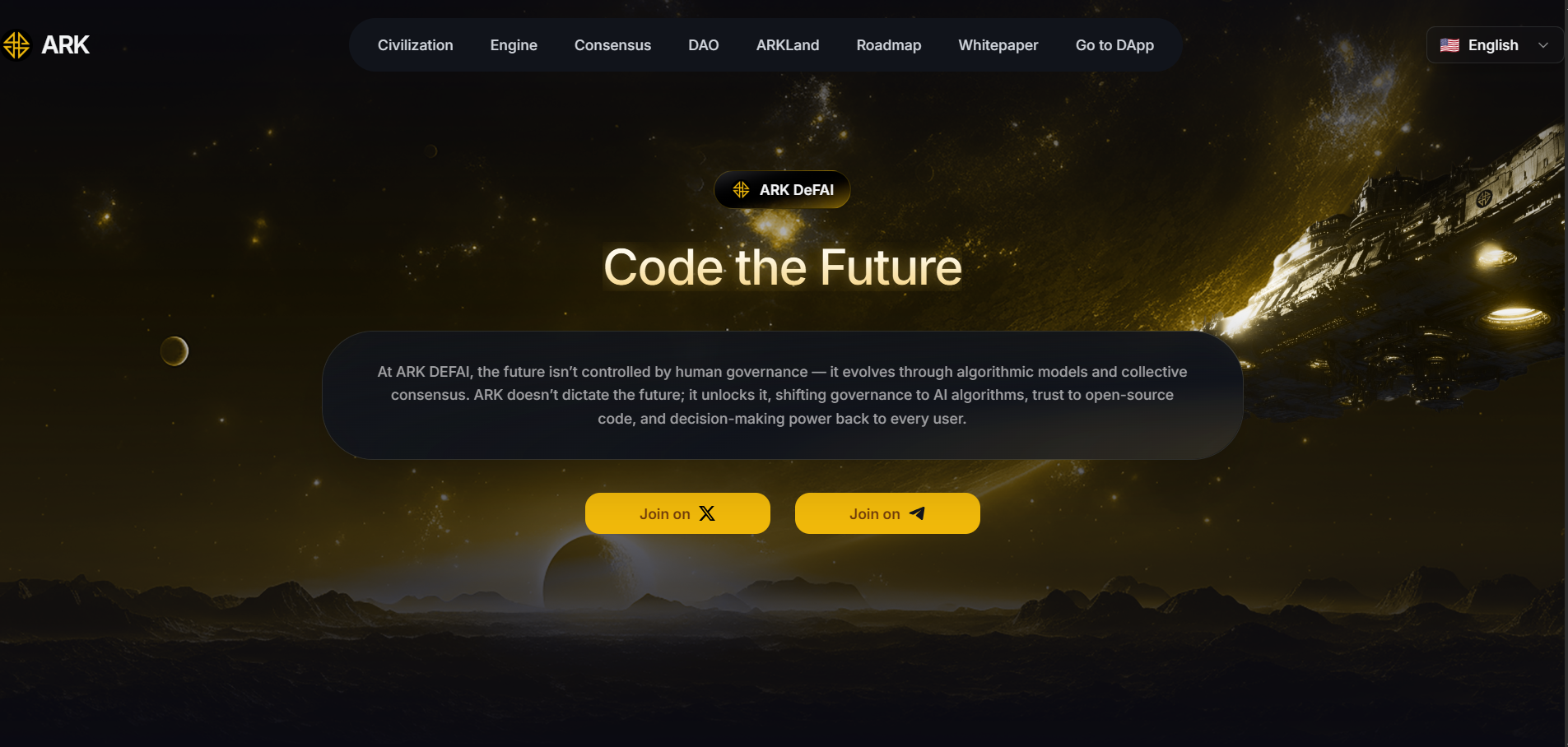
ARK DeFAI positions itself as a forward-looking protocol that aims to build a “decentralized intelligence civilization.” It uses AI for governance, smart treasury management, and user-friendly DeFi tools. The project launched around mid-2025 and focuses on practical features for everyday users.
The official site and documentation highlight a modular architecture with several core modules:
- Emission Manager (EM): Controls token distribution.
- Range Bound Stability (RBS): Helps maintain price stability.
- Yield Revenue Feedback (YRF): Supports token burns and revenue loops.
- Protocol-Owned Liquidity (POL) and ARK Treasury System (ATS): Manage assets and liquidity.
These elements work together to create what the team calls an economic flywheel. Users can participate through staking, bonding, and governance. The roadmap extends to 2035, with plans for expansion in AI tools, lending, and ecosystem growth. The ARK token serves as the main utility asset for staking, governance, and accessing features.
1.1 : Owners' Profiles and Backgrounds
Transparency matters in crypto, and ARK DeFAI features several public contributors, though many use pseudonyms common in the space.
- Joyboy (CEO): Described as the architect of AI-native governance. He focuses on building modular DeFi systems for on-chain civilization. His X handle (@thelastjoyboy33) shares updates on the project’s progress.
- Carmelo Ippolito: A key figure in decentralized governance and incentive design. He has connections to ideas from Olympus DAO-style mechanisms, such as treasury management and bonding. Public materials link him to research on monetary systems and AI-assisted decision-making.
- EGE: Founding member noted for contributions to AI coordination. Some materials mention links to early AI development, like ChatGPT-related work, though these claims need personal verification.
- OxGC: Core contributor with claimed experience from Lido Finance, bringing staking and liquidity expertise.
The project also references support from the Morgan Crest Web3 Foundation as a strategic backer, with mentions of significant infrastructure investment. As with many DeFi projects, full legal entity details and traditional corporate filings are limited, which is typical but worth noting for due diligence.
Team members emphasize building long-term value rather than short-term hype. Their backgrounds draw from DeFi innovation, AI, and community coordination.
1.2 : ARK DeFAI Compensation Plan and How It Works
The compensation structure centers on staking, bonding, and participation rewards rather than a traditional multi-level marketing setup. Users lock assets for periods like 720 days and earn yields through the protocol’s mechanisms.
Key Elements of the Plan:
- Staking Rewards: Daily reference yields range from 0.27% to 1% in some packages, paid in ARK tokens. Longer locks (up to 720 days) come with discounts and potential multipliers.
- Bonding: Users buy bonds that help the treasury while earning locked ARK.
- Governance and Incentives: VotingIncentiveManager and DelegationIncentiveManager reward participation in DAO decisions.
- Network Growth: Referral and studio-based incentives recognize new user acquisition and positive net inflows. Terms like “Referral King” or “Growth King” appear in community leaderboards, with rewards tied to ecosystem expansion.
- Token Burns and Feedback: YRF mechanism aims to reduce supply over time using revenue.
This setup encourages both individual staking and community building. However, returns depend on token price, treasury performance, and overall activity.
1.3 : Simple Math Breakdown for Laymen
Imagine staking $1,000 at 0.27% daily compounded over 720 days. It could grow the token balance significantly — roughly 7x in ideal conditions. At higher reference rates, the multiplier increases, but real dollar value depends on ARK token price stability. Real-world benchmarks like bank savings (around 4-5% yearly) or real estate (8-12%) show much lower but steadier returns. ARK offers higher potential with higher volatility.
Part : 2 ARK Tokenomics and Token Utility Explained
The ARK token powers the ecosystem. Its supply involves emissions balanced by burns and treasury controls. Minting caps and runway modules aim to prevent uncontrolled inflation.
Token Utility:
- Staking for yields.
- Governance voting.
- Access to lending and other DeFi features.
- Collateral in the treasury system.
Price analysis shows volatility common in new tokens. It has seen highs and corrections, with liquidity on exchanges. On-chain data and contract details are available for review on explorers.
2.1 : Investment Risks and Important Considerations
Every crypto project carries risks. ARK DeFAI’s high-yield potential comes with challenges like token price swings, lock-up periods, and dependence on new activity for some incentives. Treasury claims should be verified on-chain. Smart contract risks exist despite technical features.
The domain is relatively new (registered 2025), and ownership uses privacy services. Independent tools give mixed trust scores. Always check the latest contract address and perform your own research.
Community channels on Telegram, X (@arkv3official), and YouTube remain active for updates. Social sentiment mixes excitement with questions typical for emerging DeFi projects.
2.2 : ARK DeFAI Features and Ecosystem Review
- AI Governance: Uses models for forecasting, optimization, and risk detection.
- DeFi Tools: Staking, lending, liquidity provision.
- DAO Structure: Community-driven decisions.
- Roadmap 2026: Focus on mainnet stability, more integrations, and user growth.
- Whitepaper and Docs: Available via GitBook for deeper technical reading.
The project aims for a “digital nation” feel with long-term plans.
Future Potential and Final Thoughts
ARK DeFAI stands out for its ambitious blend of AI, DeFi, and modular design. For those interested in high-risk, high-reward crypto, it offers tools for staking and governance that could reward active participants if the economic flywheel performs well.
Success will depend on real revenue generation, treasury management, and community trust. The team continues building, with public contributors sharing progress.
ARK DeFAI Review
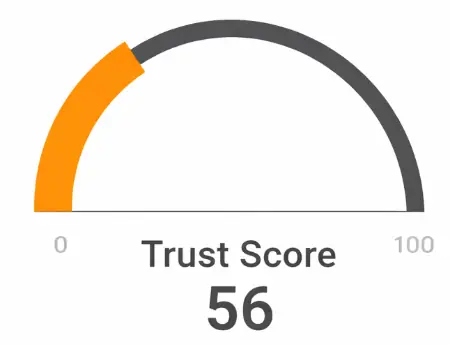
A website’s trust score is an important indicator of its reliability.ARK DeFAI includes low web traffic, negative user feedback, potential phishing risks, undisclosed ownership, unclear hosting details, and weak SSL encryption.
With such a poor trust score, the likelihood of fraud, data breaches, or other security issues is much higher. It is crucial to carefully assess these warning signs before engaging with a ARK DeFAI Similar platform.
Positive Highlights
- We found a valid SSL certificate
- DNSFilter labels this site as safe
Negative Highlights
- The Tranco rank (how much traffic) is rather low.
- The age of this site is (very) young.
Frequently Asked Questions About ARK DeFAI Review
This section answers key questions about ARK DeFAI clarifies points, addresses concerns, and highlights issues related to the platform’s legitimacy.
ARK DeFAI has transparency concerns; research carefully before investing.
It uses referral-based incentives and network marketing rewards.
Risks include crypto volatility, withdrawal issues, and unclear returns.
Compare their transparency, business models, and investment risks.
Research thoroughly before investing.
Other Infromation:
WHOIS Registration Date: 2025-06-23
WHOIS Last Update: 2025-11-02
WHOIS Renew Date: 2035-06-23
Website: ARK

Reviews:
There are no reviews yet. Be the first one to write one.