TLNDAPP Review: A Comprehensive Look at TLN Protocol, Compensation Plan, and Key Details
TLNDAPP review reveals important insights for anyone exploring crypto staking and liquidity options. This platform, linked to the TLN Protocol, offers ways to stake tokens and earn rewards, but it also raises questions that every potential user should understand clearly. In this detailed guide, we break down the owners’ backgrounds, full compensation structure, mechanics, risks, and real-world considerations using simple language. Scamas Radar
Table of Contents
Part : 1 Understanding TLN Protocol and How It Works
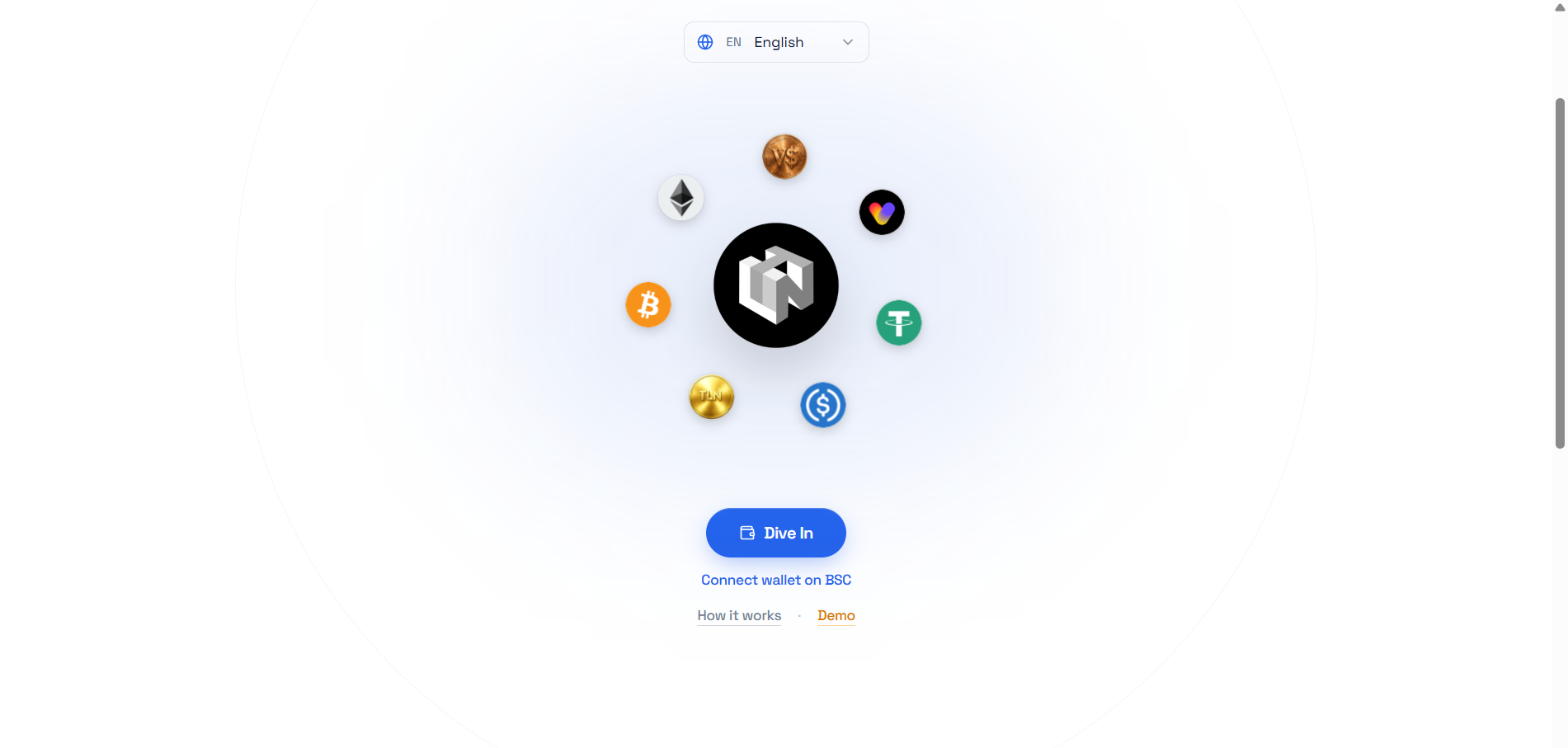
The TLN Protocol at tlndapp.com lets users stake VOW or other liquidity provider (LP) tokens, often from PancakeSwap, for a set period. Users lock assets for around 365-367 days and receive TLN tokens that represent borrowing capacity. They can then use these to access v$ discount vouchers, which work in partner stores or trade on the market.
Key steps many users follow include connecting a MetaMask wallet, creating LP tokens on PancakeSwap for TLN/VOW pairs, and staking them to start earning. The system mixes liquidity provision, staking rewards, and borrowing features in a DeFi-style setup on the Binance Smart Chain.
1.1 Owners' Profiles and Backgrounds
Transparency matters in any investment. Public information on the TLN Protocol team remains limited. The website does not list clear executive details or company registration in an easily accessible way.
Investigators link the project to Biashara “Bish” Smeir, associated with earlier ventures like VOW Network and The Last Network. Smeir has connections to the UK and Dubai. Another name that surfaces is Joerg Wittke, also based in the Dubai area and known for involvement in crypto networking projects.
Previous entities include Enigmatic Smile in the UK and the VOW Ecosystem Foundation in Jersey. The current domain registered privately in January 2026 as a continuation or reboot after the earlier tlnprotocol.com faced challenges, including reported issues in 2024. These connections help explain the project’s history but also highlight the need for full openness.
1.2 Complete Compensation Plan and Reward System
The compensation plan in TLNDAPP combines staking yields with recruitment elements. Users deposit VOW, USDT, or BTC, which convert into LP tokens. These get staked for the long lock-up period. In return, participants earn TLN Gold tokens or similar rewards. Withdrawals often involve a 20% fee paid in VOW and additional collateral requirements.
Part : 2 Main income streams include:
- Staking and Liquidity Rewards:
Daily or periodic yields from staked LP tokens. The platform highlights activity-based earnings and token minting. - Referral and Team Commissions:
Bonuses for bringing in new participants who add liquidity. This follows a Unilevel-style structure with potential deeper levels, rank bonuses, and leadership incentives. - Borrowing and Redemption:
Burning TLN tokens for v$ vouchers, which users redeem or sell. - VIP and Rank Advancements:
Higher investment tiers unlock better percentages and extra benefits.
Promoters describe passive daily income, team volume payouts, and growth from ecosystem expansion. However, full official commission rates and formulas stay somewhat hidden on the main site, relying on community explanations.
2.1 ROI Claims vs. Real-World Math
Many discussions around TLN staking rewards mention attractive percentages. Yet simple math shows why high returns need careful review.
For example, assume a $1,000 stake with optimistic compounding. Real DeFi pools generate fees from actual trading volume — often much lower than promised yields without constant new inflows.
Here is a simple comparison table:
Investment Type | Typical Annual Return | Risk Level | Liquidity |
Bank Savings | 3–6% | Very Low | High |
Real Estate | 5–12% | Low to Medium | Low |
Established Crypto Staking | 2–15% | Medium | Varies |
TLN Protocol Claims | Significantly higher | High | Currently Low |
Legitimate yields rarely stay at triple-digit levels long-term without strong underlying activity. The platform’s model depends on liquidity growth, trading fees, and new participation.
Visualizing Sustainability
Imagine a line graph showing investor payouts versus actual platform value growth. If payouts grow at 50-100% yearly while real economic activity grows at 10%, the gap widens quickly. This illustrates why continuous new deposits become important for payouts — a common pattern in high-yield setups.
2.2 Security, Risks, and Technical Aspects
Users should note the 367-day lock-up period, which limits access to funds. Past events include a reported smart contract incident in May with estimated losses. Liquidity on TLN+/VOW pairs shows relatively low daily volume, which can lead to price slippage.
Other considerations:
- Impermanent Loss: Common in liquidity pools when token prices change.
- Gas Fees and Costs: BSC transactions keep costs manageable but still apply.
- Wallet Connection: MetaMask setup is straightforward for most.
- Honeypot and Concentration Risks:
Some analytics tools flag concerns with token distribution.
The platform claims non-custodial operation, meaning users control their keys, but staking locks assets in smart contracts. No public comprehensive security audit stands out prominently.
Part : 3 Traffic, Community, and Public View
Newer domains like this one typically start with limited organic traffic. Promotion happens mainly through Telegram channels (around 1,800+ members) with community calls, plus scattered social mentions. Independent reviews vary, with many focusing on the need for caution due to history and structure.
Pros Noted by Users:
- Easy wallet integration
- Potential for ecosystem utility with v$ vouchers
- Community engagement through calls
Areas for Improvement:
- More public documentation and audits
- Clearer ownership details
- Higher trading liquidity
3.1 Step-by-Step Guide for New Users
- Connect MetaMask to the TLNDAPP site.
- Create or obtain VOW LP tokens on PancakeSwap.
- Stake into the protocol for the lock period.
- Monitor TLN rewards and borrowing options.
- Understand withdrawal rules before starting.
TLNDAPP Review: Final Thoughts and Advice
This TLNDAPP review covers the core of the TLN Protocol — its staking mechanics, compensation layers, owner connections, and practical realities. The platform appeals to those interested in DeFi liquidity mining, tokenized rewards, and community-driven growth. However, the long lock-ups, reliance on new participation, past project history, and low current liquidity call for thorough personal research.
Potential participants should weigh the full compensation plan against standard benchmarks. Focus on verifiable revenue sources rather than hype. Tools like blockchain explorers, community forums, and basic math help separate realistic opportunities from unsustainable ones.
TLND App Review Score
A website’s trust score is an important indicator of its reliability. TLND App includes low web traffic, negative user feedback, potential phishing risks, undisclosed ownership, unclear hosting details, and weak SSL encryption.
With such a poor trust score, the likelihood of fraud, data breaches, or other security issues is much higher. It is crucial to carefully assess these warning signs before engaging with a TLND App Similar platform.
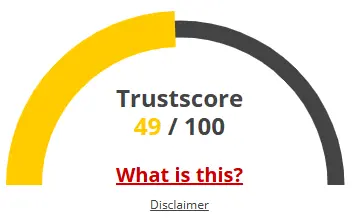
Positive Highlights
- We found a valid SSL certificate
- DNSFilter labels this site as safe
Negative Highlights
- The Tranco rank (how much traffic) is rather low.
- The age of this site is (very) young.
Frequently Asked Questions About TLND App Review
This section answers key questions about TLND App clarifies points, addresses concerns, and highlights issues related to the platform’s legitimacy.
TLNDApp has several red flags, so caution is advised.
It claims to earn through crypto and blockchain activities.
High ROI claims and limited transparency are common concerns.
Traditional investments are generally more stable and regulated.
Both assess legitimacy, risks, and transparency.
Reviews:
There are no reviews yet. Be the first one to write one.