SEC Proposal to Remove Key NMS Rules to Majorly Unlock Tokenized US Stocks
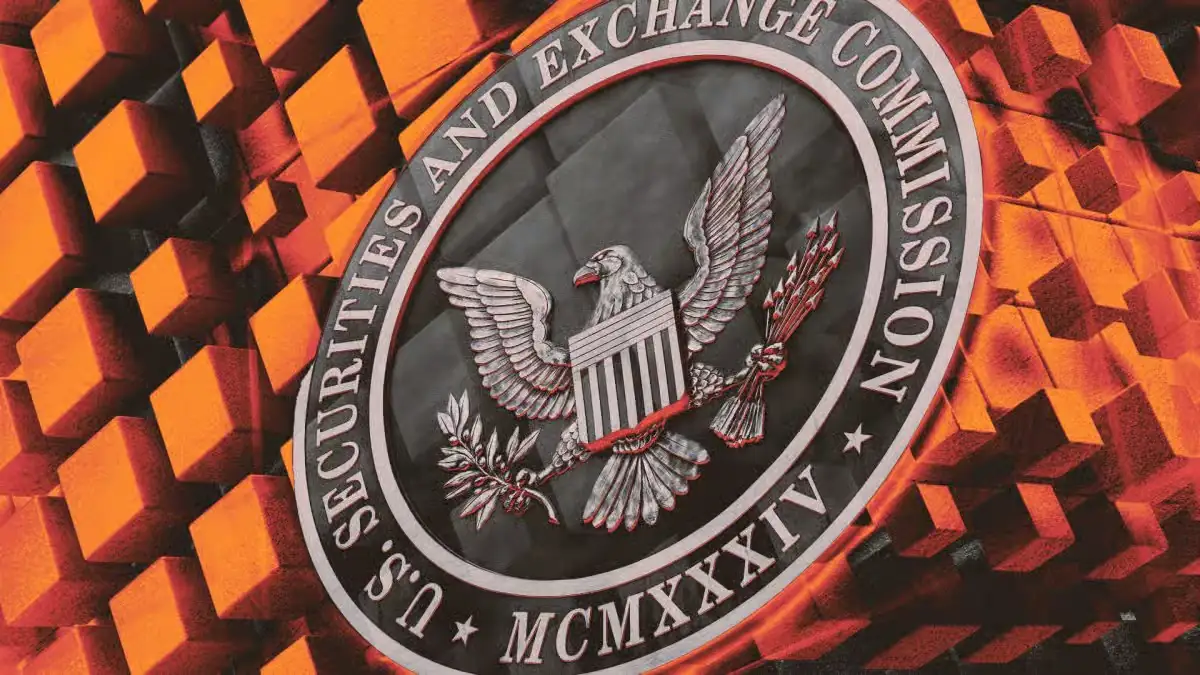
The U.S. Securities and Exchange Commission (SEC) has proposed eliminating core trade-through protections under Regulation NMS (National Market System). This regulatory shift could remove major barriers for trading tokenized U.S. stocks within decentralized finance (DeFi).
On Thursday, the SEC announced plans to rescind Rules 611 and 610(e) of Regulation NMS. Originally established in 2005, these rules are being targeted to promote the long-term growth of U.S. markets.
SEC Chairman Paul Atkins stated that the proposal aims to simplify market structure, reduce costs, and allow innovation to shape equity markets. The SEC has opened a 60-day public comment period for the proposal.
Why Current Regulation NMS Rules Block DeFi
The existing rules create structural barriers that make it nearly impossible for Automated Market Makers (AMMs) in DeFi to legally trade tokenized U.S. equities at scale.
- Rule 611 (Trade-Through Rule): Prevents trading venues from executing a stock trade at a price inferior to the best displayed quote on another exchange.
- Rule 610(e): Prohibits trading centers from displaying quotes that lock or cross the market.
Alex Thorn, head of firmwide research at Galaxy Digital, explained that AMMs cannot comply with Rule 611 by design. AMMs execute trades against a blockchain bonding curve based on pool prices and block-time granularity. They cannot route intermarket sweep orders, process real-time market data feeds, or pause a swap if Nasdaq has a better price.
Consequently, an onchain pool for tokenized stocks would constantly violate these rules, making it an illegal trading venue.
The Shift Toward Best Execution and the 'Crypto Playbook'
If the SEC officially rescinds these rules, the regulatory focus will shift. The agency will instead rely on FINRA Rule 5310, which governs “best execution” duties.
This broker-level, principles-based framework is much more flexible and can accommodate the automated nature of AMMs. Thorn described this move as the SEC executing its “Project Crypto playbook.” The strategy involves clearing the hardest market obstacles first, then handling venue registration issues through innovation exemptions.
Timeline: Expectations for Finalization in Q1 2027
Market analysts anticipate the proposal will successfully pass. Jaret Seiberg, managing director at TD Cowen’s Washington Research Group, noted that repealing these rules has been a long-term priority for Chairman Atkins. Seiberg expects the agency to finalize the rule changes in the first quarter of 2027.
Importantly, the SEC might not wait until 2027 to allow progress. Analysts expect the regulator to offer temporary exemptive relief from Rule 611 for initial tokenization pilot programs very soon.
Remaining Hurdles for Tokenized Equities
While this proposal is a massive step forward, tokenized U.S. equities still face several hurdles in DeFi.
- Alternative Trading System (ATS) or exchange registration.
- Clearance and settlement requirements.
- Compliance with other traditional rules not designed for peer-to-peer trading.
Industry experts hope that many of these remaining operational challenges will be addressed in the SEC’s upcoming “innovation exemption” framework.