XP.com Review: A Detailed Look at Features, Risks, and What Users Need to Know
In today’s fast-paced digital world, platforms like XP.com promise easy ways to engage with investments or trading opportunities. This XP.com review examines key aspects based on available public information as of June 2026. We focus on ownership details, the compensation plan, user experiences, and practical realities to help everyday readers decide wisely. Short sentences make this easy to follow. Scams Radar

Table of Contents
Part : 1 Understanding XP.com and Its Background
XP.com redirects to operations centered in Cambodia. The domain itself dates back to 1995, with a private re-registration in September 2025. Many people search for “XP.com legit” or wonder about its trustworthiness because of the established name. However, it is important to separate it from the legitimate Brazilian financial firm XP Inc. (Nasdaq: XP), founded by Guilherme Benchimol in 2001. That company serves investors through regulated channels with significant revenue. The crypto-focused XP.com operates separately.
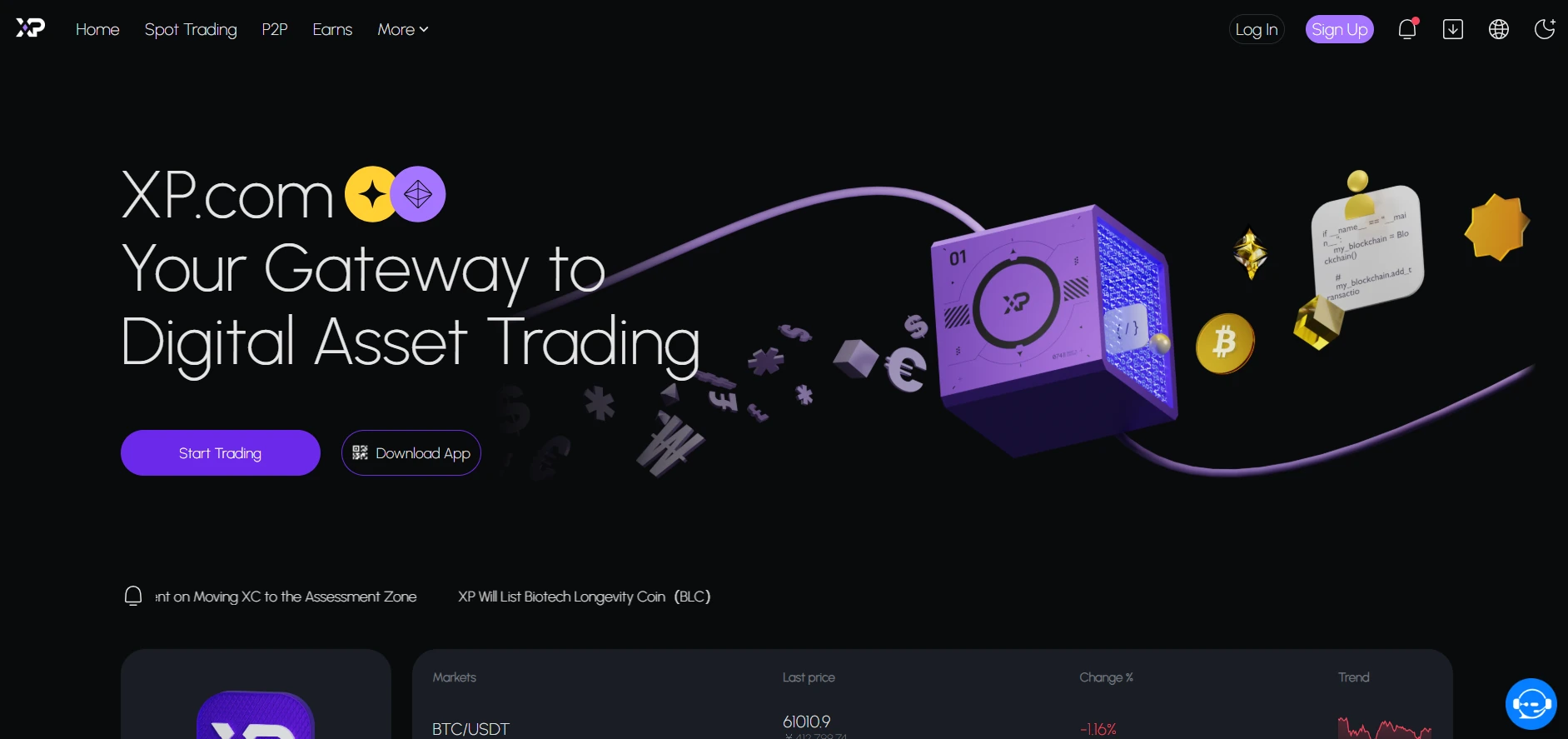
The site positions itself as a digital asset platform offering spot and futures trading, quantitative tools, and trading signals delivered through apps, Discord, and Telegram. Users typically deposit USDT (Tether) and follow signals by performing simple actions in the app. Promoters highlight passive returns and referral opportunities. Yet transparency remains limited—no clear public list of executives or full ownership disclosure appears on the main pages.
1.1 Owners' Profiles and Backgrounds
Public details on the operators behind the Cambodia-linked XP.com are scarce. The platform claims a financial services license (K002-902402238) in Phnom Penh, but verification through official Cambodian sources like the National Bank of Cambodia proves challenging for independent researchers. Source code hints at possible Chinese connections, common in some Southeast Asian operations.
In contrast, the real XP Inc. features a well-documented founder in Guilherme Benchimol. His company grew into a major player in Latin America under oversight from Brazil’s CVM, the SEC, and other regulators. Short-seller reports in 2025 raised questions about some of its structured products, but those pertain only to the Brazilian entity—not the crypto site. Lack of similar verifiable leadership for XP.com raises valid concerns for anyone checking “XP.com trustworthy.”
1.2 Compensation Plan Breakdown
The compensation structure blends potential trading returns with recruitment elements. Users deposit funds and earn from following signals. Additional income comes through referrals, often described as 3 levels deep, plus team bonuses, rank advancements, and leadership rewards. Promotional materials suggest hybrid features:
- Binary aspects: Two legs (left and right) with volume-based commissions on the weaker leg.
- Unilevel elements: Payments across multiple generations with matching bonuses.
- Matrix-like incentives: Position filling and spillover potential.
This setup rewards recruitment and team growth alongside any trading profits. Exact ROI tiers or percentages are not fully detailed publicly on the site. Typical promoter discussions mention daily or weekly returns that sound attractive but require steady new deposits to sustain payouts.
Part : 2 Key Bullet Points on the Plan:
- Deposits primarily in USDT.
- Earnings from app-based signal following (“click-a-button” style).
- Referral commissions on personal and team activity.
- Rank progression unlocks higher bonuses.
- Focus on building downlines for residual income.
Legitimate platforms usually separate product sales from recruitment. Here, the model leans heavily on new participant inflows, which independent analysts compare to patterns seen in other short-lived schemes.
2.1 ROI Claims vs. Real-World Math
Promoters often imply consistent positive returns from trading signals. However, simple math shows challenges. A 1% daily return compounds to thousands of percent annually—far beyond typical market results. Real benchmarks include:
- Bank savings: 0.4–5% APY.
- Real estate: 7–12% average annual (including appreciation).
- Crypto staking on established exchanges: 0–13% APY.
- Broad stock market (S&P 500): ~7–10% long-term average.
High consistent returns without corresponding risk are rare. Sustainable trading requires proven strategies, not manual user clicks. If signals worked perfectly at scale, operators would likely keep them internal rather than share widely. This gap fuels discussions around sustainability in XP.com reviews.
2.2 Security, Support, and User Experience
The platform uses SSL encryption and mentions cold/hot wallet separation. Deposits and withdrawals focus on crypto like USDT, BTC, and ETH. Customer support lists Cambodia-based contacts with claims of quick responses. Yet reports mention delays during withdrawal requests, extra “fees,” or account locks—common pain points in user feedback.
Traffic data shows niche engagement rather than massive organic growth. Social promotion happens mainly in Telegram and Discord groups, sometimes alongside similar platforms. Tools like GridinSoft and ScamAdviser have flagged high-risk indicators due to hidden ownership and business model traits.
2.3 XP.com vs. Established Alternatives
When comparing options, many readers look at “XP.com vs StubHub” or other resale platforms by mistake because of name similarity. For actual ticket needs, regulated marketplaces like StubHub, Vivid Seats, or official exchanges provide clearer buyer/seller protections, faster payouts, and transparent fees. For crypto or investments, licensed platforms such as Coinbase or Binance offer regulatory oversight and verifiable track records.
Responsive Comparison Table:
Aspect | XP.com Style Approach | Regulated Alternatives (e.g., Coinbase, XP Inc. Brazil) |
Ownership Transparency | Limited public details | Full executive and regulatory disclosure |
Returns/ROI | High implied daily/weekly | Market-based, variable, audited |
Compensation | Recruitment + trading signals | Standard trading fees or brokerage commissions |
Regulation | Claimed Cambodia license (hard to verify) | Multiple top-tier regulators |
Withdrawal Experience | Mixed reports of delays | Generally reliable with compliance |
Final Thoughts and Recommendations
This comprehensive XP.com review highlights both the promised features and significant caution points. The compensation plan offers multiple earning layers, but its reliance on recruitment and unverified high returns creates mathematical and practical risks. Owners’ backgrounds for the crypto operation lack the clear documentation seen in established firms.
For anyone exploring “is XP.com safe to sell tickets,” “how does XP.com work for sellers,” or investment opportunities, prioritize verified regulation, independent audits, and personal due diligence. Consider established alternatives with proven histories. Always document interactions and consult licensed professionals before committing funds. Smart choices protect your hard-earned money in any marketplace—whether tickets, crypto, or investments.
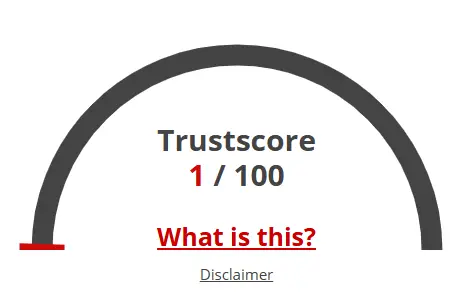
XP.com Review Score
A website’s trust score is an important indicator of its reliability XP.com includes low web traffic, negative user feedback, potential phishing risks, undisclosed ownership, unclear hosting details, and weak SSL encryption.
With such a poor trust score, the likelihood of fraud, data breaches, or other security issues is much higher. It is crucial to carefully assess these warning signs before engaging with a XP.com Similar platform.
Positive Highlights
- We found a valid SSL certificate
- DNSFilter labels this site as safe
Negative Highlights
- The Tranco rank (how much traffic) is rather low.
- The age of this site is (very) young.
Frequently Asked Questions About XP.com Review
This section answers key questions about XP.com clarifies points, addresses concerns, and highlights issues related to the platform’s legitimacy.
Verify its regulation, ownership, and business model before investing.
The company claims to earn returns through its investment activities.
Risks may include losses, transparency issues, and regulatory concerns.
Look at regulation, ownership, compensation plans, and user feedback.
Compare transparency, risk, regulation, and return sustainability.
Other Infromation:
WHOIS Registration Date: 1995-12-20
WHOIS Last Update Date: 2025-09-03
WHOIS Renew Date: 2029-12-19
Website: XP.com

Reviews:
There are no reviews yet. Be the first one to write one.