
Vaduz, Liechtenstein – June 5, 2026

Liechtenstein authorities have raided the offices of TGI AG following a formal cease and desist order from the Financial Market Authority (FMA). The company, led by Austrian national Helmut Kaltenegger, is accused of running an unregistered investment scheme involving gold-related products.
Background on TGI AG
TGI AG operates from Liechtenstein using a .LI domain, despite its founder being based in Austria. The company promotes investment products such as “Customer Basic 2%”, “Sales Premium”, and “Instant Discount”. These offerings are described as deposit-taking activities conducted without proper regulatory approval.
Prior to the Liechtenstein action, TGI AG had already received securities fraud warnings from Austria and faced an investment ban in Germany.
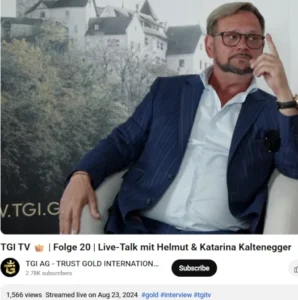
FMA Issues Cease and Desist Order
On May 26, 2026, the Liechtenstein FMA ordered TGI AG to immediately stop distributing and publicly offering its investment products. The regulator found that the company was conducting unauthorized deposit business.
The order also requires TGI AG to stop holding third-party funds accepted through these products within four months. The injunction is immediately enforceable, though not yet legally final.
Police Raid Company Headquarters
On June 2, 2026, the Liechtenstein Public Prosecutor’s Office searched TGI AG’s headquarters in Vaduz. Authorities suspect multiple individuals of serious offences, including:
- Commercial fraud
- Money laundering
- Violations of banking laws
The investigation is ongoing. No arrests have been made so far. When contacted by Handelsblatt, TGI AG declined to comment, citing an internal review.
Traffic and Target Markets
As of April 2026, TGI AG’s main website received around 112,000 monthly visits. The majority of traffic came from Germany (60%) and Austria (38%), highlighting the cross-border nature of its operations.
Questions Over Regulatory Response
Critics have raised concerns about why Liechtenstein is left to handle the case while Austrian authorities appear slow to act against Kaltenegger. This situation echoes the Lyoness case involving Hubert Freidl, where delayed action reportedly allowed the individual to leave the country.
Helmut Kaltenegger remains at large in Austria as the criminal investigation in Liechtenstein continues.