
Pi Wallet Review 2026: A Detailed Look at Features, Risks, and What Users Should Know
In this Pi Wallet review, we take a close look at how people can manage their Pi Network assets safely. Many users want a reliable Pi Network wallet as the mainnet grows. They often ask questions like is Pi Wallet safe and how does Pi Wallet work before trusting any platform with their assets.
At Scams Radar, we believe users should always understand the basics before connecting a wallet, sharing private information, or moving digital assets. This guide covers key details in simple terms, including ownership, the full compensation plan, and important risks.
Table of Contents
Part : 1 What Is the Official Pi Wallet and How Does It Work?
The real Pi Wallet comes straight from the Pi Core Team. You access it only inside the official Pi Browser at wallet.pinet.com. This non-custodial Pi wallet lets users send and receive Pi, check transaction history, and handle basic tasks.
Pi Wallet setup stays simple. Users create a 24-word seed phrase during Pi wallet login. They keep this phrase private for Pi wallet recovery. Never share it anywhere else. The official Pi Browser wallet also supports Pi mainnet wallet features once fully live. It requires no third-party sites or apps.
Official guidance stresses one clear rule: enter your Pi wallet seed phrase only on the verified page. This protects against common issues with fake platforms.
1.1 Owners' Profiles and Backgrounds
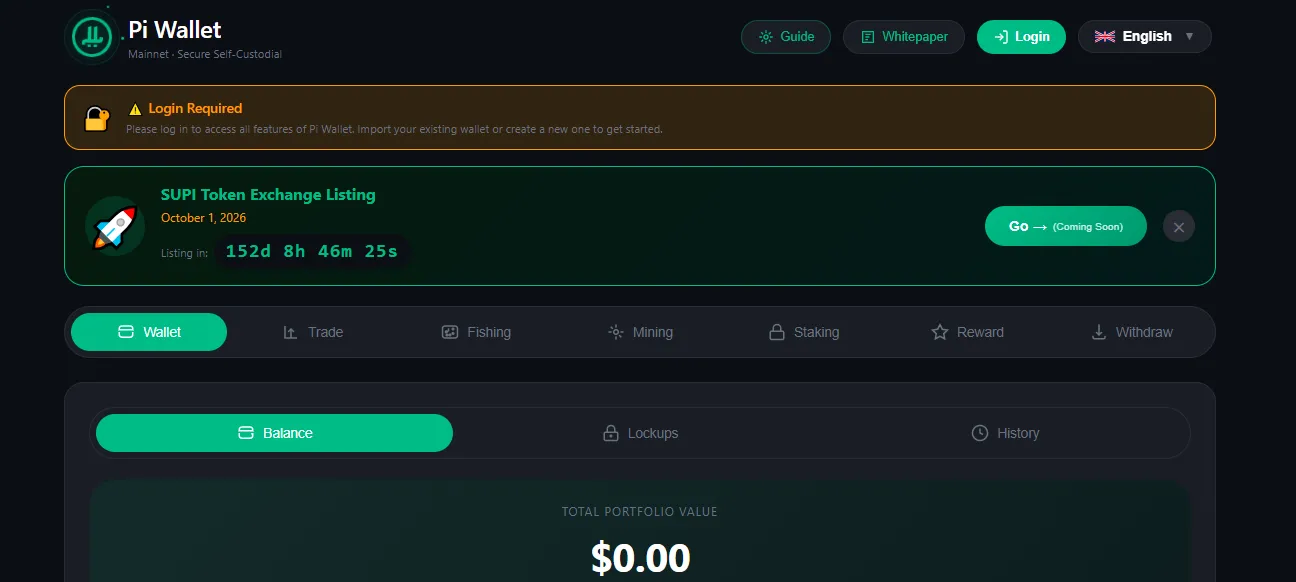
Transparency matters when choosing any Pi wallet. For the platform in question, details stay hidden. The domain registered on April 12, 2026, through a privacy service called Njalla Okta LLC. All WHOIS records show redacted information. This approach appears often with new crypto projects but raises questions about accountability.
The Chrome extension lists TechVision Solutions Pvt. Ltd. from Gurugram, India, as the developer. The contact email ties back to an unrelated service. However, website snippets mention a different team with Korean-style names. These include Kim Changsoo as CEO, Jang Hyuk as lead developer, Woo Jangsim as project planner, and Shim Young-ho as marketing director. No public records, LinkedIn profiles, or corporate filings connect these names strongly to a verified company or to Pi Network.
This mismatch between the Indian developer listing and the claimed team creates confusion. No evidence links any of these individuals to the official Pi Core Team, which lists founders Nicolas Kokkalis and Chengdiao Fan under SocialChain Inc. Users looking for a trustworthy Pi wallet app or desktop version should note the lack of clear backgrounds.
1.2 Complete Compensation Plan and Earning Opportunities
The platform claims to function as a secure Pi mainnet wallet while offering extra ways to earn. Users deposit or transfer Pi, then swap it for an internal token called SUPI at a 1:100 ratio. This step reduces value right away. After the swap, features open up.
Here is how the compensation plan works based on available details:
- Mining rewards: Users see a displayed mining speed, such as 5 Gh/s, with options to upgrade. Rewards appear as daily SUPI earnings. Note that this differs from official Pi mining, which uses a simple button press in the app.
- Staking rewards: Stake SUPI for claimed annual returns up to 30%. The system promises passive income without clear proof of external yield sources.
- Airdrops and bonuses: Additional SUPI comes through airdrops tied to activity.
- Referral program: A 10-level unilevel-style structure pays out. Promoters earn 1 to 10 SUPI per successful referral. Deeper levels offer smaller percentages, such as 10% on level 1 down to lower rates like 0.05% on level 10. This setup targets referral marketers.
Withdrawals allow converting SUPI back to Pi with a 1% fee and a minimum of 100 Pi. Future plans mention listings on exchanges like LBank and OKX, though these remain unconfirmed.
The structure mixes wallet functions with reward elements. It resembles a unilevel MLM more than a plain non-custodial Pi wallet. No public evidence shows it as a binary plan or forced matrix. Payouts depend heavily on new user activity rather than proven external revenue.
To view the levels clearly:
Level | Example Reward Rate | Description |
1 | 10% or 1-10 SUPI | Direct referrals |
2 | 5% | Second-level earnings |
3 | 3% | Third-level earnings |
4 | 2% | Fourth-level earnings |
5-10 | 1% down to 0.05% | Deeper team bonuses |
This table shows the multi-level nature tied to SUPI activity.
Part : 2 ROI Claims: Math Behind the Numbers
Promoters highlight staking returns up to 30% annually plus mining and referral bonuses. Real-world investments rarely match these figures. Banks offer 1-5% APY. Real estate nets 5-12% after costs. Legitimate crypto staking on established chains stays between 3-20% at most.
Consider this example. Suppose 1,000 users each deposit the equivalent of 1,000 Pi. The total pool reaches 1 million Pi. Paying 30% annual rewards would require 300,000 Pi in payouts every year. Without audited trading, lending, or business income, new deposits often cover earlier rewards. This creates classic Ponzi mechanics.
2.1 Pi Wallet Security and Claimed Features
The extension offers a PIN lock, BIP-39 seed support, and self-custodial claims. It mentions no data collection and local storage. A valid SSL certificate exists. Yet the platform encourages wallet connections and Pi transfers.
Pi Wallet security tips from official sources remain vital. Never enter your Pi wallet seed phrase or private key on third-party sites. Use only the verified Pi Browser wallet for Pi wallet login, setup, or recovery. Features like transaction history and send/receive Pi stay safest inside the official tool.
2.2 Public Perception and Traffic Trends
Traffic data shows low visitor numbers and poor rankings. Searches often surface scam alerts rather than positive user reviews. Promotions on social media use encoded text to reach Pi users. Independent checks, including ScamAdviser, give very low trust scores. BehindMLM describes the setup as a SUPI token staking scheme.
2.3 Key Red Flags and Risk Analysis
Several warning signs stand out:
- Very new domain with hidden ownership
- Mismatch between developer and claimed team
- Impersonation of official Pi branding and language
- Unrealistic returns without proven revenue
- Encouragement to swap Pi and connect wallets
- Low Chrome extension users and no verified reviews
- Part of broader Pi Network phishing patterns
Users should compare this Pi wallet versus Trust Wallet or other crypto wallets. The official option wins for safety.
Part : 3 Pi Wallet Pros and Cons
Pros include claimed easy swaps and referral tools for some users. Cons center on risks, lack of transparency, and potential for losses.
3.1 Recommendations and Official Alternatives
Stick to the Pi Browser wallet for all needs. Complete Pi wallet KYC process and mainnet setup only through official channels. For Pi wallet verification or error fixes, use Pi support directly. Avoid third-party extensions or sites that ask for seed phrases.
This platform at https://piwallet.io/ appeared in many discussions. We mention it here once more for clarity. Always verify against minepi.com announcements.
Pi Wallet Review Score
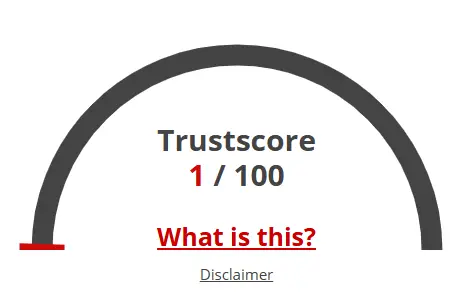
A website’s trust score is an important indicator of its reliability Pi Wallet includes low web traffic, negative user feedback, potential phishing risks, undisclosed ownership, unclear hosting details, and weak SSL encryption.
With such a poor trust score, the likelihood of fraud, data breaches, or other security issues is much higher. It is crucial to carefully assess these warning signs before engaging with a Pi Wallet or similar platform.
Positive Highlights
- We found a valid SSL certificate
- DNSFilter labels this site as safe
Negative Highlights
- The Tranco rank (how much traffic) is rather low.
- The age of this site is (very) young.
Frequently Asked Questions
This section answers key questions about Pi Wallet clarifies points, addresses concerns, and highlights issues related to the platform’s legitimacy.
It explains Pi Wallet’s features, risks, and legitimacy.
It may be risky if ownership is unclear.
Verify only through official Pi Network sources.
Fake branding, unclear owners, and reward claims.
Both help users spot risky platforms.
Other Infromation:
WHOIS Last Update Date: 2026-04-12
WHOIS Renew Date: 2027-04-12

Reviews:
There are no reviews yet. Be the first one to write one.