
Tennessee Bans Crypto ATMs Statewide, Joining Indiana in Fraud Crackdown
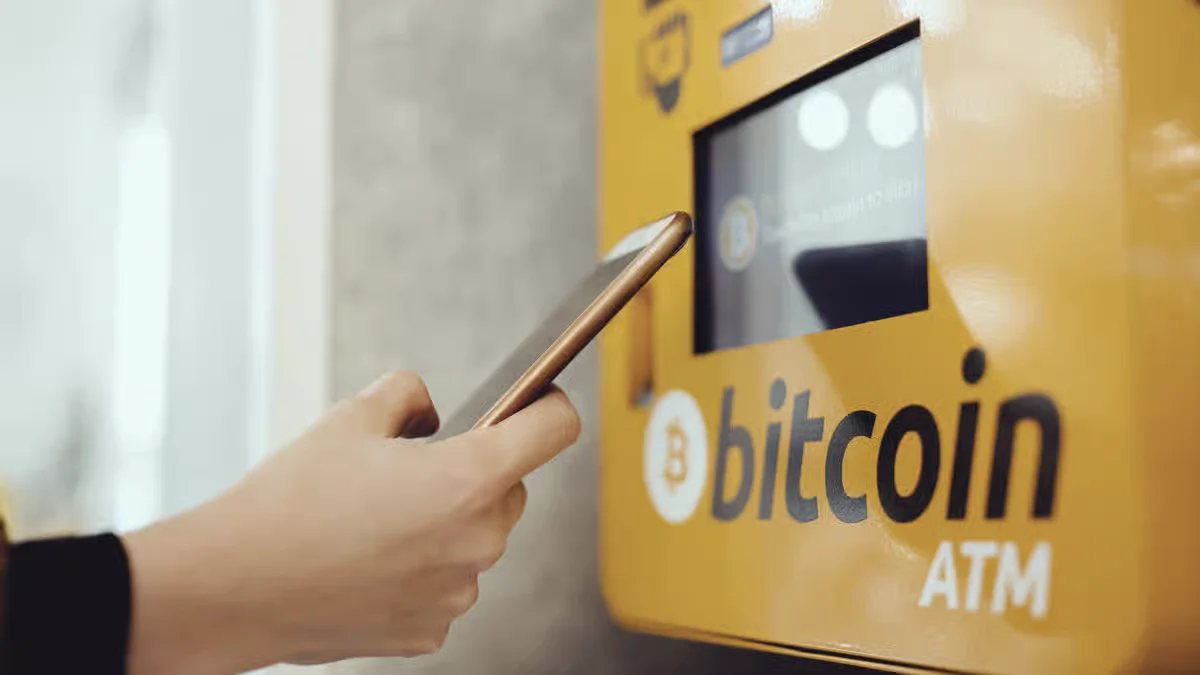
Tennessee has become the second U.S. state to impose a complete ban on cryptocurrency ATMs. Governor Bill Lee signed the bill into law, making it illegal to operate or host crypto kiosks anywhere in the state.
Quick Summary
- Tennessee bans all crypto ATMs effective July 1, 2026.
- The law holds both operators and hosting businesses liable.
- Indiana became the first state to enact a full ban last month.
Key Details of the New Law
House Bill 2505 was passed unanimously by both chambers and officially codified on April 24. It prohibits the installation and operation of “virtual currency kiosks” — commonly known as Bitcoin or crypto ATMs — found in gas stations, convenience stores, and malls.
The ban applies to:
- Crypto ATM operators
- Property owners and businesses that allow the machines on their premises
Violations are classified as a Class A misdemeanor, punishable by up to one year in prison and a fine of up to $2,500.
Why the Ban?
Crypto ATMs are not inherently illegal, but they have been widely exploited by scammers. Fraudsters often pose as police or government officials, tricking victims — especially older Americans — into sending money through these kiosks.
According to FBI data, crypto kiosks were linked to nearly $390 million in reported fraud losses in 2025 alone.
Growing Regulatory Trend
Many states are cracking down on crypto ATM fraud. As of 2026:
- 20 states have passed related laws
- 30 states introduced bills this year
Common measures include:
- Mandatory state licenses for operators
- Daily transaction limits
- Refund requirements for scam victims
Tennessee and Indiana are the only two states to implement outright bans so far.
What This Means
This strict approach aims to protect residents, particularly seniors, from fast-growing crypto-related scams. While it limits legitimate use of crypto ATMs, it sends a strong signal that states are serious about stopping fraud.