US Sanctions Iran-Linked Crypto Wallets as Tether Freezes $344 Million USDT
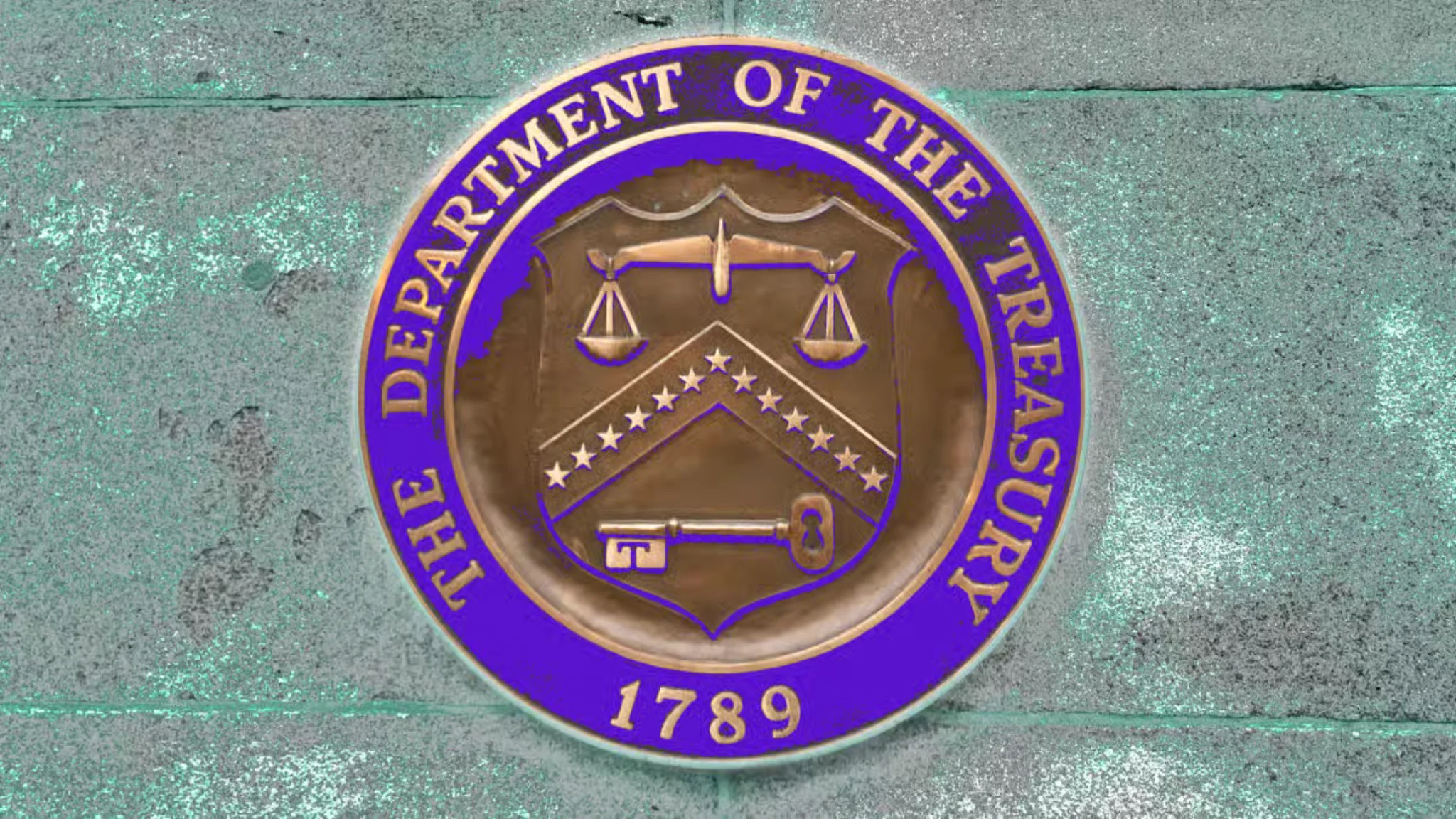
The United States has intensified economic pressure on Iran by sanctioning multiple crypto wallets linked to the country. This action follows Tether’s decision to freeze $344 million worth of USDT tied to Iranian entities.
Quick Summary
- Tether froze $344 million in USDT in coordination with U.S. authorities.
- The wallets are now officially sanctioned by the U.S. Treasury.
- Treasury Secretary Scott Bessent vowed to cut off all financial lifelines supporting the Iranian regime.
Details of the Sanctions
U.S. Treasury Secretary Scott Bessent announced the sanctions on Iran-linked crypto wallets. The move is part of President Donald Trump’s strategy to increase pressure on Iran during the ongoing ceasefire.
Tether took action on Thursday, freezing two major Tron addresses holding $213 million and $131 million in USDT. The company confirmed it acted in coordination with the U.S. Office of Foreign Assets Control (OFAC) and law enforcement.
The wallets, which were active years ago, have now been blacklisted at the smart contract level.
Treasury’s Strong Statement
“We will follow the money that Tehran is desperately attempting to move outside of the country and target all financial lifelines tied to the regime,” said Secretary Bessent.
Iran’s Growing Use of Crypto
Iran has increasingly turned to cryptocurrencies, including Bitcoin, to bypass heavy U.S. and international sanctions. The country is a major Bitcoin mining hub and has accepted Bitcoin for oil tanker transit fees through the Strait of Hormuz.
According to Chainalysis, Iran’s crypto holdings reached $7.8 billion in 2025. Roughly half of these assets are controlled by the Islamic Revolutionary Guard Corps (IRGC), which regularly moves millions of dollars between private wallets.
Why This Matters
This latest sanctions push highlights the U.S. government’s determination to track and block crypto flows used by sanctioned nations. It also shows how stablecoin issuers like Tether are working closely with regulators to enforce compliance.