CNB Warns Against Unregistered Iqonic Operations
On March 31, 2026, the Czech National Bank (CNB) issued a securities fraud notice against Iqonic, stating that the company lacks any authorization from the CNB to offer securities or financial services in Czechia, per. The notice highlights that Iqonic is not registered and is operating without the required permits, violating Czech financial laws, per. This marks another regulatory red flag for the platform.
Iqonic as Reboot of Collapsed Eaconomy Scheme
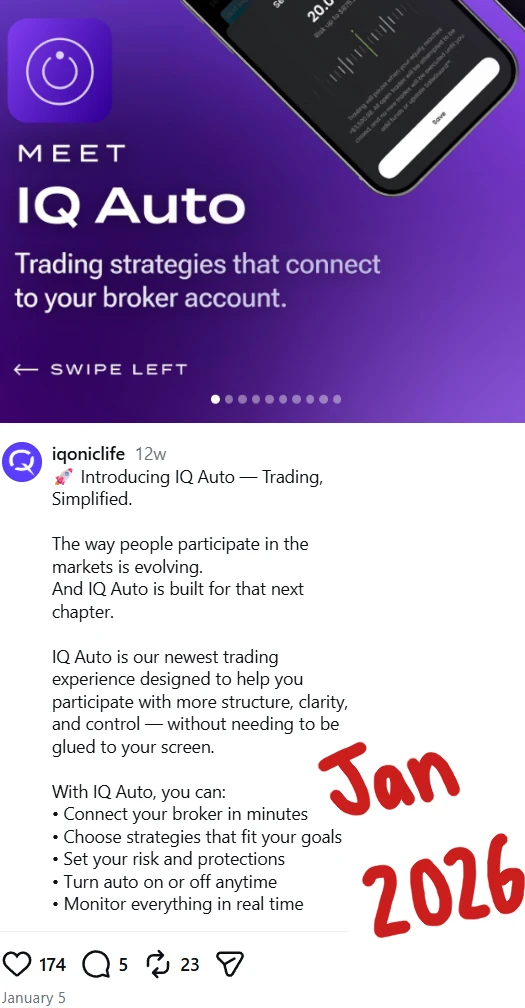
Iqonic is the latest iteration of the Eaconomy MLM trading scheme, which collapsed for the third time in early 2025, per. Owner Hassan Mahmoud relaunched it as Iqonic in March 2025, promoting the “IQ Auto” offering — promising passive returns through automated trading, per. The platform also provides trading training, advice, and signals for various commodities, per. Iqonic operates from the domain iqonic.life, with no current mention of ownership or executive details on its website, per.
Key Figures and Legal Disputes
Iqonic was initially fronted by President Edwin Haynes and VP of Business Development Jarrod Wilkins, alongside Mahmoud, per. Its app developer is MLM Protec LLC, a Delaware shell company owned by Josh Zwagil, per. In November 2025, a lawsuit revealed Mahmoud had partnered with Brian McMullen to launch Iqonic, but McMullen accused Mahmoud of abandoning the project to start Noa and raiding assets, per. The lawsuit remains pending, with a trial date set for September 1, 2026, per. After the split, McMullen fronted the company with Manny Quinones, Sarah Verbeek, Calvin Becerra, and Jay Bonham, per.

Traffic and Global Reach

As of February 2026, Iqonic.life recorded approximately 151,000 monthly visits, with the majority from the US (66%), followed by Japan (15%), Poland (10%), Peru (6%), and Canada (3%), per SimilarWeb. Iqonic is not registered to offer securities in any jurisdiction, including the U.S., where it is not registered with the CFTC as a Commodity Trading Advisor, despite heavy U.S. traffic, per.
Investor Guidance
Investors should treat Iqonic with extreme caution due to its history as a reboot of collapsed schemes and multiple regulatory warnings. Always verify registration with local authorities (e.g., CNB in Czechia, SEC/CFTC in the U.S.). Bitcoin (BTC) and broader crypto markets remain unaffected, but such scams erode overall trust. Diversify into regulated assets and avoid promises of passive automated returns. Stay updated via official regulator websites.