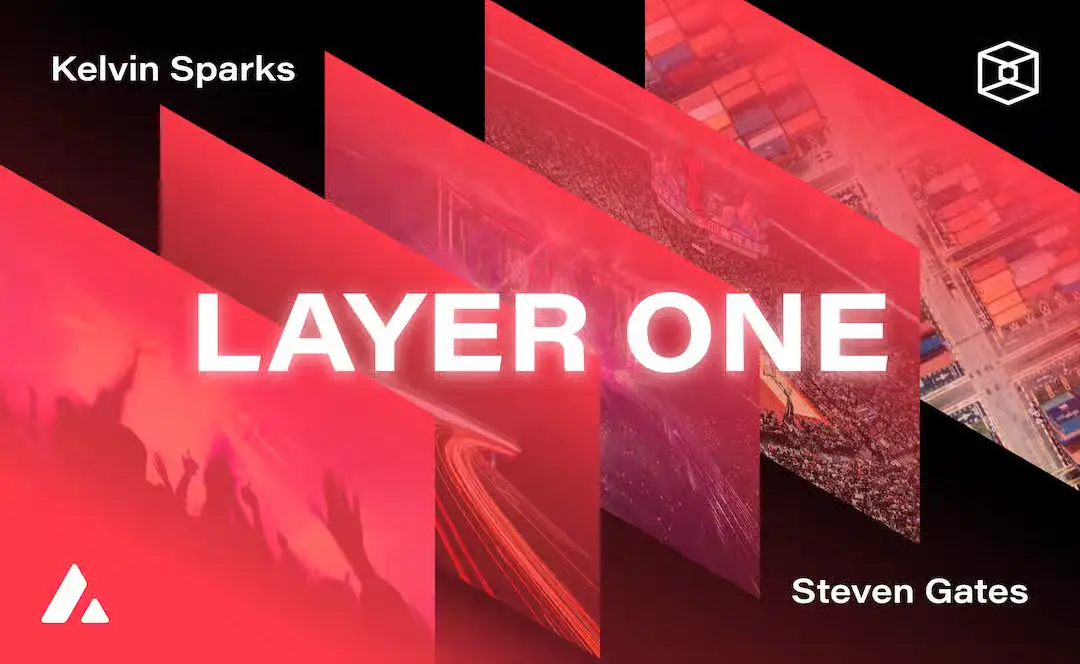
Securitize and the NYSE have formed a landmark collaboration to bring public equities onchain, marking a major milestone for tokenized assets in regulated finance. Carlos Domingo, CEO of Securitize, highlighted in The Block’s Layer One podcast how this partnership leverages regulatory clarity to integrate blockchain with traditional markets. By tokenizing NYSE-listed stocks, the initiative aims to unlock liquidity, reduce settlement times, and create new opportunities for institutional investors while maintaining full compliance with U.S. securities laws. This move positions tokenized equities as a bridge between legacy finance and decentralized infrastructure, accelerating mainstream adoption of real-world assets (RWA).
The partnership utilizes Avalanche as the underlying blockchain due to its high throughput, low fees, and enterprise-grade security features. Securitize’s platform handles token issuance and custody, while Avalanche’s subnet architecture enables fast, secure transactions with near-instant finality. This setup moves settlement from the traditional T+2 cycle to onchain efficiency, significantly lowering counterparty risk and operational costs. Domingo emphasized that starting with public equities—the most liquid asset class—allows the industry to test scalable infrastructure before expanding to private equity, real estate, and other assets. The integration also supports seamless interoperability with existing DeFi tools and institutional workflows.
A key factor enabling this partnership is the evolving regulatory environment. Securitize’s compliance-first approach includes built-in KYC/AML checks, investor accreditation, and transparent onchain records, ensuring tokenized equities meet stringent U.S. standards. The collaboration with the NYSE adds market credibility and oversight, addressing previous barriers to institutional participation. Domingo noted that clearer guidelines from the SEC and CFTC have been instrumental, allowing tokenized assets to operate within regulated frameworks rather than as fringe experiments. This structure reduces legal uncertainty and builds trust among large investors who require enterprise-level security and auditability.
The Securitize-NYSE partnership signals a broader shift toward integrating blockchain into traditional finance. By focusing on public equities first, the project sets a precedent for efficient, compliant tokenization that could unlock trillions in liquidity over the coming decade. Early movers stand to benefit from faster capital access, fractional ownership, and 24/7 trading. As more companies explore onchain equities, the model is likely to extend to other asset classes, further blurring the lines between TradFi and DeFi. Domingo’s vision underscores that blockchain enhances rather than replaces existing markets, paving the way for wider institutional adoption and innovation in RWA tokenization.