
NodesOn Review 2026: Honest Breakdown of the Platform, Compensation, and Ownership
NodesOn Review – many people search for clear answers before they invest time or money in new blockchain projects. This in-depth look pulls together key facts about the NodesOn platform. We focus on what matters most: the owners’ backgrounds, the full compensation plan, Scams Radar, stakeholder options, and real risks. Everything here comes from public records and available details as of April 2026. We keep it simple so anyone can follow along.
The platform markets itself as a way to join blockchain networks through node hosting and validator participation. Users hear about passive income, shared infrastructure pools, and tiered access. Yet questions remain about transparency and long-term stability. Let’s walk through the details step by step.

Table of Contents
Part 1: What the NodesOn Platform Offers
NodesOn positions itself as a blockchain infrastructure service. It lets people take part in decentralized networks without running their own hardware. Key features include node leasing, validator access, and pooled investments.
Users can choose different levels of participation. Entry options start small. Higher tiers promise more diversification and enterprise-style access. The site talks about “structured participation” and “money on autopilot.” Promotion appears on new YouTube and Instagram channels with titles like “Participation Model Explained” and “Full Business and Incentive Model.”
The domain nodeson.us was registered on February 18, 2026. It uses basic SSL security and shows low traffic so far. Contact details point to a free email service. These facts alone do not prove anything wrong, but they do raise questions for careful investors.
1.1 Owners’ Profiles and Backgrounds
Transparency about who runs a platform builds trust. For NodesOn, public information stays limited.
Third-party domain records list a name, Michael Anderson, and an organization called Nodes On. One scan mentions a possible link to NodesOn LLC through a Virginia property record. However, no official company filings, team page, or verified bios appear on the site.
No corporate registration, audited financials, or regulator approvals show up in standard checks. There is no clear office location or independent news coverage. A free Yahoo email appears in contact records. These details match what many new projects show early on, yet they leave gaps.
Legitimate node hosting companies usually list named leaders with past experience in blockchain or finance. Here, that level of background remains unconfirmed. Investors should note this when weighing any opportunity.
1.2 The Complete Compensation Plan Explained
The compensation plan sits at the heart of any NodesOn review. The platform uses a tiered structure tied to capital allocation.
One clear example from public posts shows Tier 2 – Advanced Validator Allocation. A $1,000 commitment targets up to a 2 percent return. The period (daily, weekly, or monthly) is not spelled out in every post, so users must check current terms carefully.
Lower tiers offer entry-level validator access. Higher tiers add multi-network options and enterprise features. Rewards appear linked to the DeNet ecosystem. Income may come from token shares, storage payments, or validator efficiency.
The plan includes network-dependent performance. Returns rely on token dynamics, participation flow, and internal pricing. No full official compensation document, binary plan, unilevel plan, or matrix plan has been published publicly. Referral-style promotion shows up in some marketing, but the exact commission rates stay unclear.
Here is a simple table of what the tiered model looks like based on available examples:
Tier Level | Capital Example | Target Return Range | Key Features |
Tier 1 – Entry | Lower amounts | Basic participation | Validator access |
Tier 2 – Advanced | $1,000 | Up to 2% | Multi-network, higher efficiency |
Higher Tiers | Larger amounts | Diversified access | Enterprise infrastructure |
This setup aims for passive income through blockchain infrastructure. Still, the exact source of payouts – real revenue, new user funds, or token issuance – needs clearer proof for long-term comfort.
Part 2: Nodes on Staking, Rewards, and How It Works
Nodes on staking centers on validator nodes and shared pools. Users allocate funds and earn rewards without managing servers themselves. The platform claims support for multiple blockchains, though specific chains are not fully listed in every public post.
Rewards depend on network performance, uptime, and protocol rules. Some mentions include slashing protection and uptime guarantees, but details remain light. Withdrawals tie to changing ratios and system mechanics.
A crypto rewards calculator is not yet public. Minimum stake amounts and lock-up periods also need direct confirmation on the dashboard. For beginners, a step-by-step guide would help explain sign-up, dashboard use, and withdrawal steps.
2.1 Visual Breakdown: ROI Math and Growth Comparison
Numbers tell an important story. Let’s look at two clear charts that show how different returns compare in real terms.
First, consider growth over time. A 1 percent daily return sounds attractive, but it grows extremely fast. Realistic options, such as long-term stock market averages around 10 percent per year, grow much more steadily.
Bank savings sit near 5 percent. Stocks average 10 percent. Real estate and standard crypto staking fall in the same range. A 2 percent monthly return on NodesOn would equal roughly 24 percent annually – higher than most mainstream options but possible in select high-yield crypto cases if everything works as planned.
2.2 Key Risk Factors to Weigh
Every NodesOn review should mention what stands out as less clear. The platform is very new. Traffic data shows limited organic reach. Promotion focuses heavily on passive income rather than detailed operations.
Payments appear crypto-only. Customer support channels are not fully documented in public records. No independent audits or third-party reviews appear yet. The model depends on ongoing participation and token mechanics, which can create pressure if growth slows.
These points do not automatically mean the project will fail. They do mean extra caution is wise. Compare it with established services such as Allnodes for more mature options.
Part 3: Simple Comparison Table: NodesOn vs Realistic Alternatives
Investment Type | Typical Annual ROI | Transparency Level | Risk Level |
Bank Savings | 5–7% | Very high | Very low |
S&P 500 Stocks | ~10% | High | Medium |
Real Estate | 8–12% | High | Low-Medium |
Crypto Staking (major coins) | 3–15% | Medium | Medium |
NodesOn (estimated if 2% monthly) | ~24% | Currently low | Higher |
This table uses public benchmarks. Actual NodesOn results will depend on network performance and future updates.
Final Thoughts on NodesOn Review
This NodesOn review brings together ownership details, the compensation plan, staking mechanics, and clear math examples. The platform offers an interesting way to join blockchain infrastructure with potential passive rewards. At the same time, limited public records on owners and exact payout sources mean extra research is smart.
Use free tools to check domain age, traffic, and reputation. Read the latest terms before you commit any funds. Speak with a financial advisor if needed. The goal is informed decisions that match your own comfort with risk.
NodesOn Review Score
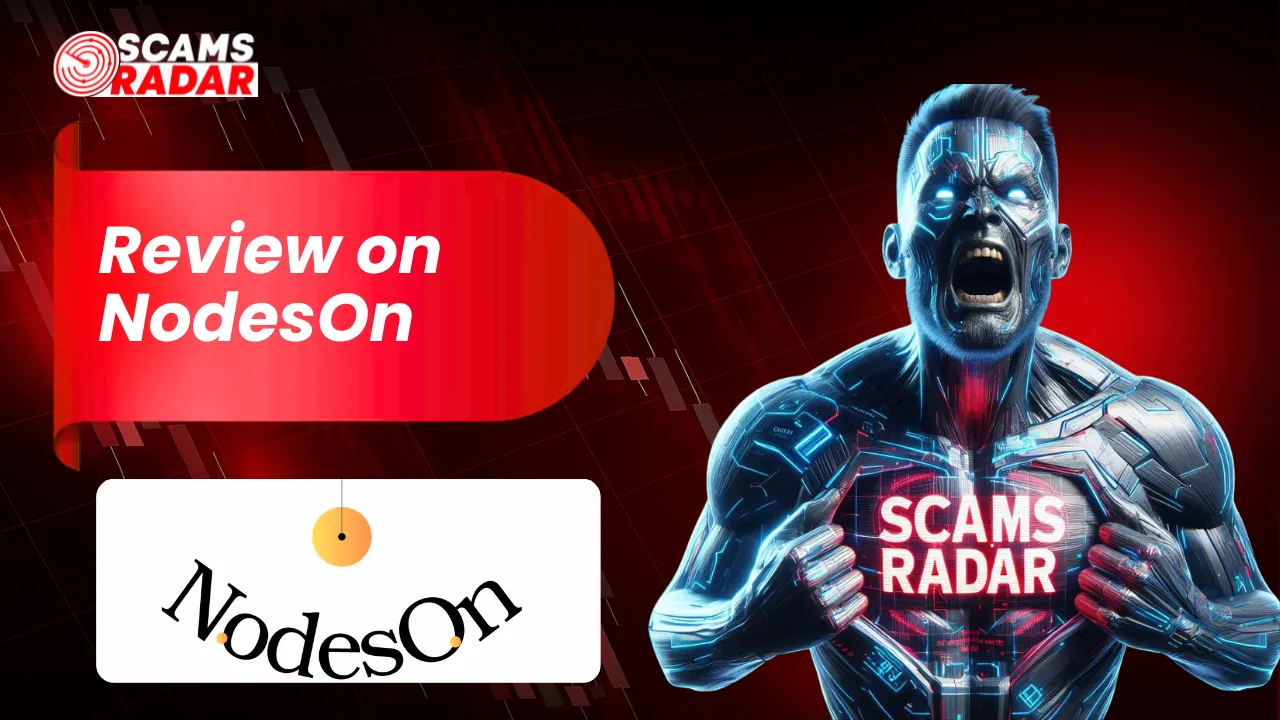
A website’s trust score is an important indicator of its reliability. NodesOn includes low web traffic, negative user feedback, potential phishing risks, undisclosed ownership, unclear hosting details, and weak SSL encryption.
With such a poor trust score, the likelihood of fraud, data breaches, or other security issues is much higher. It is crucial to carefully assess these warning signs before engaging with a NodesOn or similar platform.
Positive Highlights
- We found a valid SSL certificate
- DNSFilter labels this site as safe
Negative Highlights
- The Tranco rank (how much traffic) is rather low.
- The age of this site is (very) young.
Frequently Asked Questions NodesOn Review
This section answers key questions about NodesOn clarifies points, addresses concerns, and highlights issues related to the platform’s legitimacy.
Public records show no proven fraud, yet transparency gaps exist. Always verify the latest details yourself.
Sign up, choose a tier, allocate funds, and follow dashboard instructions. Confirm current steps directly on the platform.
Claims say yes, but test with small amounts. Crypto payments are final.
Some posts mention protection, but full policy details need confirmation.
Multi-network language appears, but a complete list is best checked on the official dashboard.
Other Infromation:
WHOIS Last Update Date: N/A
Reviews:
There are no reviews yet. Be the first one to write one.