
The Ethereum Foundation (EF) released a 38-page Mandate earlier in March 2026, outlining its commitment to CROPS (Censorship-resistance, Open source, Privacy, and Security). While the document itself received broad support for reaffirming cypherpunk values, controversy erupted over reports of a loyalty pledge requiring EF employees to affirm the mandate or face “forced severance,” per The Block.
Vitalik Buterin publicly affirmed the mandate on X, stating he would focus on “mission-critical tasks” until his last day at the EF. However, several developers and former EF members expressed discomfort. Hudson Jameson, a longtime Ethereum communicator, noted that while the mandate’s content is positive, forcing employees to sign creates unnecessary tension. Bob Summerwill (EarlyDaysOfEth.org) called loyalty pledges “really unhealthy,” arguing they have caused more upset than the mandate itself.
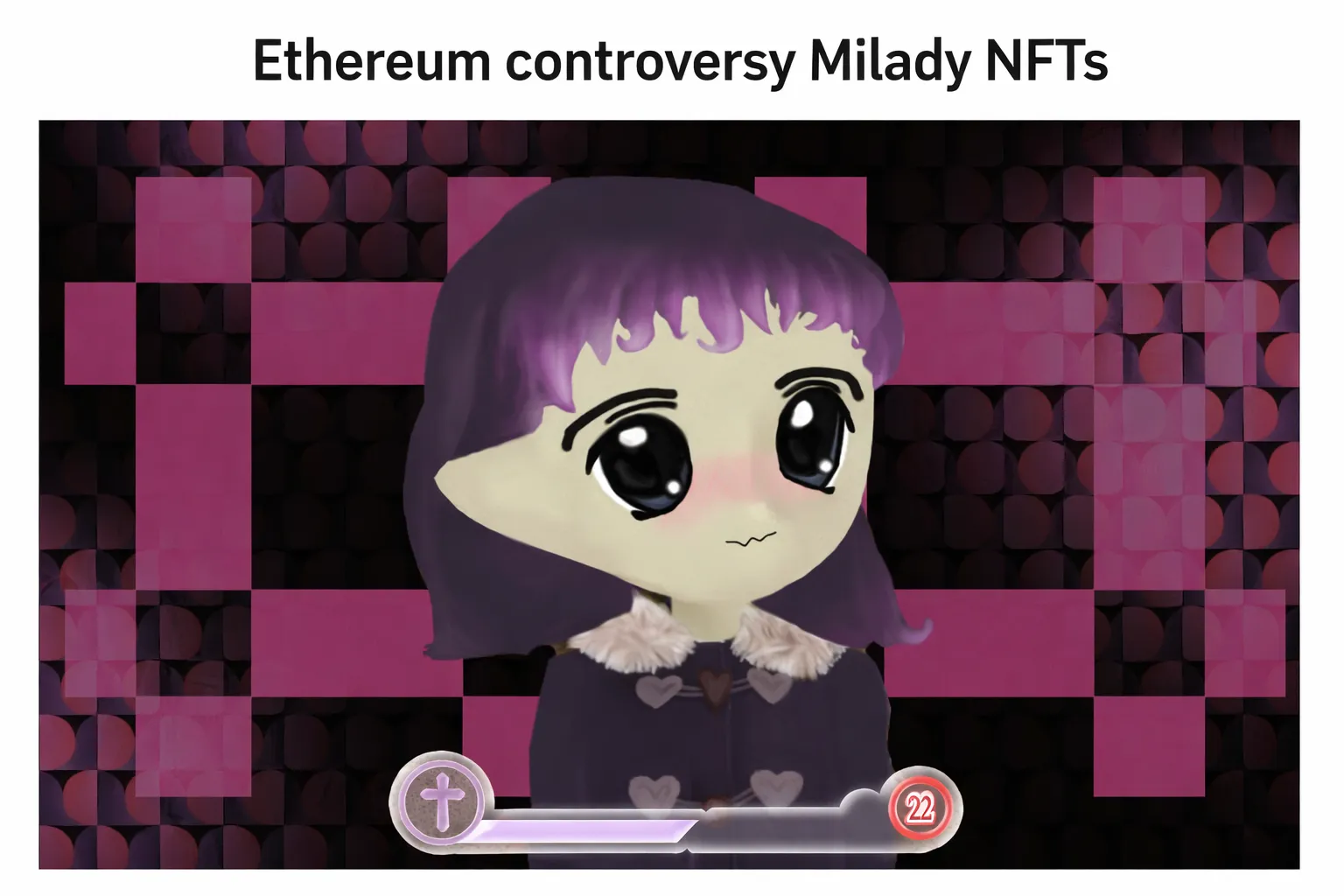
The debate quickly shifted to the mandate’s graphic design, which many interpreted as inspired by the Milady NFT series — “neochibi” anime-style images associated with internet-native, anti-woke, and accelerationist subcultures. Buterin began using a Milady profile picture earlier in 2026, which some viewed as support for free speech and cypherpunk principles, while others criticized the aesthetic as toxic or off-putting for mainstream adoption.
Mark Tyneway (Optimism co-founder) said the real issue is not opposition to CROPS but the EF’s top-down approach: “The conflict is framed as ‘being true to OG crypto ideals’ vs ‘selling out to corporate tradfi’.” Paul Dylan-Ennis, an Ethereum historian, described the situation as an “unnecessary cultural schism,” noting that EF employees and core developers are already largely aligned on CROPS values.
Critics like Lightclients (Geth core developer) argued that Milady culture is largely “inward-facing” and self-referential, with limited broader influence. Others, including Scoopy Trooples (Alchemix), emphasized Ethereum’s anarcho-voluntarist spirit: no one should be compelled to adopt specific memes or aesthetics.
The EF has faced ongoing criticism for its branding and communication style. After years of “rainbows and unicorns” imagery, the organization has shifted toward a more competitive, growth-oriented stance — including major upgrades like Pectra and Fusaka, increased support for app developers, and the launch of Etherealize to engage Wall Street.
Buterin has taken a more active leadership role, and the mandate appears to be an attempt to clearly articulate Ethereum’s direction. However, the combination of a perceived loyalty pledge and Milady-inspired aesthetics has amplified divisions, turning what could have been a unifying document into a flashpoint for cultural and philosophical disagreements within the community.
While the mandate reaffirms core cypherpunk principles that most in the ecosystem already support, the execution — particularly the reported loyalty pledge and visual choices — has created friction. The debate highlights Ethereum’s cultural pluralism: a strength in its diversity of thought, but also a source of tension when top-down directives feel imposed.
For the wider crypto market, this internal discussion is unlikely to have immediate price impact on ETH, but it underscores ongoing questions about the Ethereum Foundation’s role, communication strategy, and relationship with the broader community as the network matures.