
CoreDeFi Review 2026: A Straightforward Look at Ownership, Compensation, and Real Risks
In this CoreDeFi review, we break down the platform’s setup for regular investors seeking Bitcoin DeFi and Ethereum DeFi opportunities. Many people hear about high daily returns and wonder if the CoreDeFi platform delivers safe, steady growth or carries hidden problems. We focus here on the owners’ backgrounds, the complete seven-part compensation plan, and why the numbers simply do not add up in everyday terms. All details come from public records and clear checks available as of March 2026. For more detailed scam investigations and similar exposure reports, visit Scams Radar for updated insights on high-risk crypto platforms.
Table of Contents
Part 1: Ownership and Backgrounds: What We Actually Know
The people behind the platform stay completely hidden. The domain was created in April 2025 through a standard registrar, with full privacy protection in place. No founder names, no photos, no office address, and no company registration details appear anywhere. The site only mentions a “global team of blockchain specialists” without listing a single real person or background.
This complete lack of openness stands out because trusted investment sites usually share clear leadership information. Some independent promoters do talk about the platform online. Names such as Rahul Awasthi (linked to wellness and network marketing groups), Anil Tiwari (active in similar opportunity circles), Yuvraj Singh Lodhi, and a few others surface in posts. These individuals often share referral codes and have histories promoting other programs like LiveGood or similar setups. They are recruiters, not the actual owners. No court records or official complaints tie directly to named leaders, but the total anonymity makes it hard for anyone to hold the operation accountable if issues arise.
1.1 The Complete Compensation Plan: Seven Ways to Earn
The platform offers seven income streams that tie together daily growth and team-building rewards. Here is each one explained in plain words so anyone can follow:
- F50 Program: Pays 0.50% to 2.50% every day, with the exact percentage depending on your rank level. Higher ranks unlock the bigger daily slice.
- Magic Income: Adds up to 10% extra based on overall activity and rank.
- Magic Booster: Layers on another 30% bonus for qualifying users.
- Offer Income: Gives up to $100 for each person you directly bring in, plus 5% weekly on certain activities.
- Reward Income: Scales from $5 all the way to $256,000 across 20 team levels, with a separate lifetime pool that can reach $1,023,115.
- Rank Income: Provides 2.5% to 17.5%, tied to how many direct team members you build.
- Magic Sponsor Income: Allows unlimited earnings from an infinite-depth structure, meaning rewards can continue through many layers of recruits.
To put it simply, the daily percentage sits on top, but the biggest payouts come from growing a team and hitting ranks. The site openly notes that early joiners build larger groups and earn more points. This mix of passive daily returns plus heavy team rewards is what many experienced reviewers flag as recruitment-focused rather than pure investment growth.
1.2 CoreDeFi Yields and Returns: The Numbers That Matter
The platform highlights daily earnings that sound attractive at first. Even at the lower end of 0.50% per day, a modest $1,000 deposit would need to generate real profits every single day to stay sustainable. At the top claim of 2.50% daily, the math grows extremely fast.
To show this clearly, the line chart below tracks what $1,000 would become over 365 days at the claimed rates versus realistic options most people see in regular staking or savings.
Part 2: How This Compares with Everyday Options
Every day, investors often check familiar choices first. Bank savings accounts sit around 0.39% to 4% yearly. Real estate averages 8–12% cash flow in most markets. Legitimate Ethereum staking on trusted networks delivers 3–7% annually, while Bitcoin-related options on audited platforms rarely top 10–15% even in strong years. The CoreDeFi platform’s structure promises far more, paid daily, which simply does not match any verified DeFi yield farming or staking source.
2.1 Other Important Details and Red Flags
The platform accepts deposits only through personal wallets like MetaMask or TrustWallet into a listed smart contract address. No bank cards or regular money options exist. Support runs through a loose “CORE Ninjas” group rather than a formal help desk. Security uses basic encryption but shows no third-party audit reports or insurance coverage. The site itself warns users about copycat pages, which are common in fast-moving opportunities.
Traffic stays low, with most activity coming from social posts on Instagram, YouTube shorts, and Facebook groups that include referral links. The same promoters often share other similar programs in the same threads. Independent checkers, including scam-review databases, consistently note young domain age, hidden ownership, and recruitment-heavy language.
2.2 What Usually Happens Next
Programs built this way often see strong early growth while new deposits keep arriving. After a few months, when fresh money slows, withdrawal requests can face delays or limits. Many similar setups have rebranded or gone quiet within 6–12 months. Early team builders sometimes receive small amounts, but later participants risk losing their starting deposit.
Practical Advice for Anyone Considering It
Start small only if you fully understand the risks, but most experienced investors recommend sticking to well-known, regulated choices such as Coinbase staking or audited protocols like Lido for Ethereum DeFi. Document every transaction hash if you test the waters, and request withdrawals early. Report any problems to local cybercrime units or financial watchdogs. The safest path remains platforms that show named leaders, clear audits, and returns that match real market numbers.
CoreDeFi Review Score
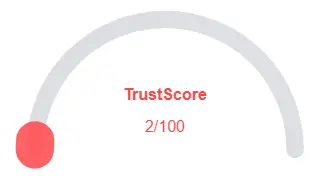
A website’s trust score is an important indicator of its reliability. CoreDeFi includes low web traffic, negative user feedback, potential phishing risks, undisclosed ownership, unclear hosting details, and weak SSL encryption.
With such a poor trust score, the likelihood of fraud, data breaches, or other security issues is much higher. It is crucial to carefully assess these warning signs before engaging with a CoreDeFi or similar platform.
Positive Highlights
- We found a valid SSL certificate
- DNSFilter labels this site as safe
Negative Highlights
- The Tranco rank (how much traffic) is rather low.
- The age of this site is (very) young.
Frequently Asked Questions CoreDeFi Review
This section answers key questions about CoreDeFi, clarifies points, addresses concerns, and highlights issues related to the platform’s legitimacy.
The lack of named owners and extreme daily rates make it hard to view as a standard investment. Most checks point to recruitment as the main driver rather than proven yields.
Public tools highlight the young domain, hidden details, and MLM-style rewards as common warning signs in high-risk crypto opportunities.
Daily percentages sound simple, but they depend on team growth and fresh deposits more than actual asset performance, which differs from regular staking.
The minimum is $5, but the structure carries high risk because payouts rely heavily on new users joining steadily.
CoreDeFi claims to be a DeFi platform where users deposit crypto and earn through staking, farming, and referral rewards.
Other Infromation:
WHOIS Last Update Date: 2026-02-22

Reviews:
There are no reviews yet. Be the first one to write one.