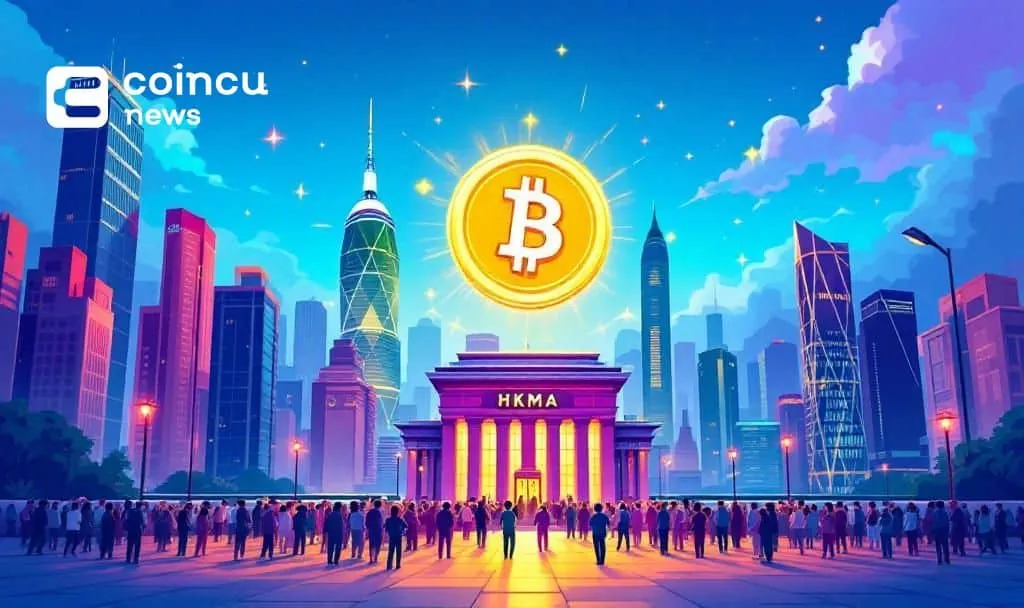
On August 1, 2025, the Hong Kong Stablecoin Ordinance took effect, paving the way for the Hong Kong Monetary Authority (HKMA) to process stablecoin license applications, per Coincu. HKMA Chief Executive Eddie Yue revealed 36 institutions have applied, with decisions expected by March 2026. The ordinance mandates registration, capital requirements, reserve asset transparency, and risk management, aligning with global standards like the EU’s MiCA and U.S. GENIUS Act, per. This “proactive yet prudent” approach, as stated by Financial Secretary Paul Chan, aims to foster innovation while protecting consumers.
The HKMA is conducting in-depth assessments, focusing on risk management, reserve assets, and application scenarios, per. Initial licenses may be limited due to strict criteria, with Eddie Yue emphasizing prudent oversight, per. Applicants include major players exploring yuan-backed and USD-pegged stablecoins, per. Hong Kong’s framework requires 1:1 backing with high-quality assets and regular audits, contrasting with China’s mainland restrictions, per. X posts from @HKMA_Official highlight the ordinance’s role in positioning Hong Kong as a digital asset hub.
The ordinance could attract $50B in stablecoin inflows by 2027, enhancing Hong Kong’s fintech appeal, per Standard Chartered estimates. USDC and USDT dominate with $40B and $120B market caps, but yuan-backed options may challenge USD hegemony, per. Ethereum (ETH), at $2,254.75 with a $272B market cap, could benefit from stablecoin growth on Layer 2s, per CoinMarketCap. However, regulatory delays or strict enforcement risk stifling innovation, per. Solana’s $8.6B DeFi TVL shows competition.
Hong Kong’s licenses could set a global benchmark, with March 2026 approvals potentially driving stablecoin adoption, per. Investors should track HKMA announcements on hkma.gov.hk and stablecoin flows via CryptoQuant. ETH support at $2,200 is key, with potential $3,000 recovery on positive news, per TradingView. Dollar-cost average into ETH or SOL ($184.50), with stop-losses below $2,100 and $170, or hold USDC for stability, per Techopedia. Follow @TheBlock__ on X for updates. Hong Kong’s balanced approach may boost Asia-Pacific crypto, but geopolitical risks warrant caution in 2026.